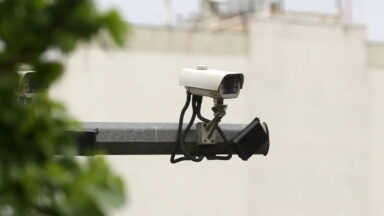
From Iran to Ukraine, everyone’s trying to hack security cameras
In the modern landscape of warfare, traditional methods of surveillance such as satellites and drones are being joined by a new player: consumer-grade security cameras. These devices, often found outside homes and along urban streets, are increasingly targeted by military forces seeking to enhance their reconnaissance capabilities. Recent research from Tel Aviv's Check Point reveals a surge in hacking attempts aimed at security cameras in the Middle East. These efforts appear to coincide with Iran's missile and drone strikes on various targets, including Israel, Qatar, and Cyprus. The findings indicate that Iranian military forces may be leveraging civilian cameras to identify targets, plan attacks, and assess damage during their retaliatory actions following U.S. and Israeli military operations that have escalated tensions in the region. Iran is not alone in utilizing this tactic. Reports indicate that the Israeli military has successfully accessed a vast network of traffic cameras in Tehran, collaborating with the CIA to facilitate strikes, including one that resulted in the death of Iran's Supreme Leader, Ayatollah Ali Khamenei. Meanwhile, in Ukraine, officials have been sounding the alarm about Russia's use of hacked consumer surveillance cameras to direct attacks and monitor troop movements. Conversely, Ukrainian hackers have turned the tables by hijacking Russian cameras to keep tabs on enemy forces and potentially oversee their own military actions. The trend of exploiting unsecured networked cameras is swiftly becoming a standard practice among armed forces worldwide, providing a cost-effective method of surveillance that offers direct visibility into hostile territories without the need for costly military assets like satellites. Sergey Shykevich, who heads threat intelligence research at Check Point, notes, "Hacking cameras has now become part of the military playbook, allowing for better resolution surveillance without the expense of traditional military tools."
Siri Gets Personal: New iOS 27 Beta Allows Voice Customization
Apple has rolled out an exciting feature in the latest iOS 27 developer beta, allowing users to tailor Siri's speaking s...
TechCrunch | Jul 06, 2026, 19:20
Apple Revives Card Payments in India, Enhancing Digital Transactions After Four-Year Break
In a significant move, Apple has reinstated card payment options for Apple Account purchases in India, marking a pivotal...
TechCrunch | Jul 06, 2026, 16:40
Vercel's Vision: Navigating AI's Future with Intelligent Agents
Vercel, a key player in cloud infrastructure, has positioned itself at the forefront of AI software development. With an...
TechCrunch | Jul 06, 2026, 20:10
Klarna Aims for U.S. Banking License in Ambitious Expansion
Klarna, the Swedish fintech company renowned for its buy now, pay later services, has taken a significant step towards e...
CNBC | Jul 06, 2026, 14:55
Alibaba Prohibits Use of Anthropic AI Amid Security Concerns
Alibaba, the prominent Chinese e-commerce company, has announced a ban on the use of Anthropic's AI tools by its employe...
CNBC | Jul 06, 2026, 20:55