
How iRobot lost its way home
iRobot, the pioneer behind the robotic vacuum cleaner revolution, has officially filed for Chapter 11 bankruptcy, marking a significant turning point in the company’s 35-year history. Founded in 1990 by MIT's Rodney Brooks along with his students Colin Angle and Helen Greiner, iRobot initially thrived on the promise of innovative robotics technology that could navigate homes with ease. The company made waves with the launch of the Roomba in 2002, a device that not only became hugely popular but also turned into a cultural phenomenon—so much so that 'Roomba' became a verb in everyday language. Over the years, iRobot sold over 50 million robots and attracted substantial investment, raising $38 million before going public in 2005 with an IPO that brought in $103.2 million. By 2015, with its finances in good shape, iRobot ventured into investment, establishing a fund to support budding robotics startups, a move that showcased its success and ambition. However, as competition intensified, particularly from cheaper alternatives flooding the market, the company began to struggle. Earnings began to decline in 2021, and by 2022, iRobot appeared to have found a potential lifeline when Amazon proposed a $1.7 billion acquisition. This acquisition was seen as a major turning point, but European regulators raised concerns about potential market monopolization, which prompted both companies to abandon the deal in January 2024. This misstep led to the resignation of CEO Colin Angle, a dramatic drop in stock prices, and significant layoffs, with 31% of the workforce being let go. Despite receiving a $200 million financial boost from The Carlyle Group in 2023, the company's fate seemed sealed as challenges continued to mount. Now, following its bankruptcy filing, Shenzhen PICEA Robotics, iRobot's primary supplier, is set to take control of the reorganized company. iRobot has assured customers that it will continue to operate normally, maintaining its app functionality and fulfilling commitments to employees and creditors. However, the future remains uncertain; while existing Roomba models will still function manually, the advanced features that make them innovative, such as app-based controls and voice commands, could be at risk if the company fails to stabilize during its restructuring.
Volkswagen Engineers Indicted for Insider Trading Linked to Rivian Partnership
In a significant legal development, the U.S. Department of Justice has brought securities fraud charges against two engi...
TechCrunch | Jul 24, 2026, 20:30
Vision Breakthrough: US Startup Launches Groundbreaking Retina Chip in Europe
Science Corp is poised to introduce a revolutionary retina chip in Europe, designed to restore partial vision for indivi...
Business Today | Jul 25, 2026, 01:00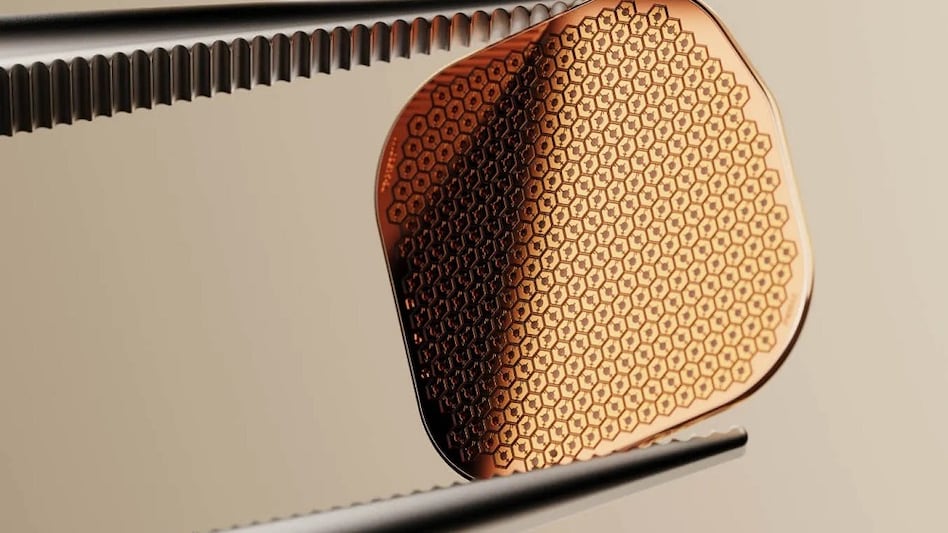
Waymo to Launch Standalone App, Ending Exclusivity with Uber in Major Cities
For the past three years, Uber and Waymo, the autonomous vehicle division of Alphabet, have collaborated to provide driv...
CNBC | Jul 24, 2026, 21:55
Nvidia Strikes Major Deal with SK Hynix to Secure AI Memory Supply
Nvidia has successfully forged a significant partnership with South Korea's SK Hynix to secure memory supplies essential...
CNBC | Jul 25, 2026, 05:15
Finland Unveils World's Largest Sand Battery to Tackle Renewable Energy Challenges
In a groundbreaking move to address the critical issue of renewable energy intermittency, a small town in southern Finla...
CNBC | Jul 25, 2026, 05:35