Welcome to the era of the forever layoff
In a landscape where corporate layoffs have become a regular occurrence, Microsoft recently announced the elimination of around 4,800 jobs. This move is part of a broader trend seen across the tech sector, with giants like Amazon and Meta also making significant workforce reductions despite their ongoing profitability and substantial investments in artificial intelligence. The wave of layoffs has not been limited to Microsoft. In May, Cloudflare cut more than 20% of its workforce, with CEO Matthew Prince highlighting the unusual nature of such deep cuts amid a company that has seen over 30% growth. He suggested that this trend could become standard practice in the coming year. Cisco, despite reporting record fiscal third-quarter revenue, also announced a reduction of nearly 5% of its workforce. CEO Chuck Robbins emphasized the importance of directing investments toward long-term growth areas, indicating that companies are not waiting for stability before making tough decisions on personnel. The frequency of discussions surrounding layoffs has surged, particularly in the context of AI developments. An analysis from AlphaSense reveals that mentions of layoffs alongside AI have increased from fewer than five per quarter in 2022 to over 100 per quarter this year. While both Microsoft and Amazon have stated their recent cuts are not primarily driven by AI, the narrative around job reductions continues to intertwine with technological advancements. Some firms are adjusting their workforces in response to the efficiencies that AI can offer. However, as companies restructure, they are also contending with the challenge of retaining skilled employees who are well-versed in AI technologies. According to Carrol Chang, CEO of Andela, the true scarcity of AI-fluent workers makes it imperative for companies to invest in their current staff rather than solely relying on new hires. The emotional toll on employees is significant. Workers facing layoffs often describe the experience as daunting. For instance, a data scientist laid off from Meta noted that the lead-up to the announcement was a period of intense anxiety. The cycle of layoffs and rehiring can lead to inefficiencies and a loss of institutional knowledge, raising concerns about the long-term impact on organizational effectiveness. Experts like Joseph Fuller from Harvard Business School argue that the current strategy of continuous layoffs, rather than one-time cuts, could lead companies to underestimate the consequences of high turnover. As AI takes on more tasks, the need for experienced personnel who understand the complexities of their industries will only grow. Ultimately, while companies may pursue a path of continuous tuning, they must also consider the broader implications of their workforce decisions, ensuring they do not sacrifice long-term stability and knowledge for short-term gains.
Unlocking the Secrets of Quantum Gravity: Can AI Help Physics Make a Leap?
The realm of scientific research is undergoing a profound transformation, fueled by the rapid advancements in artificial...
Business Today | Jul 25, 2026, 24:30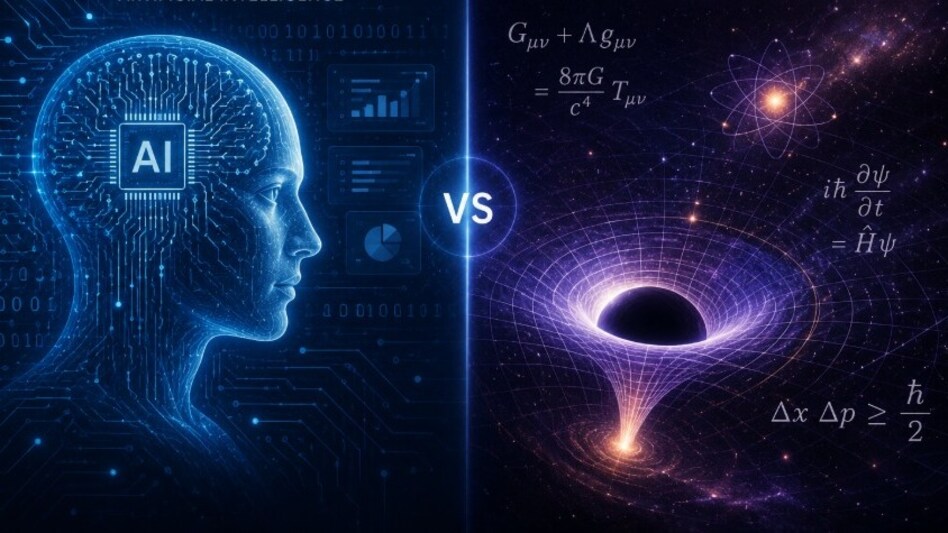
OpenAI's Micro Keypad: A Novelty for Coders or Just a Confounding Gadget?
Last week, OpenAI made its debut in the hardware landscape with the launch of Micro, a stylish keypad designed to integr...
TechCrunch | Jul 25, 2026, 24:40
Shifting Focus: The Cost-Effectiveness of AI Models Takes Center Stage
In recent years, the AI sector has been intensely focused on identifying the most advanced models. While this pursuit re...
Business Insider | Jul 25, 2026, 13:10SpaceX Successfully Tests Starship Rocket, Launching New Era of Space Exploration
On Friday evening, SpaceX executed a significant milestone by launching its colossal Starship rocket from its facility i...
CNBC | Jul 25, 2026, 24:10
Finland Unveils World's Largest Sand Battery to Tackle Renewable Energy Challenges
In a groundbreaking move to address the critical issue of renewable energy intermittency, a small town in southern Finla...
CNBC | Jul 25, 2026, 05:35