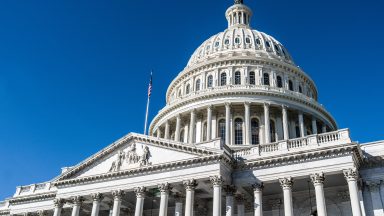
Disruption to science will last longer than the US government shutdown
The ongoing government shutdown in the United States is casting a long shadow over the scientific community. As funding freezes take hold, many government scientists are being sent home without pay, while federal agencies halt new grant opportunities. This disruption also affects critical public datasets that provide insights into vital areas such as the economy, environment, and public health. In 2025, the implications of this shutdown are particularly significant, occurring during a period of intense transformation within American science and innovation. This situation has been exacerbated by the Trump administration's efforts to consolidate executive power and exert political influence over scientific institutions. As the shutdown extends into its fifth week, uncertainty looms large, with federal research policies undergoing rapid and contentious changes that challenge the traditional relationship between the US government and research universities. For researchers, the stakes couldn't be higher. The government typically provides funding and a degree of autonomy to academic institutions, expecting a return in the form of public benefits. However, this shutdown is altering that social contract and may have both immediate and unforeseen consequences for the future of scientific inquiry in the United States. As a physicist and policy scholar, I have a keen interest in the dynamics of US science funding, particularly as a recipient of federal grants. My work delves into the history and governance of American science policy, including the nation's commitment to research and development. In light of broader reforms affecting federal grantmaking, high-skilled immigration, and scientific integrity, the current shutdown poses a significant threat to the progress of US science. Over the past two decades, interruptions due to government shutdowns have become increasingly commonplace, usually triggered when Congress is unable to pass an appropriations bill before the new fiscal year begins on October 1. In accordance with Article 1, Section 9 of the US Constitution, such failures result in the government being unable to allocate funds, leaving the scientific community in a precarious position.
Sony's Shift to Digital-Only Games Raises Concerns Over Resale Market
In a significant departure from its past, Sony has announced plans to cease physical disc production for new games on it...
CNBC | Jul 22, 2026, 24:20
Meta Explores AI-Driven Storytelling for Children with New App
Meta is embarking on an innovative journey with StoryKit, an AI-powered app designed to generate personalized children's...
TechCrunch | Jul 22, 2026, 24:05
Apple Introduces Innovative Lease-to-Own Program in Collaboration with Klarna
Apple is set to launch a groundbreaking lease-to-own initiative in partnership with Klarna, aimed at making its popular ...
TechCrunch | Jul 21, 2026, 18:50
Einride Expands Electric Trucking Vision with $38M Flipturn Acquisition
Swedish company Einride, known for its electric and autonomous trucking solutions, has made a significant move by acquir...
TechCrunch | Jul 21, 2026, 19:25
U.S. Biotech Firm Makes Bold Move to List in Hong Kong Ahead of U.S. Debut
In a significant shift in the biotech landscape, Axiom Biosciences, a firm specializing in regenerative and genetic medi...
CNBC | Jul 21, 2026, 23:55