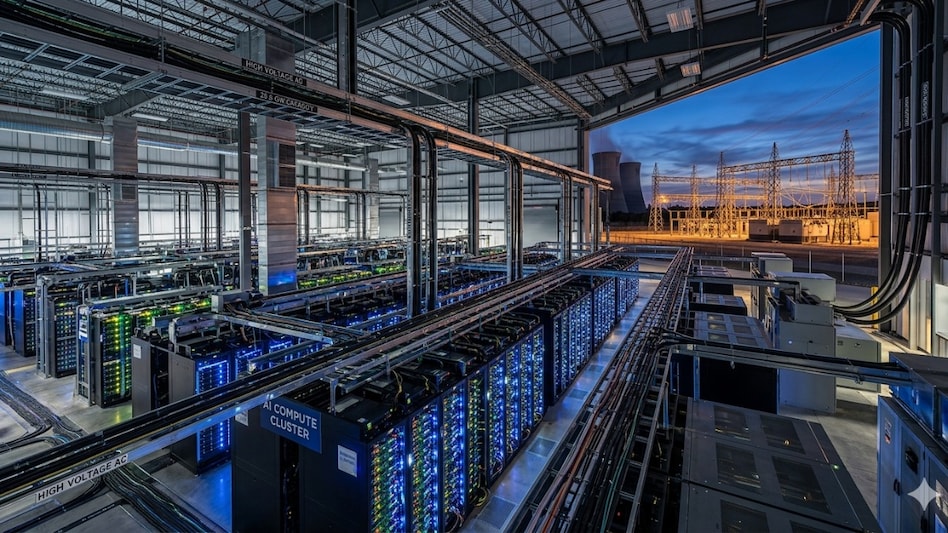
Hidden AI cost: Global energy use hits 29.6 GW in 2025, says Stanford report
Have you ever considered the energy demands that underpin the functionality of AI technologies, such as chatbots generating responses or image creation? The advancements in machine learning may seem remarkable, yet the infrastructure that supports these innovations is often overlooked. According to the Stanford University AI Index 2026 report, the evolution of AI is now heavily reliant on large-scale hardware rather than just software improvements. The report indicates that the global computing capacity for AI has skyrocketed, increasing at a rate of approximately 3.3 times each year, with projections suggesting it could reach an astonishing 17.1 million GPUs by early 2026. This unprecedented growth is compelling governments and tech firms to reevaluate their energy supply strategies, electricity infrastructure, and supply chain logistics. Industry leaders like Google, Microsoft, Amazon, and Meta are investing hundreds of billions into AI-centric data centers and power systems. The study emphasizes that the scale of computing power utilized for AI applications is not only massive but also expanding rapidly. Since 2022, AI computing resources have tripled, amounting to the equivalent of 17.1 million high-performance AI chips, such as Nvidia's H100. Major players in the tech sector, including Nvidia, Google, and Amazon, dominate this landscape. The Stanford report reveals that Nvidia accounts for over 60% of the global AI accelerator capacity, while Google and Amazon share a substantial portion of the remainder. These companies are significantly increasing their investments in infrastructure to secure essential hardware for data centers and custom chips. However, the report also uncovers the less visible costs associated with AI’s rapid growth, particularly concerning energy consumption. By late 2025, AI data centers are projected to consume around 29.6 gigawatts of power worldwide, which is comparable to the peak electricity usage of New York State. Notably, only about 11.8 gigawatts are consumed by AI chips themselves, while the majority of the energy supports auxiliary systems like cooling and networking. The infrastructure supporting AI extends beyond just advanced chips. Modern AI data centers rely on a complex ecosystem of layered hardware and technologies. This ecosystem is underpinned by key suppliers such as Taiwan Semiconductor Manufacturing Company (TSMC), Nvidia, SK Hynix, and Samsung Foundry, each playing crucial roles in design, manufacturing, and assembly. As we progress through 2026, establishing and enhancing AI infrastructure has become a critical focus. While the tech community eagerly awaits the latest AI innovations, the true competition is unfolding within semiconductor production facilities and electrical networks, where additional capacity must be implemented to meet the surging energy demands associated with AI advancements.
SpaceX Successfully Tests Starship Rocket, Launching New Era of Space Exploration
On Friday evening, SpaceX executed a significant milestone by launching its colossal Starship rocket from its facility i...
CNBC | Jul 25, 2026, 24:10
Alphabet Takes the Lead in AI Investment Amid Industry Competition
In a bold move that underscores its commitment to artificial intelligence, Alphabet has significantly ramped up its spen...
CNBC | Jul 24, 2026, 19:45
Cognition Acquires Poke: Redefining AI Interaction for Enhanced Productivity
Poke, the friendly AI assistant that users interact with as if chatting with a friend, is set to embark on a new journey...
TechCrunch | Jul 24, 2026, 18:25
Unlocking the Secrets of Quantum Gravity: Can AI Help Physics Make a Leap?
The realm of scientific research is undergoing a profound transformation, fueled by the rapid advancements in artificial...
Business Today | Jul 25, 2026, 24:30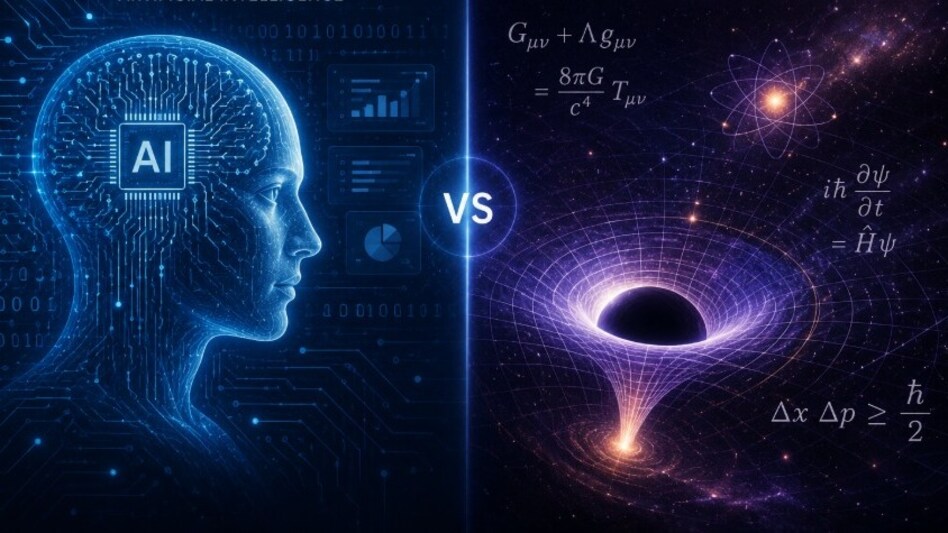
Volkswagen Engineers Indicted for Insider Trading Linked to Rivian Partnership
In a significant legal development, the U.S. Department of Justice has brought securities fraud charges against two engi...
TechCrunch | Jul 24, 2026, 20:30