
Who is really footing the AI energy bill? Inside the debate about data center electricity costs
The rapid expansion of data centers fueled by the artificial intelligence surge is drawing increasing scrutiny regarding their impact on electricity costs. As communities and policymakers voice concerns, a recent analysis by SemiAnalysis suggests that the rising energy prices may not solely stem from these facilities but also from broader market dynamics and regulatory decisions. From rural Virginia to Arizona's deserts, areas that once welcomed tech investments are now expressing apprehension about the strain data centers, primarily operated by major AI firms, are placing on local power grids. Residential electricity rates in the U.S. have surged over 36% since 2020, climbing from 12.76 cents per kilowatt-hour to 17.44 cents as of February 2026. Projections indicate these rates could reach 19.01 cents by September 2027, as reported by the U.S. Energy Information Administration (EIA). President Donald Trump has acknowledged the industry's challenges, suggesting that data centers require better public relations. The EIA's analysis reveals that retail electricity prices encompass the costs associated with power generation, transmission, and delivery, factoring in taxes and necessary utility investments to modernize aging infrastructure. The SemiAnalysis report highlights a specific market mechanism known as the Base Residual Auction, which they claim drives much of the soaring energy prices in the PJM Interconnection region, where numerous hyperscalers like Google and Amazon operate. This mechanism requires consumers to prepay for anticipated electricity costs, ensuring power availability during peak demand times. However, the forecasts that guide these prices often do not align with actual demand, especially as many planned data centers face construction delays due to a persistent memory shortage. Comparatively, another energy grid managed by the Electric Reliability Council of Texas has maintained stable prices since 2022, despite the establishment of data centers by major players like OpenAI and Google. In the fragmented U.S. energy landscape, where regulations vary by state, the design of the market significantly influences how additional costs are transferred to consumers. Experts like Maeghan Rouch from Bain & Company point out that while demand from data centers has escalated prices in constrained markets like PJM, other regions allow for more equitable cost distribution. Furthermore, unrelated investments in local infrastructure and inflationary pressures contribute to the challenges faced by consumers, indicating that even without data center investments, price growth is likely. To alleviate fears surrounding their energy consumption, large tech firms have made commitments to offset the costs associated with their data centers. Microsoft and Anthropic, for instance, have pledged to cover any additional electricity expenses resulting from their operations, and President Trump has convened AI leaders to endorse the Ratepayer Protection Pledge, aiming to prevent these costs from being passed on to consumers. While such pledges are crucial for gaining community support, experts express skepticism about their feasibility, especially given the industry's financial struggles. Marc Einstein from Counterpoint Research emphasizes the necessity for hyperscalers to clarify their strategies for managing rising electricity costs to avoid speculation and misinformation. The shift towards renewable energy sources is becoming imperative as the demand for data centers escalates globally. JLL's Chris Howard notes that the average wait for grid connections in major data center markets can extend between four to six years, and up to ten years in cities like Tokyo. This scenario presents substantial opportunities for renewable energy producers. Despite the growing interest in sustainable energy, doubts persist regarding the current U.S. administration's commitment to these initiatives. Nevertheless, analysts suggest that fulfilling sustainability pledges could enhance the public image of AI hyperscalers, especially in light of potential regulatory responses to public backlash.
Blinkit Rises to Challenge Amazon in E-Commerce Landscape
In an impressive leap forward, Blinkit has significantly increased its operational scale, with the cost to establish a s...
Business Today | Jul 24, 2026, 09:35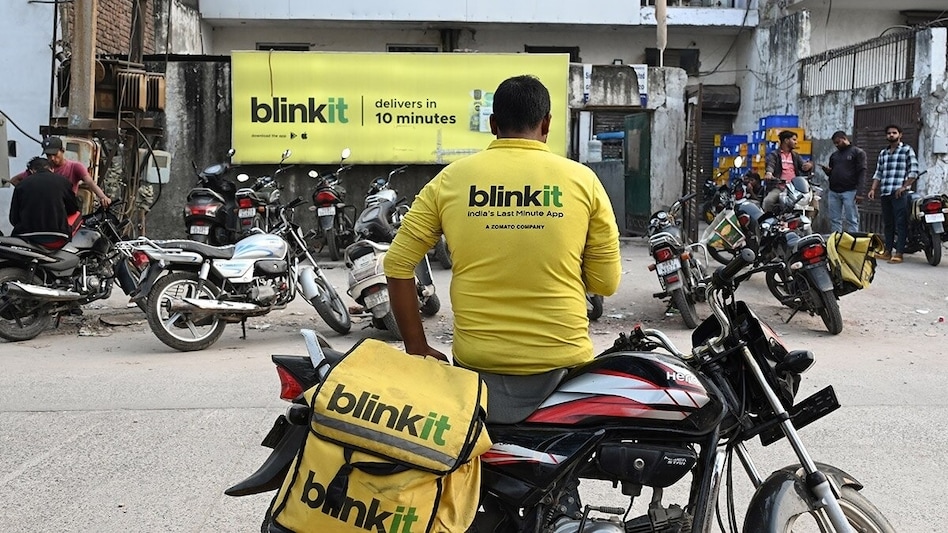
Elon Musk's Ambitious Leap: Can Tesla's Optimus Robot Revolutionize Work and Life?
Elon Musk has transformed Tesla into a leading automotive giant, but now he is staking the company's future on a groundb...
Business Insider | Jul 24, 2026, 09:10Sam Altman's World Secures $52.5 Million in Crypto Funding for Online Verification
World, an innovative online verification platform co-founded by Sam Altman of OpenAI fame, has successfully raised $52.5...
TechCrunch | Jul 24, 2026, 16:40
Will AI Dampen Originality? An Expert's Cautionary Tale
As artificial intelligence continues to evolve, concerns are rising about its potential impact on innovation and creativ...
Business Insider | Jul 24, 2026, 15:00Midjourney Expands Horizons with Acquisition of Co-Star Astrology App
In a significant move to diversify its offerings, Midjourney, the AI lab renowned for its innovative image and video gen...
TechCrunch | Jul 24, 2026, 15:25