OpenAI's chair says vibe coding is here to stay — but it's not the endgame
Vibe coding has cemented its place in the tech landscape, but according to Bret Taylor, board chair of OpenAI, it represents just a fraction of the ongoing transformation in software development. In a recent episode of the "Big Technology Podcast," Taylor emphasized that utilizing AI tools to craft software through natural language prompts is becoming a standard practice rather than a novelty. However, Taylor cautioned against fixating solely on the speed of vibe coding. He posed a critical question: "Is the focus on how fast we can vibe code apps the right one?" He suggested that this perspective may overlook the more profound shifts occurring in software. The true disruption lies not in speeding up current processes, but in the evolution of the software landscape itself, he asserted. As we move forward, Taylor predicts a significant shift away from traditional software structures like dashboards and web forms. He believes that AI agents will define the future of software, allowing users to delegate tasks to these intelligent systems that operate on databases. The key question, he noted, is whether businesses will develop their own agents or rely on off-the-shelf solutions. While the advent of AI has dramatically reduced software development costs, Taylor highlighted that it has not addressed the complex challenges of software maintenance or the risks associated with errors. Many organizations, he explained, prefer commercial solutions to distribute maintenance costs across a broader client base. The rise of vibe coding is notable, with tech leaders like Google CEO Sundar Pichai acknowledging its impact. Pichai remarked that vibe coding enhances the coding experience, making it accessible to non-technical users who can create simple applications and websites. In recent earnings reports, he revealed that AI contributes to over 30% of Google’s new code, a notable increase from 25% the previous year. Despite its benefits, industry experts caution that AI-generated code can often be flawed, overly complex, or poorly structured. Pichai expressed concerns about the reliability of such code, particularly for large, security-sensitive projects. Similarly, Boris Cherny of Anthropic stressed that while vibe coding can be useful for prototypes, it is not suitable for mission-critical software where maintainability and precision are paramount.
The Elusive Phineas Fisher: The Hacktivist Who Took Down Spyware Giants
In the realm of cybersecurity, few figures are as intriguing as Phineas Fisher, a hacker who has evaded capture for near...
TechCrunch | Jul 25, 2026, 21:00
The Future of Work: Executives Weigh In on AI's Impact on Gen Z Careers
As generative artificial intelligence continues to rise, uncertainty looms for the incoming Gen Z workforce. Leaders fro...
Business Insider | Jul 26, 2026, 10:15Unleashing the Power of AI: The 5 Smartphones Redefining Mobile Photography
Artificial Intelligence (AI) is transforming our daily experiences, permeating various aspects of technology, including ...
Business Today | Jul 26, 2026, 07:05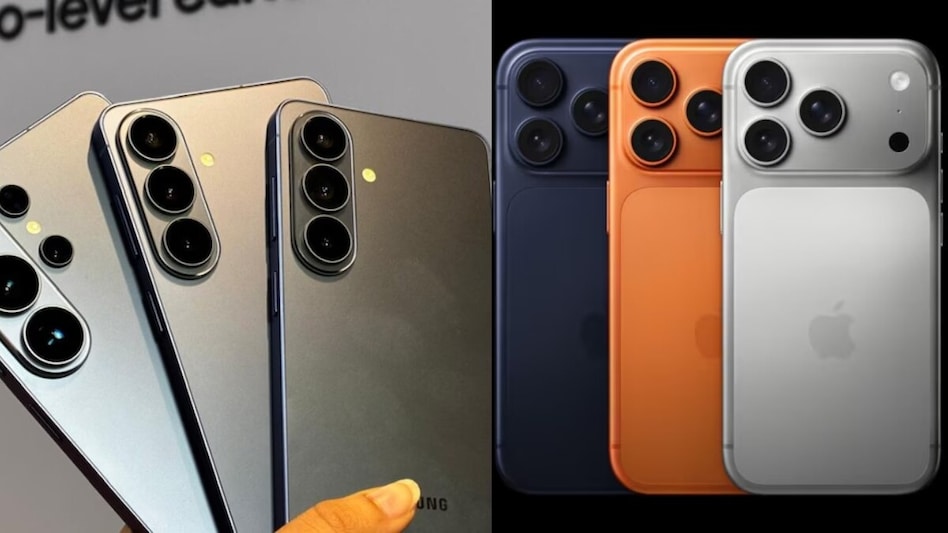
AI Transformations Lead to Major Job Cuts at Tech Giants
Monday.com, the innovative work management platform based in Tel Aviv, has recently announced significant layoffs, attri...
TechCrunch | Jul 26, 2026, 01:45
Reclaiming Control: Librarians Host Workshops to Help People Navigate AI Tools
In a lively library setting in South Philadelphia, Charlie Bailey, a local librarian, humorously noted, "Everybody’s on ...
TechCrunch | Jul 25, 2026, 16:20