How AI is making the CHRO's job a whole lot bigger
The introduction of artificial intelligence is redefining the landscape of human resources, significantly expanding the responsibilities of Chief Human Resources Officers (CHROs). Leaders from organizations such as Citizens Bank, Boston Consulting Group, and UiPath are at the forefront of this transformation, taking on the role of AI strategists to guide their companies through a new era of workforce management. According to Thomas Hutzschenreuter, a professor at the Technical University of Munich, the traditional separation of employees and technology is vanishing. "The new model emphasizes human-AI collaboration," he states, highlighting the necessity for HR leaders to delve deeper into business strategy, technology, and organizational culture. As CHROs become the architects of future work environments, they are tasked with addressing critical questions about workforce dynamics. Issues such as the future of entry-level positions, the emergence of new roles, and the reskilling of employees are at the forefront of discussions. Companies are recognizing the urgent need for employees who can adapt and evolve alongside technological advancements. The integration of AI into HR practices is profound. Current trends indicate that roughly 90% of the workforce in some organizations interacts with AI tools regularly. To facilitate this transition, firms are establishing robust support systems, including training networks that empower employees to embrace AI fluency. These initiatives involve upskilling coaches, reimagining workflows, and fostering innovation through competitions. At its core, the role of HR is transforming from administrative oversight to strategic engagement. For instance, one organization has successfully consolidated multiple IT systems into an integrated platform that leverages AI for performance management and employee development. Innovations such as voice tools and AI avatars are being explored to provide real-time coaching, enhancing employee confidence and learning experiences. The development of AI agents is also a game-changer. One emerging tool assists in streamlining the performance review process, allowing employees to compile self-assessments more efficiently while providing managers with consolidated feedback. This not only reduces administrative burden but also frees up time for more meaningful interactions and development discussions. While the integration of AI presents challenges and uncertainties, it also opens doors for growth and curiosity. As industries evolve, every professional must consider the implications of AI on their careers. The misconception that technology will only replace lower-level jobs is rapidly changing. As demonstrated in fields like medicine and aviation, AI is poised to influence even the most skilled professions. The key is to prepare proactively for this inevitable shift.
Facebook Unveils New Seller App and Free Verification System to Boost Marketplace Engagement
In an effort to enhance user engagement and streamline operations, Facebook has announced a series of updates aimed at M...
TechCrunch | Jul 24, 2026, 13:00
Global Leaders Unite to Promote Secure Open-Source AI at APEC Summit
In a significant development at the recent APEC summit in Chengdu, China, member nations, including the United States, e...
CNBC | Jul 24, 2026, 02:45
AI Guardrails: A Double-Edged Sword for Cybersecurity Researchers
In recent months, leading AI companies have implemented stringent regulations and vetted programs to curb potential misu...
TechCrunch | Jul 24, 2026, 01:15
Ashneer Grover Unveils Innovative Loan Guarantee Platform for Employees
Ashneer Grover, the former MD and co-founder of BharatPe, has made waves with the announcement of his new fintech initia...
Business Today | Jul 24, 2026, 05:55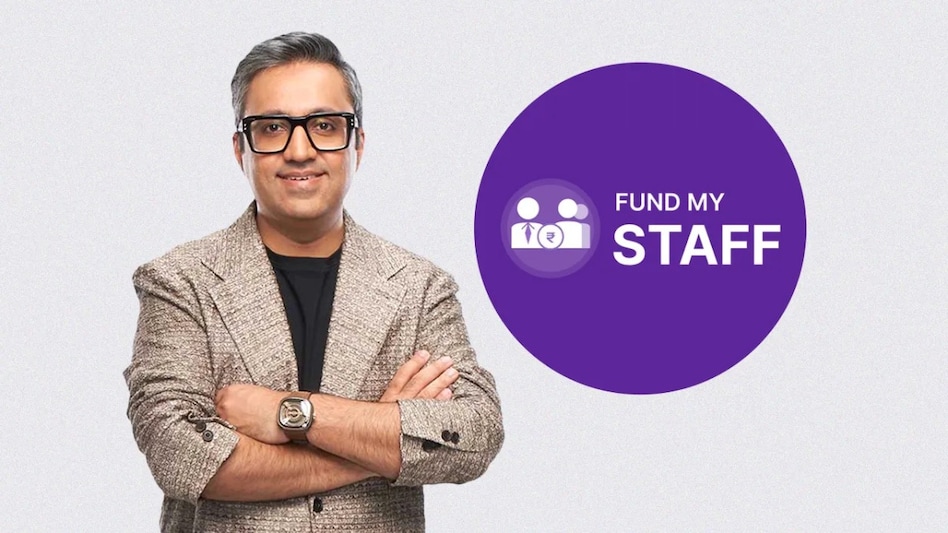
Divorce Drama: Tech Mogul's Ex-Wife Faces Setback in AI Wealth Battle
The surge in wealth from the booming AI industry is reshaping fortunes, yet the former spouse of one of South Korea's le...
CNN | Jul 24, 2026, 05:45