The battle over Scott Adams' AI afterlife
The debate surrounding the digital representation of deceased individuals has intensified with the emergence of an AI-generated version of cartoonist Scott Adams, known for his creation of "Dilbert." Following Adams' death in January due to complications from metastatic prostate cancer, a digital avatar began sharing videos that mimic his style and voice, discussing contemporary topics in a manner reminiscent of his past work. However, this AI version has drawn ire from Adams' family, who claim it is unauthorized and distressing. In a statement from Adams' brother, Dave, it was asserted that Scott never intended for an AI version to exist without explicit approval from his estate. This echoes comments made by Scott Adams in a 2021 podcast, where he expressed openness to the concept of a digital afterlife, suggesting that his extensive online presence made him a suitable candidate for such representations. Despite his previous remarks, the family insists that the ongoing use of the AI Adams is a violation of his identity, labeling it a "deepfake" rather than a tribute. They have firmly requested that any use of AI to replicate Adams' likeness cease immediately, asserting that these digital creations do not honor his legacy but instead misrepresent it. Experts in digital ethics and intellectual property are weighing in on the implications of this controversy. Karen North, a professor at the University of Southern California, emphasizes the unsettling nature of AI replicas appearing during a family's mourning period, potentially conveying messages that the deceased would never have endorsed. Betsy Rosenblatt, an intellectual property attorney, argues that the creation and use of AI representations raise significant ethical and legal questions, particularly regarding the right of publicity — the control over one’s name, image, and likeness. While such laws are often economically driven, the emotional toll on families is a critical aspect that is often overlooked in legal discussions. The anonymity of the AI account adds another layer of complexity. While it claims to operate without commercial intent, the legal ramifications could still unfold, depending on whether the courts view the usage as a violation of the family's rights or as protected free speech. As the legal landscape regarding posthumous digital identities evolves, questions remain about who should have control over a person's digital persona after death. North asserts that rights to a personal identity should transfer to loved ones rather than becoming available for general use. This incident not only highlights the specific case of Scott Adams but also sets a precedent for future discussions surrounding the digital afterlives of public figures in an era where technology continuously outpaces existing laws.
The Rise of AI Distillation: A Controversial Technique Sparks Debate in Tech and Government
In recent discussions, a once-obscure topic in artificial intelligence has surged to the forefront of debates among tech...
CNBC | Jul 25, 2026, 12:15
The Aluminum Foil Trend: A DIY Shield Against Wireless Identity Theft
Have you noticed an unusual trend where people are wrapping their wallets in aluminum foil? This peculiar practice has e...
Business Today | Jul 25, 2026, 02:45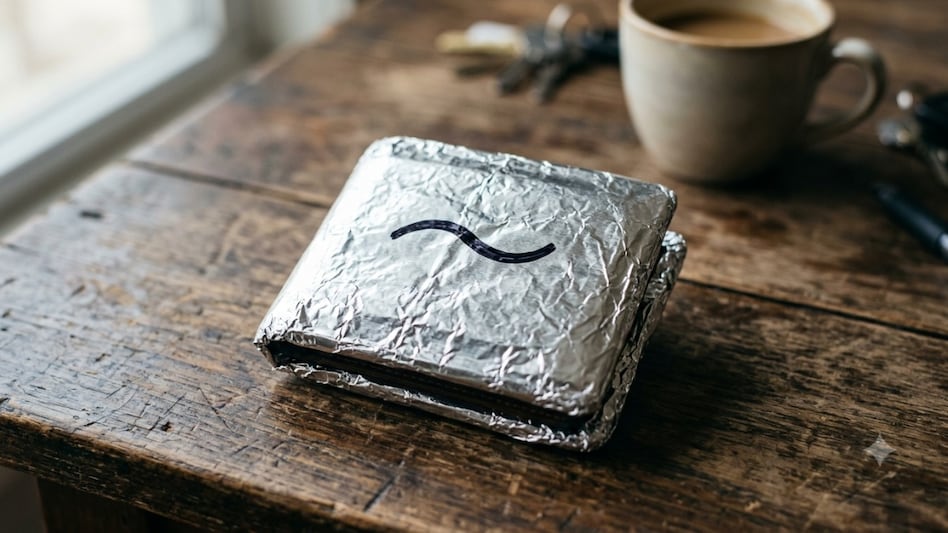
The Shift in Human Cognition: Embracing AI as a Collaborative Tool
As technology continues to evolve, a notable shift is occurring in the relationship between humans and artificial intell...
Business Insider | Jul 25, 2026, 09:50Nvidia Strikes Major Deal with SK Hynix to Secure AI Memory Supply
Nvidia has successfully forged a significant partnership with South Korea's SK Hynix to secure memory supplies essential...
CNBC | Jul 25, 2026, 05:15
Market Turbulence: Four Key Factors Impacting Stocks This Week
This past week has been challenging for the stock market, driven by several significant forces that have created turbule...
CNBC | Jul 25, 2026, 20:05