
Big tech's AI acquisition frenzy isn't always the payday young startup workers dreamed about
In a striking turn of events, the ongoing wave of acquisitions in the tech industry is revealing a troubling trend for startup employees. Recently, while Accenture announced its investment in Snorkel AI, a data labeling startup, the company simultaneously disclosed a 13% staff reduction. This unsettling pattern is not isolated; Meta's significant investment in Scale AI led to a 14% workforce cut, raising questions about job security amid the AI boom. Windsurf, a coding AI startup, found itself in a precarious position after a failed acquisition attempt by OpenAI, prompting buyout offers to its entire workforce. Following Cognition's acquisition of Windsurf, 30 employees were laid off as the new owners sought to streamline operations. Similarly, HP's acquisition of Humane resulted in salary boosts for some employees but also prompted immediate layoffs for others. The trend continues as Meta recently announced the dismissal of 600 employees from its AI division, a move revealed in a memo from Chief AI Officer Alexandr Wang. As major tech firms aggressively pursue AI capabilities through acquisitions, the smaller companies involved often face immediate fallout in the form of job losses. According to industry analysts, this shift is indicative of a broader trend where Wall Street's focus on profitability leads to swift eliminations of redundant roles, overshadowing the cultural considerations that once influenced such mergers. JP Gowinder, a vice president at Forrester, noted that the current approach of big tech companies emphasizes minimal staffing levels, deviating from past practices that prioritized cultural integration and employee retention. The upheaval in the workforce is compounded by the ongoing realignment of large tech firms that are still adjusting from pandemic-era hiring frenzies. Malinda Gentry, an expert at EY-Parthenon, explained that as these companies pivot toward AI-driven growth, they are likely to shed non-core assets, resulting in a need for a more efficient workforce. The World Economic Forum warns that AI advancements could displace up to 85 million jobs globally while simultaneously creating 170 million new positions, leaving tech workers in a precarious position as the industry evolves. Amid job volatility and shifting expectations, startups in the AI sector may find it increasingly difficult to attract talent. Historically, employees were drawn to the potential for growth and the promise of acquisition benefits, but this new landscape introduces uncertainty, potentially prompting startups to include stronger equity guarantees or severance packages in employment contracts. Despite these challenges, experts emphasize that layoffs are not the entire narrative. While workforce reductions are evident, there are simultaneous hiring initiatives in areas critical to AI development. The race to secure expertise in machine learning, data science, and AI safety continues, reinforcing the belief that an AI-driven future for the tech workforce is inevitable. Gentry concludes that while workforce reductions will persist, there will remain opportunities for growth through talent acquisition, partnerships, and innovation within the evolving tech ecosystem.
Xi Jinping Advocates for Open-Source AI Collaboration at Global Conference
At the World Artificial Intelligence Conference held in Shanghai, Chinese President Xi Jinping emphasized the necessity ...
Business Insider | Jul 17, 2026, 17:10Zoox Takes Action: Software Recall After Robotaxi Near Miss with Emergency Scene
Zoox, the autonomous vehicle division owned by Amazon, has initiated a software recall affecting 105 of its robotaxis du...
CNBC | Jul 17, 2026, 15:00
Anand Mahindra: AI Will Transform, Not Replace, India's IT Landscape
Anand Mahindra, Chairman of the Mahindra Group, has asserted that artificial intelligence (AI) will fundamentally transf...
Business Today | Jul 17, 2026, 16:20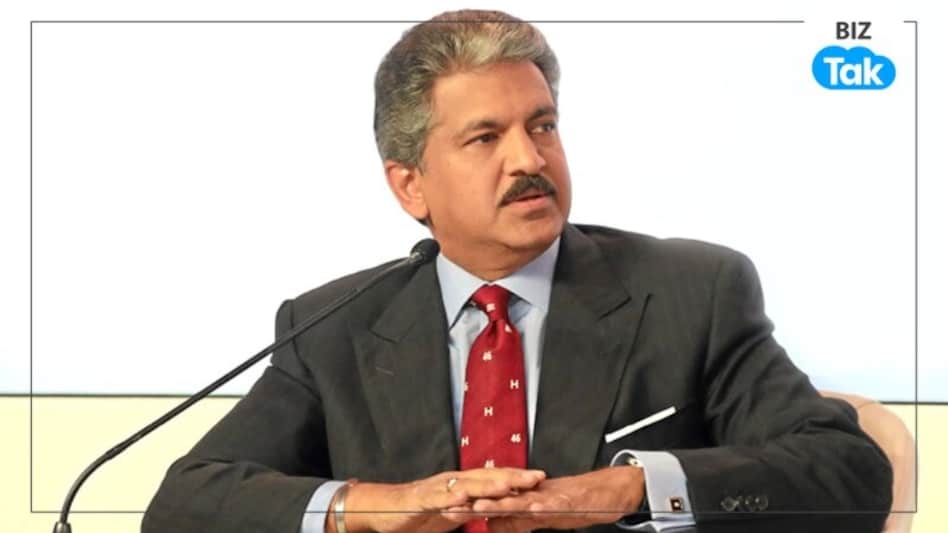
Market Turmoil: Tech Stocks Plunge, Netflix's Earnings Disappoint, and Economic Sentiment Dips
In a turbulent start to the trading day, stock futures are showing signs of decline after a downward trend yesterday. Th...
CNBC | Jul 17, 2026, 12:45
India's Semiconductor Fab: A Strategic Move Towards Future Growth
India's inaugural semiconductor fabrication facility has sparked a lively debate regarding its decision to utilize estab...
Business Today | Jul 17, 2026, 12:40