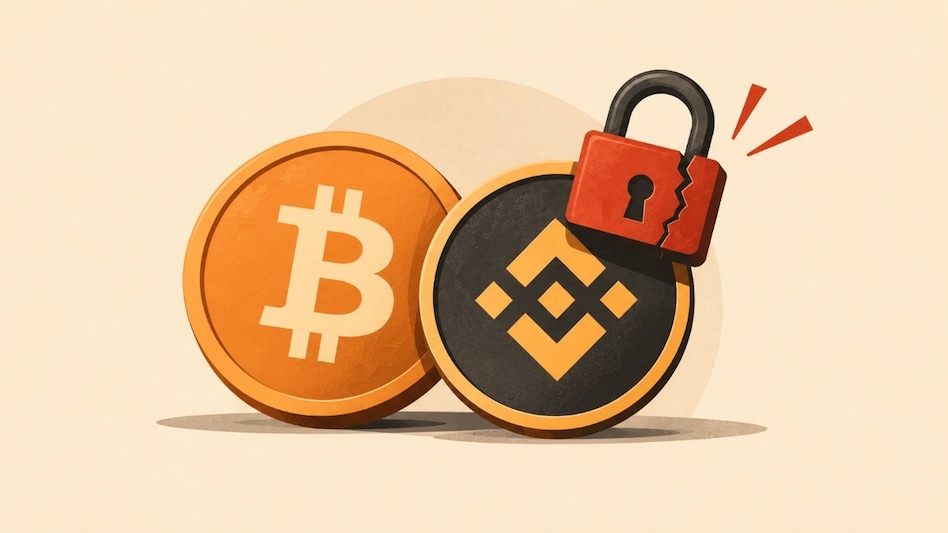
From dream job pitch to $6.3 bn heist: How fake interviews fuelled the biggest crypto hack
The staggering $6.3 billion heist at Binance began with a seemingly innocuous job interview, resulting in one of the most significant cryptocurrency thefts in history. The attackers meticulously posed as recruiters and fake executives, ultimately persuading a Binance engineer to install malicious software on his work device. According to Binance, the hackers first contacted the engineer via a job-hunting platform in September, where they pretended to represent a non-existent company. They claimed to be a project director, taking advantage of the engineer's profile, which highlighted his credentials at Binance and granted him access to the firm's internal systems. During the initial interview, the fraudsters posed as an HR representative, even sharing a social media account that included personal photos and videos to build trust. Binance noted that this level of deception was more sophisticated than previous social engineering tactics. For the second round of interviews, the engineer was directed to a different messaging app to converse with someone impersonating the CEO of the company. The fake CEO convinced the engineer to download a file under the guise of an assignment, which ultimately contained harmful code. By executing the download, the engineer inadvertently opened the door for the hackers to breach the company’s security. This was not the hackers’ first attempt; Binance reported having thwarted prior efforts to test its defenses back in June. Following the successful infiltration of the engineer's laptop, the attackers were able to access other employees’ systems to authorize transactions from Binance wallets. The theft occurred on October 29, with TRM Labs indicating that the attackers moved approximately $6.36 billion in assets out of Binance wallets across ten different blockchains in a matter of minutes. Binance has since identified and frozen roughly $3 billion of the affected assets linked to the hackers. The FBI has connected the heist to a North Korean group known as “TraderTraitor,” which has been implicated in previous cybercrimes, including the Bybit hack in 2025. However, this group has denied any involvement. In response to the breach, Binance assured its users that they would not suffer any financial losses, committing to cover the damages through its Secure Asset Fund for Users.
Walmart Partners with Meta's Muse for a Smarter Black Friday Shopping Experience
The future of shopping is now, as Walmart embraces the integration of artificial intelligence into its retail strategy. ...
TechCrunch | Nov 24, 2026, 21:45
Nvidia's Jensen Huang Opens Up About Personal Struggles and Commitment to Improvement
In a heartfelt address to Nvidia employees, Jensen Huang revealed that he has been attending daily therapy sessions as h...
Business Today | Nov 25, 2026, 02:10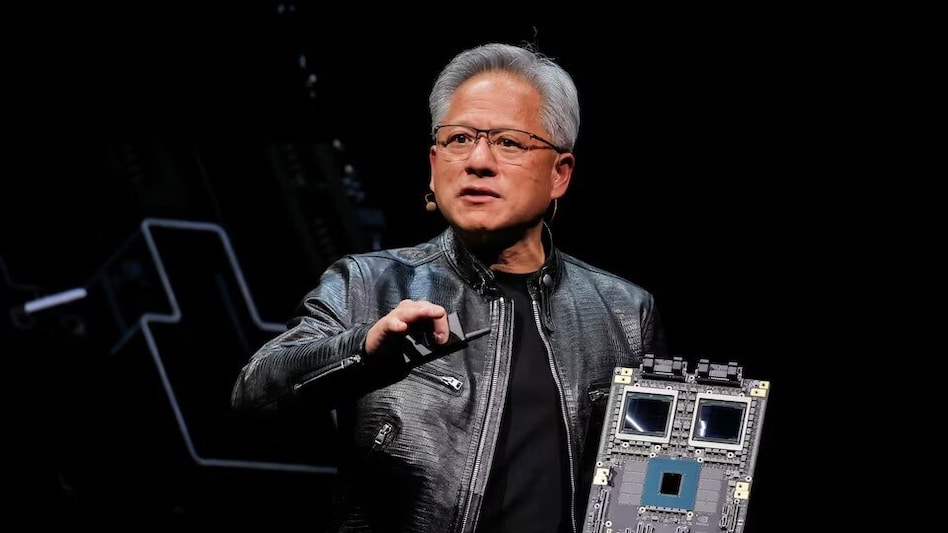
Electric Truck Innovator Harbinger Secures Major Funding from Erebor Bank
Harbinger, an emerging player in the electric truck industry, has secured a significant financial boost from Erebor Bank...
TechCrunch | Nov 24, 2026, 18:00
Former OpenAI Engineer Granted Release on Bond Amid Espionage Allegations
Abdulrahman Alfozan, the ex-OpenAI engineer who was terminated and subsequently arrested last month, is poised to be rel...
Business Insider | Nov 24, 2026, 20:40Anthropic's Stock Plummets, Raising Concerns for the AI Sector
Shares of Anthropic have dipped below their initial public offering (IPO) price of $83, reaching a low of $76 by midday ...
TechCrunch | Nov 24, 2026, 18:45