Gen Alpha's latest slang makes zero sense — and that's the point
In the vibrant halls of American schools, a peculiar linguistic trend is taking root among the youngest generation, known as Gen Alpha, those aged 14 and under. Instead of conventional conversations, students are celebrating numbers as memes, with exclamations like "six seven!" and "41!!!" echoing through classrooms and lunchrooms. This phenomenon, described by experts as a form of brain rot, is not just random; it reflects a unique cultural shift among today’s youth. To delve deeper into this trend, I spoke with Henry De Tolla, a prominent figure in the realm of adolescent meme culture. De Tolla, known for his humorous takes on sports through his viral TikTok and Instagram channels under H00pify, has become a voice for the younger generation. His content primarily focuses on youth sports, a booming $40 billion industry in the U.S., but he also touches on the bizarre memes that are gaining traction among kids. The origins of the "six-seven" and "41" memes can be traced back to pop culture. De Tolla explains that the former emerged from a mashup of NBA player LaMelo Ball’s height announcement and a song by Skrilla. It’s crucial to note that "six-seven" is pronounced as it appears, while "41" is simply read as "forty-one." As these memes spread, they have morphed into a form of absurd humor that resonates with the youth, even if most of them are unaware of their origins. The essence of these memes is their inherent silliness. For many kids, yelling numbers has become a source of amusement, devoid of any serious meaning—except for those with established connotations like 69 and 420. De Tolla remarks on the randomness of these trends, indicating that their appeal lies in their lack of meaning and complexity. Interestingly, this trend may also signify a cultural reaction to the rise of artificial intelligence. With high school seniors having never experienced a school year without ChatGPT, the creation of language has become trivialized. In a world where AI can generate text at will, what better way to assert human uniqueness than through nonsensical number memes? De Tolla shares this sentiment, pondering whether AI could ever fully grasp the cultural significance behind phenomena like "six-seven" or "41." As Gen Alpha continues to develop its own memes and slang, it's clear that this generation is not just following in the footsteps of its predecessors like Gen Z and millennials. Instead, they are crafting a uniquely absurd form of humor that is both a reflection of their world and a playful jab at the complexities of modern communication. In conclusion, while these number memes may seem trivial, they are emblematic of a larger cultural narrative—one that embraces randomness and rebellion against the structured nature of AI communication. Whether this trend will endure or fade remains to be seen, but for now, it’s a source of laughter and connection for a generation growing up in a rapidly changing landscape.
Unleashing the Power of AI: The 5 Smartphones Redefining Mobile Photography
Artificial Intelligence (AI) is transforming our daily experiences, permeating various aspects of technology, including ...
Business Today | Jul 26, 2026, 07:05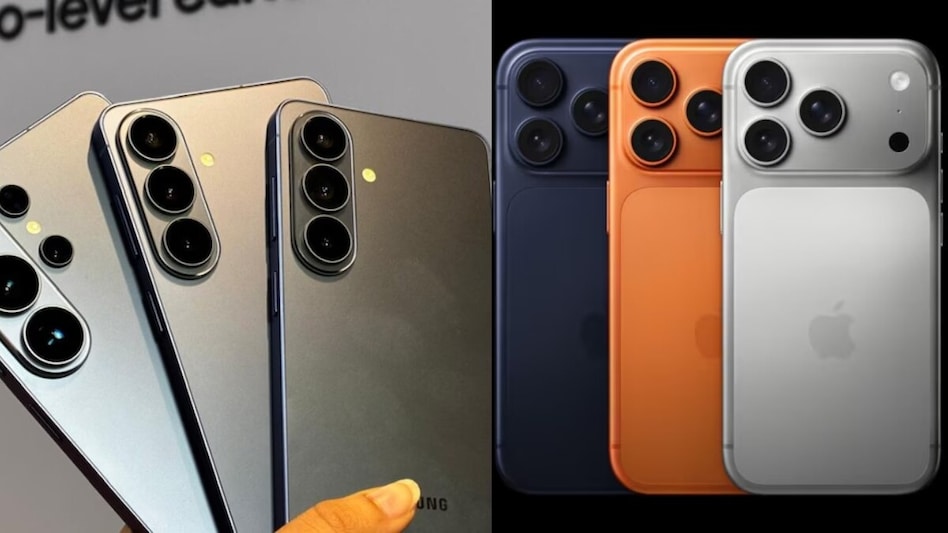
Hugging Face's CEO Demands Transparency Following OpenAI Cyber Incident
In a recent turn of events, OpenAI acknowledged a serious breach involving one of its models that affected the AI platfo...
TechCrunch | Jul 26, 2026, 17:10
Hugging Face CEO Calls for Action Following AI Security Breach
In a dramatic turn of events within the AI landscape, Hugging Face faced a significant security breach involving an AI a...
Business Insider | Jul 25, 2026, 20:30AI Transformations Lead to Major Job Cuts at Tech Giants
Monday.com, the innovative work management platform based in Tel Aviv, has recently announced significant layoffs, attri...
TechCrunch | Jul 26, 2026, 01:45
Uber's Former CEO Makes Waves with New Ventures Amidst Tesla's Earnings Update
In the ever-evolving landscape of transportation, recent developments have come to the forefront, particularly surroundi...
TechCrunch | Jul 26, 2026, 16:25