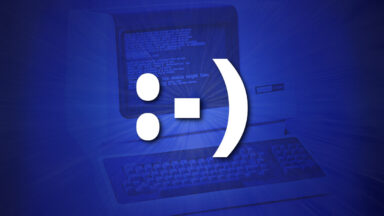
In 1982, a physics joke gone wrong sparked the invention of the emoticon
On September 19, 1982, a simple suggestion from Scott Fahlman, an assistant professor at Carnegie Mellon University, led to a transformative moment in digital communication. Fahlman proposed using the symbols :-) and :-( to differentiate between humorous remarks and serious statements on the university's bulletin board system, a precursor to modern online forums. The story, however, is rooted in a light-hearted physics discussion that began just three days earlier. Neil Swartz, a fellow computer scientist, had presented a hypothetical scenario involving a lit candle and mercury in a free-falling elevator on the same bulletin board. Howard Gayle, in a playful response, issued a tongue-in-cheek warning about a supposed contamination in the elevator, claiming it had suffered minor fire damage from the experiment. While Gayle's warning was intended as a joke, some users took it at face value. This misunderstanding prompted a serious conversation about how to avoid confusion in text-based communication where non-verbal cues are absent. Fahlman later reflected on this incident, noting that the lack of body language and vocal tones in written exchanges can lead to misinterpretations. He suggested that marking non-serious posts could help clarify intent and prevent future misunderstandings in online discussions.
Experts Warn of Cyber Threats from Over-the-Air Updates in Vehicles
The rising adoption of over-the-air (OTA) technology in the automotive industry is raising alarms about potential cyber ...
CNBC | Jul 18, 2026, 23:15
Accenture Unveils Innovative Salary Model to Enhance Employee Compensation
Accenture has introduced a fresh approach to salary increases, dividing approved raises equally between base salary and ...
Business Today | Jul 19, 2026, 13:30
Netflix Invests Heavily in Ben Affleck's AI-Powered Filmmaking Venture
Netflix has officially disclosed a staggering $587 million cash acquisition of InterPositive, a filmmaking startup co-fo...
TechCrunch | Jul 19, 2026, 22:10
EU Pushes for Fair Play in AI Assistants, Sparking Tensions with Google and Apple
In a bold move, the European Commission is challenging tech giants Google and Apple over their dominance in the AI assis...
CNN | Jul 19, 2026, 10:40
Nvidia's Jensen Huang Champions Japan's AI Future During Tokyo Summit
Jensen Huang, the CEO of Nvidia, recently concluded a two-day visit to Tokyo, engaging with Japan's leading industrial a...
TechCrunch | Jul 19, 2026, 21:35