AI raised the bar for marketers, but broken workflows are holding teams back
In today's fast-paced marketing landscape, brands crave their moment in the spotlight—be it a viral trend or a significant cultural event. With the rise of AI tools that can generate content in mere seconds and instant distribution channels, one would think that brands are primed for success. However, recent findings suggest that many organizations are struggling to keep up with the rapid pace of culture. According to the Typeface Signal Report, a survey of over 200 marketing professionals revealed a troubling trend: teams experiencing burnout were 230% more likely to miss out on key cultural moments. The issue lies not in creativity or ambition but in the disconnect between the speed of cultural shifts and the traditional structures of marketing teams. While 87% of marketers acknowledge that AI aids in faster content creation, the expectation for quick asset production has skyrocketed, with many now needing to deliver new content daily. Yet, the path from content creation to market is often clogged with lengthy approval processes. In large organizations, 71% of teams take over a day to approve real-time content, and 27% require more than a week. By the time approvals are finalized, the cultural conversation may have already moved on, leading to lost engagement opportunities. This dilemma highlights a paradox: AI has accelerated the content creation phase, but the real bottleneck lies in the approval stages, where workflows are often outdated and ill-suited for immediate responses. Concerns about brand quality and messaging consistency also play a significant role in delaying action during critical moments. For instance, one brand faced a prime opportunity to engage with a positive athlete moment in 2024, but due to a two-day approval process, they missed the chance to connect with their audience. The eventual content received minimal engagement, showcasing the cost of hesitation in a fast-moving environment. The toll on marketing teams is significant, with 63% of marketers reporting feelings of burnout from the relentless pace of content demands. Midlevel managers, who often bear the brunt of real-time tasks, experience the highest levels of stress. This burnout isn't just a matter of morale; it can lead to missed opportunities and a stifled ability to innovate. As expectations for AI-driven content creation rise, executives must recognize that simply increasing volume is not a solution. The approval processes need reevaluation to match the agility that AI can provide. Brands that excel in real-time marketing often focus on optimizing their systems rather than merely adding new tools. By integrating AI into a cohesive system, marketing teams can better handle complexity and respond promptly without overwhelming their members. As cultural moments become more frequent and audience expectations heighten, brands that thrive will be those that effectively align people, processes, and technology. The real challenge for CMOs is not whether their teams can create content quickly, but whether their organizations can deliver it when it truly matters.
Midjourney Expands Horizons with Acquisition of Co-Star Astrology App
In a significant move to diversify its offerings, Midjourney, the AI lab renowned for its innovative image and video gen...
TechCrunch | Jul 24, 2026, 15:25
Bluesky's Attie Transforms into a Comprehensive Research Tool
Bluesky's AI assistant, Attie, is taking a significant leap forward by evolving into a versatile research tool aimed at ...
TechCrunch | Jul 24, 2026, 15:25
Tech Giants Unite to Advocate for Open-Weight AI Models Amid Regulatory Concerns
A coalition of major technology companies, including Nvidia, Microsoft, Meta, and Palantir, has issued a call to action ...
CNBC | Jul 24, 2026, 14:30
AI-Driven Overhaul for Prime Video: Bezos Aims to Transform Your Viewing Experience
In a bold move to enhance user engagement, Jeff Bezos is spearheading a significant redesign of Prime Video, emphasizing...
Business Today | Jul 24, 2026, 10:55
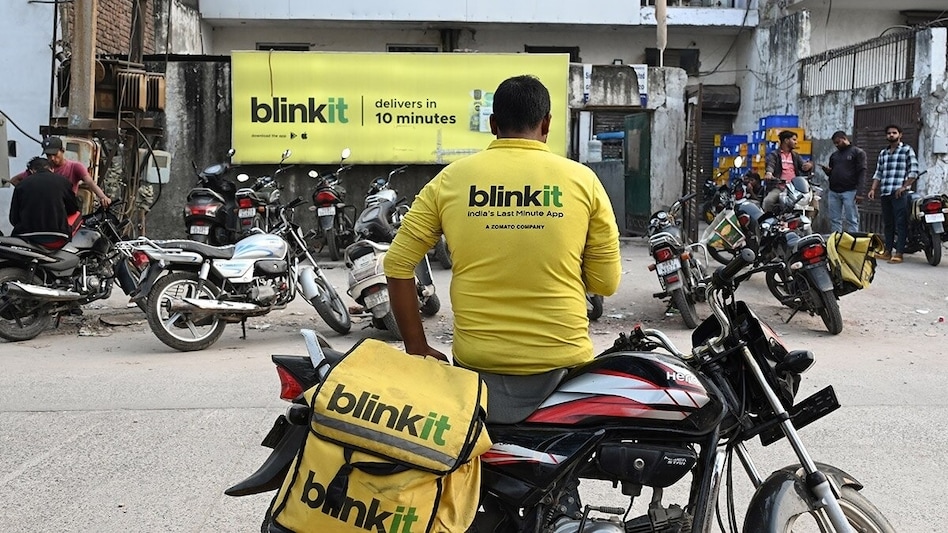
Blinkit Rises to Challenge Amazon in E-Commerce Landscape
In an impressive leap forward, Blinkit has significantly increased its operational scale, with the cost to establish a s...
Business Today | Jul 24, 2026, 09:35