
Tesla stock closes at 2025 high after Musk confirms driverless Robotaxi tests underway in Austin
In a significant development for autonomous driving, Tesla is now testing driverless vehicles in Austin, Texas, with no human operators on board. This marks a notable shift nearly six months after the company initiated a limited Robotaxi service that included safety drivers. Elon Musk, Tesla's CEO, shared the news via a post on his social media platform X, stating, "Testing is underway with no occupants in the car." Following this announcement, Tesla's stock saw a 3.5% increase, closing at $475.11 on Monday, bringing its total rise for the year to 18%. The stock remains just 1% shy of its all-time high reached in December 2024. For over a decade, Musk has consistently promised Tesla investors that the electric vehicles would soon be able to operate autonomously as robotaxis, capable of completing journeys without human intervention. While fully autonomous operations are still on the horizon, Tesla launched a Robotaxi-branded ride-hailing service in Austin last June, followed by another in the San Francisco Bay Area. In recent posts on X, Tesla's official account hinted at exciting advancements: "The fleet will wake up via over-the-air software update," and "Slowly then all at once." Responding to a video of a driverless vehicle spotted in Austin, Ashok Elluswamy, Tesla's VP of AI software, exclaimed, "And so it begins!" However, the path to full autonomy may not be as immediate as some expect. As of mid-October, Tesla reported seven collisions involving its vehicles in Austin, which currently include automated driving systems (ADS) overseen by human safety supervisors. While the company’s data to the National Highway Traffic Safety Administration indicated these incidents were not severe, experts like Philip Koopman, a professor at Carnegie Mellon University, expressed concern. He noted that with such a small fleet—around 30 vehicles—there should ideally have been fewer than seven reportable accidents, especially given the presence of safety supervisors. Musk has plans to expand the Robotaxi fleet to 60 vehicles by the end of 2025. However, details regarding the nature of the collisions remain unclear, as Tesla opted not to disclose the narrative descriptions in its reports to the NHTSA. In Texas, regulations allow autonomous vehicle testing on public roads as long as operators adhere to traffic laws. The Texas Department of Motor Vehicles stated it does not directly regulate autonomous vehicle operations and could not comment on Tesla's current testing activities. A significant regulatory change is on the horizon, with Senate Bill 2807 set to take effect in May 2026, requiring prior authorization for commercial self-driving vehicle use. Meanwhile, Tesla has yet to apply for necessary permits in California to conduct driverless testing or to operate a commercial robotaxi service without a human driver. In the competitive landscape of autonomous vehicles, Tesla faces stiff competition from companies like Waymo in the U.S. and Baidu's Apollo Go and WeRide in Asia, which have already established commercial robotaxi services in key markets.
Waymo to Launch Standalone App, Ending Exclusivity with Uber in Major Cities
For the past three years, Uber and Waymo, the autonomous vehicle division of Alphabet, have collaborated to provide driv...
CNBC | Jul 24, 2026, 21:55
Waymo Considers Parting Ways with Uber Amid Rising Tensions
Waymo is reportedly exploring options to exit its partnership with Uber, which has allowed the Alphabet-owned firm to de...
TechCrunch | Jul 24, 2026, 21:00
Rising Concerns in Bond Market as AI Investments Surge
Investors are growing increasingly uneasy about the substantial capital required to realize the ambitions of artificial ...
CNBC | Jul 24, 2026, 20:15
The Aluminum Foil Trend: A DIY Shield Against Wireless Identity Theft
Have you noticed an unusual trend where people are wrapping their wallets in aluminum foil? This peculiar practice has e...
Business Today | Jul 25, 2026, 02:45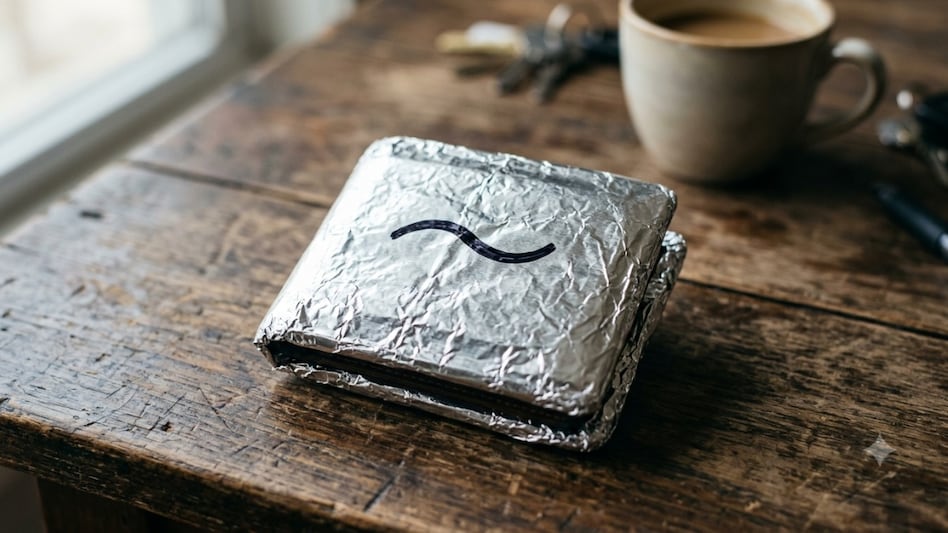
Trump Signals Trade War with EU Over Tech Giants' Fines
In a bold move, President Donald Trump announced on Friday that his administration would initiate a trade investigation ...
CNBC | Jul 24, 2026, 18:15