Tesla asks for $243 million verdict to be tossed in fatal Autopilot crash suit
Tesla has initiated a motion to contest a substantial verdict in a product liability and wrongful death lawsuit, which could impose a financial burden of $242.5 million on the company if not overturned or diminished. The electric vehicle manufacturer, led by Elon Musk, has requested that the verdict be nullified or that a new trial be conducted in the Southern District of Florida. Representatives from Gibson Dunn, the law firm advocating for Tesla in this appeal, contend that the compensatory damages awarded should be significantly lowered from $129 million to a maximum of $69 million. Should the previous verdict, which partially holds Tesla accountable for the tragic incident, remain intact, the company would face an obligation of $23 million in damages. The legal team also argues for the elimination or reduction of punitive damages, advocating that they should be capped at three times the compensatory amount due to Florida's legal statutes. This lawsuit centers around a fatal crash that unfolded in 2019 in Key Largo, Florida, involving George McGee, who was operating his Tesla Model S sedan with the Enhanced Autopilot feature engaged. During the trial, McGee recounted that he dropped his mobile phone and attempted to retrieve it, mistakenly believing that Enhanced Autopilot would autonomously apply the brakes in the event of an obstacle. Instead, McGee's Model S accelerated through an intersection at over 60 miles per hour, colliding with a parked vehicle and striking its owners, resulting in the death of 22-year-old Naibel Benavides and serious injuries to her partner, Dillon Angulo. Earlier this month, a jury in a Miami federal court ruled that Tesla should compensate the victims' families with a total of $242.5 million, part of a larger $329 million in damages deemed appropriate. In their appeal motion, Tesla's attorneys assert that the Model S was free from design flaws and argue that any alleged defects could not be attributed to the crash, which they assert was solely the result of driver error. The appeal emphasizes that as long as drivers remain in control of their vehicles, safety features may sometimes encourage reckless behavior in a few individuals, while providing enhanced safety for the majority. "Assigning liability to Tesla for offering advanced safety features simply because a driver ignored them contradicts Florida law," the motion states. Tesla has not yet provided any further comments regarding the matter. Brett Schreiber, the lead attorney representing the plaintiffs, expressed confidence that the court will uphold the original verdict. He emphasized that the ruling should not be interpreted as a condemnation of the autonomous vehicle sector, but rather a critique of Tesla's irresponsible development and implementation of its Autopilot system. Schreiber noted, "The jury comprehensively reviewed the evidence and reached the correct conclusion that this incident involved shared responsibility, yet it does not diminish the critical role of Autopilot and the company’s misleading claims about its capabilities in this tragic event."
Google Unveils Trio of New Gemini AI Models, Setting the Stage for Future Innovations
On July 21, Google introduced three new lightweight models to its Gemini AI lineup: Gemini 3.6 Flash, 3.5 Flash-Lite, an...
Business Today | Jul 22, 2026, 05:20
OpenAI Welcomes New Financial Minds to Its Leadership Team
OpenAI has announced the addition of two prominent financial professionals, David Vélez and Robin Vince, to its boards o...
CNBC | Jul 21, 2026, 21:25
Rumors of Anthropic's Acquisition of Robotics Firm Ignite AI Community
This year has been monumental for AI acquisitions, with companies like Anthropic and OpenAI aggressively expanding their...
TechCrunch | Jul 22, 2026, 03:45
Google Employees Rally for Enhanced Layoff Protections Amid AI Restructuring
In the face of widespread layoffs fueled by ongoing AI-driven transformations, anxiety is palpable among Google’s workfo...
Business Today | Jul 22, 2026, 07:05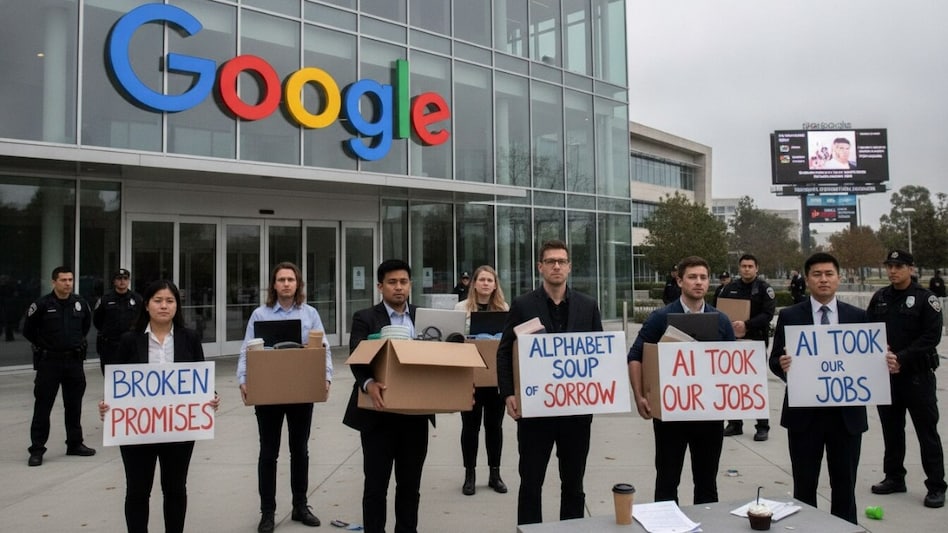
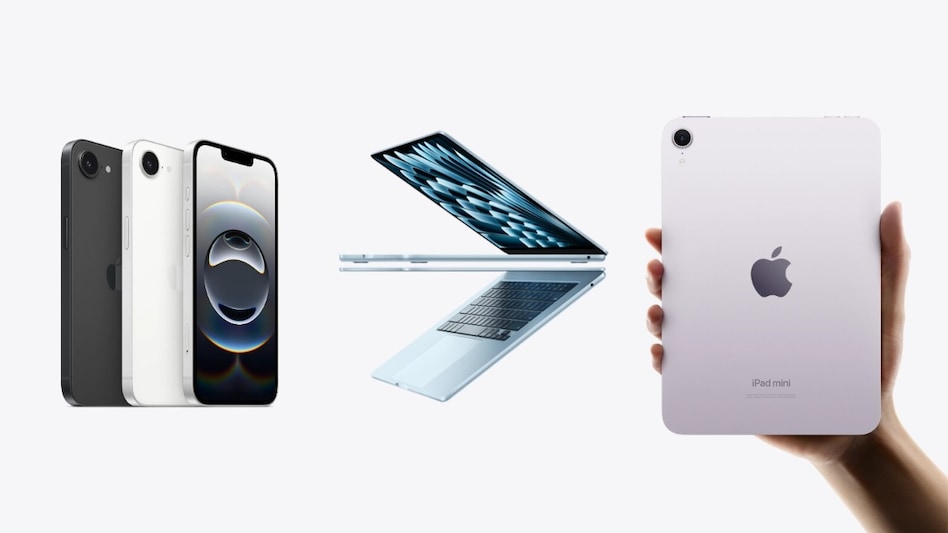
Apple Set to Introduce Flexible Upgrade Program for Devices
Apple is on the verge of launching an innovative program called the 'Apple Upgrade,' developed in collaboration with Kla...
Business Today | Jul 22, 2026, 04:25