
Tesla inks first deal to build China's largest grid-scale battery power plant
Tesla has announced its first agreement to establish a large-scale battery power plant in China, despite ongoing tensions between Beijing and Washington. The news was shared on the popular Chinese social media platform Weibo, indicating that this facility will be the largest of its kind in the country upon completion. Utility-scale battery energy storage systems play a crucial role in maintaining the balance of electricity supply and demand. As renewable energy sources like solar and wind become more prevalent, these systems are essential in addressing the fluctuations in energy availability. According to a report by Chinese media outlet Yicai, the deal, valued at 4 billion yuan (approximately $556 million), involves Tesla, the Shanghai local government, and China Kangfu International Leasing, as cited by Reuters. Tesla revealed that its Shanghai battery factory produced over 100 Megapacks—designed for large-scale energy deployment—in the first quarter of the year. Each Megapack has the capacity to supply 1 megawatt of power for four hours. In a statement on Weibo, Tesla described the upcoming grid-side energy storage station as a 'smart regulator' that can dynamically manage urban electricity resources. This innovation aims to alleviate urban power supply pressures and ensure a reliable and efficient electricity supply for cities. Once operational, this project is projected to become the largest energy storage initiative connected to the grid in China. Tesla's website indicates that each Megapack is priced at just under $1 million in the U.S., though pricing in China remains undisclosed. This agreement marks a pivotal moment for Tesla, particularly as it faces competition from Chinese firms like CATL and BYD, both of which have made significant advancements in battery technology and manufacturing, with CATL holding about 40% of the global market share. Furthermore, CATL is expected to supply battery cells and packs utilized in Tesla's Megapacks, according to Reuters. The significance of Tesla’s partnership with a Chinese local government is underscored by the backdrop of tariffs imposed by former U.S. President Donald Trump, which have complicated trade relations between the two nations. Tesla CEO Elon Musk's close ties with Trump during the trade war add another layer of complexity to the business landscape for U.S. automakers operating in China. The demand for grid-scale battery installations in China is substantial. In May of the previous year, Beijing announced a new goal to add nearly 5 gigawatts of battery storage capacity by the end of 2025, aiming for a total capacity of 40 gigawatts. Additionally, Tesla has been exporting its Megapacks to Europe and Asia from its Shanghai facility to meet the rising global demand. The International Energy Agency reported that global battery energy storage capacity surged by 42 gigawatts in 2023, nearly doubling the increase observed the previous year.
Acerpure Pro Classic AP352: The Affordable Air Purifier That Delivers
The Acerpure Pro Classic (AP352) emerges as a budget-friendly air purifier that aims to make clean air accessible to eve...
Business Today | Mar 08, 2026, 10:45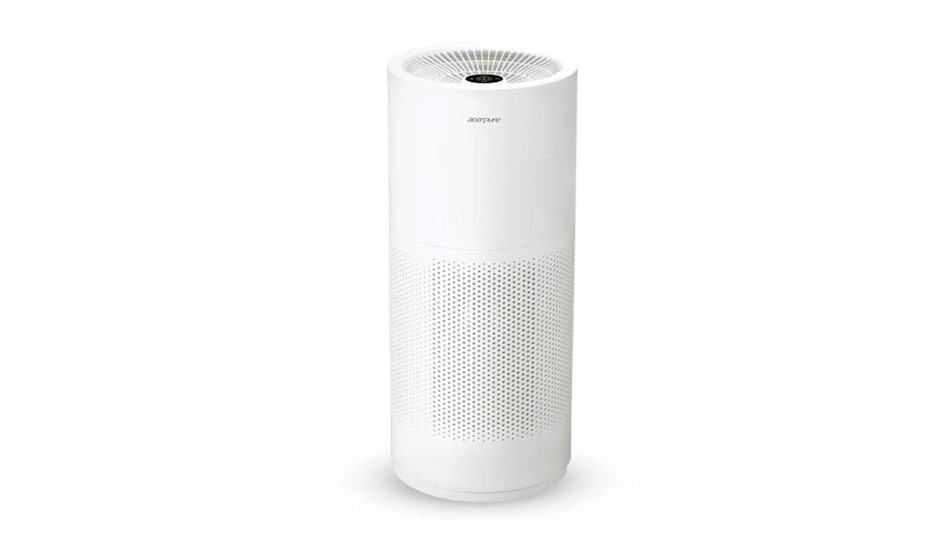
Apple Phases Out 15 Devices Amidst Exciting New Releases
In a strategic move between March 2 and March 4, Apple unveiled a host of next-generation products, including the iPhone...
Business Today | Mar 09, 2026, 06:15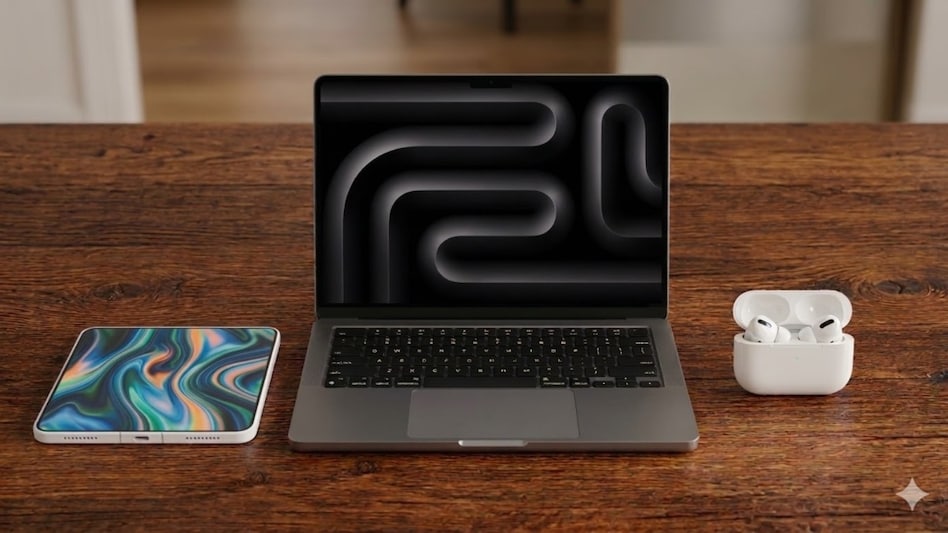
Bipartisan Effort Unveils Urgent Guidelines for Responsible AI Development
In the wake of recent tensions between the Pentagon and Anthropic, a bipartisan group of experts has crafted a crucial f...
TechCrunch | Mar 08, 2026, 06:30
Pentagon's Anthropic Dispute: A Wake-Up Call for Startups in Defense Tech?
In a dramatic turn of events, negotiations surrounding the Pentagon's use of Anthropic's Claude AI technology recently c...
TechCrunch | Mar 08, 2026, 20:30
Empowering Seniors: How a 78-Year-Old Embraces AI and Vibe Coding
Lewis Dickson, a 78-year-old retiree and former technology consultant, is redefining the narrative around aging and tech...
Business Insider | Mar 09, 2026, 24:00