Temple vs Apple Watch Series 12 vs Garmin Forerunner 970: Features, health tracking and price compared
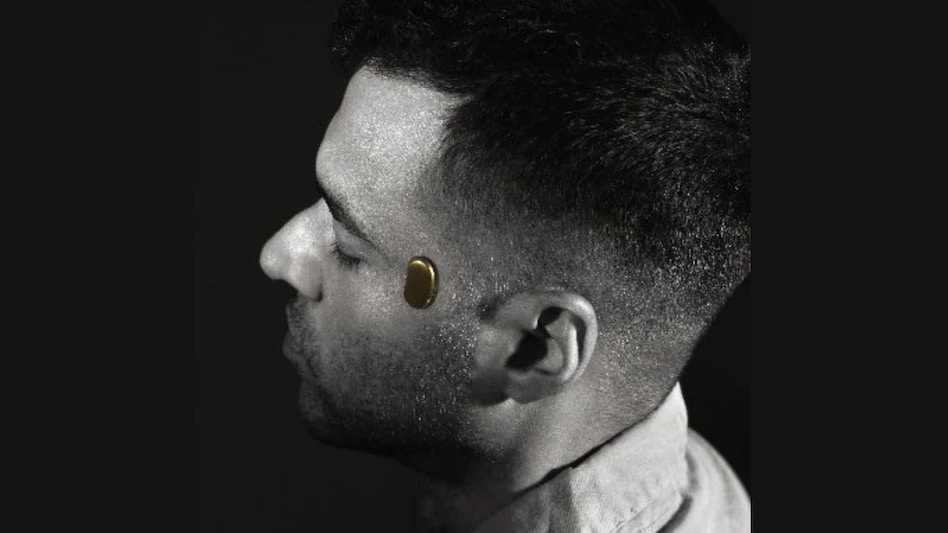
For those looking to monitor their heart rate, sleep patterns, workouts, and overall fitness, smartwatches from Apple and Garmin are popular choices. However, a new competitor, Temple, is redefining wearable technology with a unique design. Priced at ₹85,000, Temple is positioned against the forehead instead of the wrist, utilizing advanced optical sensors to capture physiological data. Its standout feature, BrainFlow, tracks changes in blood circulation signals near the brain, while its Entropy score estimates the body's physiological workload. Despite these features, Temple lacks a screen, GPS, and many functionalities typical of smartwatches from Apple and Garmin. The primary distinction of Temple lies in its sensor placement. It employs optical sensors positioned by the superficial temporal artery, contrasting with the wrist-based sensors utilized by the Apple Watch Series 12 and Garmin Forerunner 970. In addition to heart rate tracking, Temple’s BrainFlow and Entropy features provide insights into blood circulation and physiological effort, respectively. Meanwhile, the Apple Watch Series 12 boasts a comprehensive suite of health features, including heart-rate monitoring, ECG capabilities, blood oxygen tracking, sleep analysis, and temperature sensing. The Garmin Forerunner 970, tailored for athletes, excels in workout tracking, GPS functionality, training readiness assessments, recovery insights, and running performance metrics. Temple has also made claims regarding its heart-rate monitoring accuracy. In an internal study involving 43 healthy participants, it reported an average error of just 1.18 beats per minute in comparison to a Polar H10 chest strap. By contrast, the Apple Watch Series 12 averaged an error of 1.94 bpm, while the Garmin Forerunner 970 had a higher error rate of 3.18 bpm. However, these results were derived from Temple's own testing and require independent verification. When it comes to pricing and battery life, Temple retails for ₹85,000 and can last up to four days on a single charge. The Apple Watch Series 12 starts at ₹56,900 and offers up to 24 hours of battery life, whereas the Garmin Forerunner 970 is priced at ₹92,990 with a remarkable 15-day battery life in smartwatch mode. However, the cost is just one factor to consider. Temple lacks traditional smartwatch features such as a display, call functions, notifications, third-party app support, and built-in GPS. This means it cannot serve as a conventional smartwatch or assist in tracking outdoor activities. In contrast, the Apple Watch provides a more holistic everyday experience with smartphone connectivity and extensive health monitoring capabilities, while Garmin caters specifically to those engaged in running, cycling, or structured training routines. Ultimately, Temple is geared towards individuals seeking specialized physiological tracking rather than an all-encompassing smartwatch. At ₹85,000, its value hinges on the practicality and reliability of its unique measurements in everyday scenarios.
Nvidia's Board Shake-Up: The High-Stakes Return of Jensen Huang
Nvidia's CEO Jensen Huang has received unwavering support from longtime board members Tench Coxe, Mark Stevens, and Harv...
CNN | Nov 24, 2026, 23:00
Electric Truck Innovator Harbinger Secures Major Funding from Erebor Bank
Harbinger, an emerging player in the electric truck industry, has secured a significant financial boost from Erebor Bank...
TechCrunch | Nov 24, 2026, 18:00
Jensen Huang's Remarkable Comeback: A Look at Corporate Resurgences
Jensen Huang has made headlines with his return to the helm of Nvidia on November 23, merely 11 days after stepping down...
Business Today | Nov 24, 2026, 20:15
Nvidia's Jensen Huang Addresses Employees Amid Controversy and Personal Growth
In a recent company-wide meeting, Nvidia CEO Jensen Huang expressed his remorse to employees following a tumultuous peri...
CNN | Nov 24, 2026, 20:05
Navigating the AI Job Landscape: Challenges and Opportunities Ahead
The landscape of employment is undergoing a significant transformation as artificial intelligence (AI) permeates various...
Business Insider | Nov 24, 2026, 22:40