
Goenka warns, ‘imagine Trump bans India from using Google’; Vembu pitches idea
Harsh Goenka, Chairman of the RPG Group, has raised alarms about the potential ramifications if former President Donald Trump were to impose a ban on India's access to major U.S. technology platforms such as Google and Instagram. In a thought-provoking post on the social media site X, Goenka warned, "Imagine if Trump bans India from using U.S. tech platforms—no X, Google, Instagram, Facebook, or ChatGPT. Frightening, isn't it? We need to seriously contemplate the consequences and consider what our Plan B would be." Supporting Goenka's sentiments, Sridhar Vembu, founder of Zoho, emphasized the urgency of reducing dependency on foreign technology through a dedicated National Mission for Tech Resilience. In his response to Goenka's post, Vembu stated, "I agree. Our technology dependency extends far beyond apps; it includes operating systems, chips, and fabrication facilities. We need a robust ten-year plan to enhance our tech resilience, and it is achievable." These comments come at a time when there is a growing push for homegrown Indian applications. Recently, Zoho's offerings, such as Arrattai and Zoho Mail, have been gaining traction as viable alternatives to platforms like WhatsApp and Gmail. In a show of support for Indian brands, Union Home Minister Amit Shah and other officials have opened accounts with Zoho Mail. Following the success of Arrattai, Zoho also launched Vani on October 1, 2025, an innovative collaboration platform designed to enhance the way distributed teams work together, similar to Google Workspace. Reactions on social media to Goenka's warnings have been mixed. Some users expressed optimism about the possibility of Indian alternatives to major tech platforms. One user remarked, "I look forward to the day when U.S. tech companies begin to worry about attracting talent from India. True independence will be achieved then. As you mentioned, this issue can't be viewed in isolation; the supply chain dependencies are more intricate than those in automotive and pharmaceuticals." Others voiced skepticism, suggesting that a consortium of private companies could work on this initiative, collaborating with colleges and R&D labs to retain young talent closer to home. However, one user doubted the likelihood of such a ban occurring in the near future, arguing, "Trump is a businessman; he wouldn't jeopardize America's largest tech market—India. While tech independence is crucial, this reasoning seems flawed." As the conversation unfolds, the call for tech self-sufficiency continues to grow stronger in India, reflecting a desire for innovation and independence in the digital age.
Private Space Startups Take on Orbital Reconnaissance for U.S. Military
In a groundbreaking development, private companies are stepping up to tackle the complexities of orbital reconnaissance,...
TechCrunch | Jul 02, 2026, 23:25
Anand Mahindra Advocates for AI's Future Focus on Application Layer
As nations and corporations invest significantly in developing advanced artificial intelligence systems, Anand Mahindra ...
Business Today | Jul 02, 2026, 17:00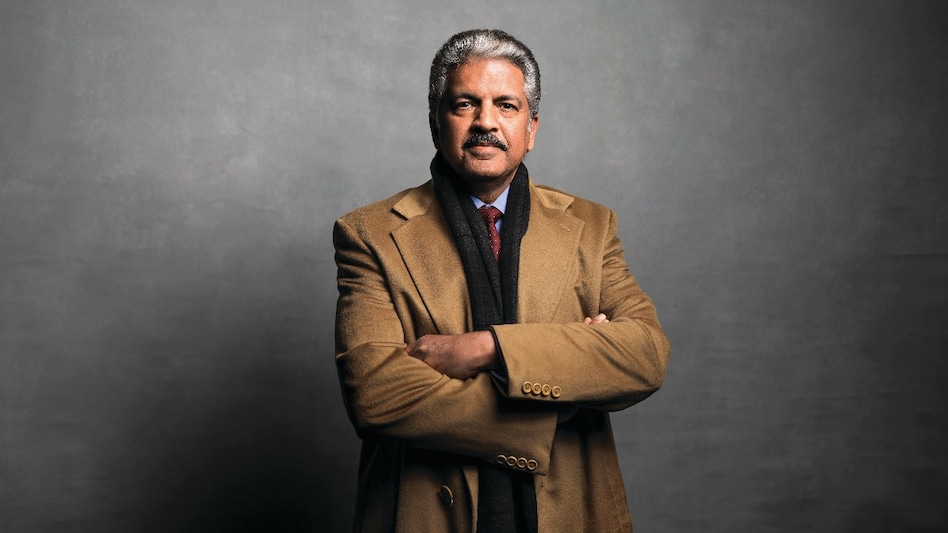
Meta's AI Ambitions Stalled: Zuckerberg Expresses Concerns Over Progress
At a recent internal town hall meeting, Meta's CEO Mark Zuckerberg shared his disappointment regarding the pace of devel...
TechCrunch | Jul 03, 2026, 24:00
AI's Transformative Future: Sam Altman Calls for Global Collaboration
In a compelling op-ed for the Financial Times, OpenAI CEO Sam Altman has painted a vivid picture of the future of artifi...
Business Insider | Jul 02, 2026, 16:20OpenAI's Ambitious Equity Donation Proposal Aims to Foster AI-Driven Growth
Sam Altman, the CEO of OpenAI, has put forth an intriguing proposal to allocate 5% of the company's equity to a U.S. sov...
TechCrunch | Jul 02, 2026, 15:40