
Tech investors loved this earnings season — but the Iran war is piling pressure on the companies powering the...
This earnings season has seen an ongoing surge in the AI sector, yet the companies that supply the essential hardware are sounding alarms about the impact of the escalating conflict in Iran on their operations. The turmoil in the Middle East has led to a sharp rise in oil prices and significant disruptions in supply chains critical to the technology industry. As tensions rise between the U.S. and Iran, shortages of key materials for chip manufacturing, particularly helium, are on the horizon. TSMC, a major producer of Nvidia chips, has already indicated that the situation is likely to affect its profitability, forecasting increased costs for certain chemicals and gases. Meanwhile, Foxconn, known as the largest contract electronics manufacturer globally, has highlighted the events in the Middle East as a significant hurdle for its operations this year. Chipmaker Infineon also warned that the ongoing conflict will drive up expenses related to precious metals, energy, and freight. Analyst Francisco Jeronimo from IDC has expressed concerns that the consequences could worsen as the year progresses. He noted, "We can expect further negative impact this year... the price of gas, energy, and freight are at an all-time high and are likely to remain elevated for several more quarters, even if tensions ease." Jeronimo added that even a ceasefire wouldn’t immediately resolve supply-side damage. The semiconductor industry is particularly vulnerable, with helium—a by-product of natural gas production—being critical for manufacturing processes. Qatar, the second-largest helium supplier, has seen its export capacity compromised due to Iranian military actions. Reports indicate that Qatar accounted for over 30% of the helium market in 2025, according to S&P Global. Additionally, access to other vital materials, such as bromine and aluminum, has also been hindered. As European chip buyers grapple with rising prices and are forced to rely on backup supplies due to air freight disruptions caused by the war, companies are recognizing the need to diversify their supply chains to mitigate risks. TSMC is proactively building inventory buffers and diversifying sourcing strategies to create a well-rounded global supplier network, according to CFO Wendell Huang. VAT Group, which provides components to chip manufacturers, reported supply chain challenges that necessitated rerouting shipments. Although it anticipates no significant impact on its 2026 projections, the company noted a hit of 20-25 million Swiss francs ($25.5 million to $32 million) in first-quarter sales due to the conflict. Sebastien Naji, an analyst at William Blair, emphasized that escalating energy costs pose an acute problem for manufacturers. He warned that the longer the conflict persists, the more pronounced the secondary and tertiary effects on component costs and overall AI data center economics will become. The challenges highlighted during this earnings season could merely be the initial signs of difficulties ahead if the U.S.-Iran standoff continues. As of now, there are no indications that a resolution between the U.S. and Iran is imminent, especially with President Donald Trump intensifying threats against Tehran. Japanese semiconductor testing equipment maker Advantest has described the current business climate as unpredictable due to concerns about escalating tensions that could negatively impact the global economy. Although immediate effects on earnings are limited, rising logistics costs and potential supply shortages are already emerging. Despite these challenges, the AI boom seems to be softening investor apprehension, with stock prices maintaining their upward trajectory. Michael Field, chief equity strategist at Morningstar, remarked that the recent gains among chip companies have overshadowed any disruption caused by geopolitical tensions. The Nasdaq's PHLX Semiconductor Sector Index, which includes the largest U.S.-traded chip firms, has surged by 41% in the last three months. Experts suggest that companies with strong safety stock, diversified sourcing, and pricing power will weather the storm of rising costs better than their counterparts. Those without such advantages may face mounting pressures throughout 2026.
Blinkit Rises to Challenge Amazon in E-Commerce Landscape
In an impressive leap forward, Blinkit has significantly increased its operational scale, with the cost to establish a s...
Business Today | Jul 24, 2026, 09:35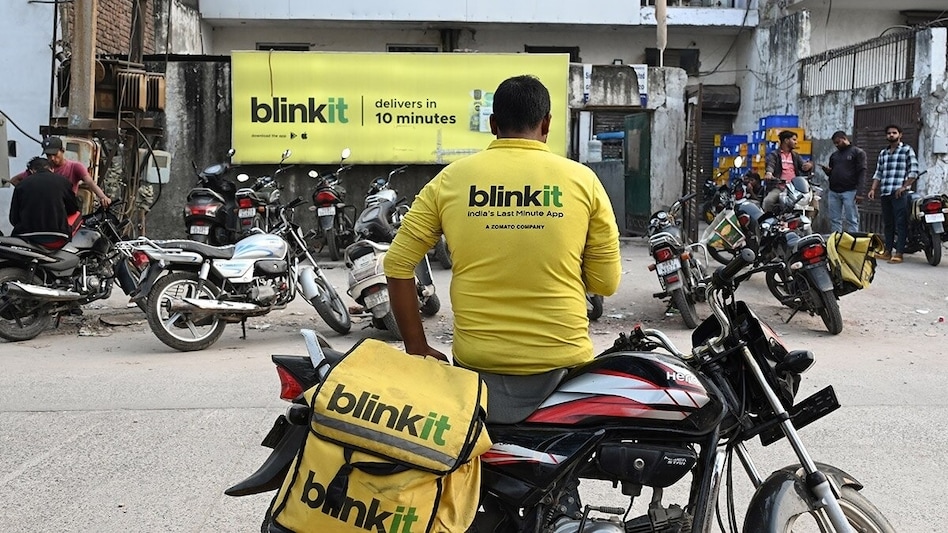
AI Guardrails: A Double-Edged Sword for Cybersecurity Researchers
In recent months, leading AI companies have implemented stringent regulations and vetted programs to curb potential misu...
TechCrunch | Jul 24, 2026, 01:15
Nvidia's Jensen Huang Calls for a More Balanced AI Narrative Amid Growing Public Concerns
In a recent interview, Nvidia's CEO Jensen Huang urged leaders in the artificial intelligence sector to adopt a more con...
Business Insider | Jul 24, 2026, 09:50Mobileye's Visionary Leader Transitions as Company Shifts Focus to Robotics and Robotaxis
Amnon Shashua, the founder and CEO of Mobileye, has announced his intention to step down from his leadership role after ...
TechCrunch | Jul 23, 2026, 23:15
Elon Musk Reflects on the Unexpected Acceleration of AI Development
Elon Musk has expressed that his initial efforts to curb the concentration of artificial intelligence power may have ina...
Business Insider | Jul 24, 2026, 04:15