'Chips are the future': Tata Sons' N. Chandrasekaran flags demand, management risks in India’s semiconductor push
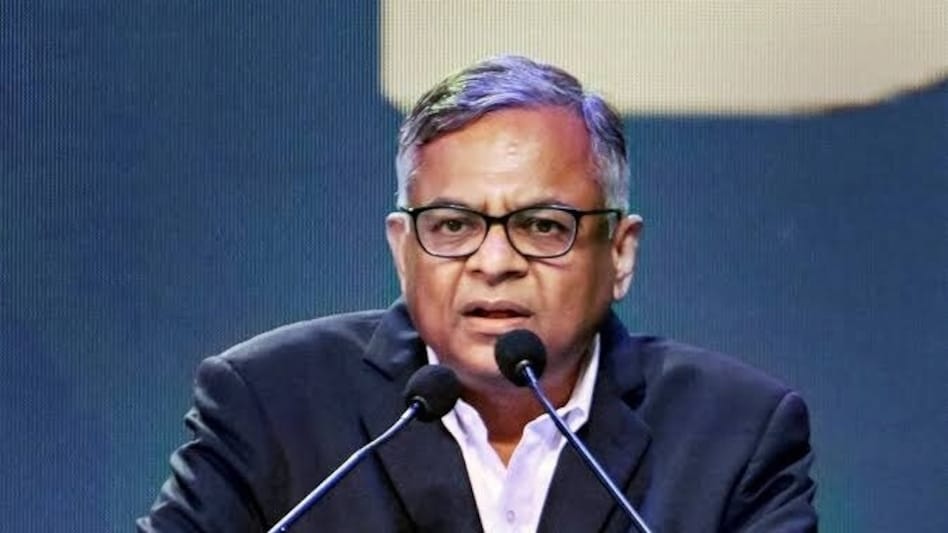
India stands on the brink of a transformative journey in the global semiconductor arena, buoyed by its skilled workforce and expansive domestic market. Natarajan Chandrasekaran, Chairman of Tata Sons, articulated this potential during a recent panel discussion at the Bloomberg New Economy Forum. He underscored the pivotal role that semiconductors will play in India's technological and industrial evolution, stating, "Chips are the future. Chips are going to be fundamentally required for domestic institutions." Chandrasekaran highlighted the strategic necessity of chip production as India aims to bolster its position within international technology supply chains. However, he urged companies to exercise prudence by carefully evaluating market demands and aligning their investments accordingly. "We have to also be careful because you need to keep an eye on management. We need to also see where the demand is," he noted, stressing the importance of ensuring that expansion efforts are commercially viable. As Tata Group pursues its ambitions in semiconductor production, significant investments are being made in various facets of manufacturing. Notably, Tata Electronics is establishing a semiconductor fabrication plant in Dholera, Gujarat, in collaboration with Dutch technology firm ASML. This partnership, formalized in May, aims to enhance India's domestic chip manufacturing capabilities. Additionally, Tata is developing a semiconductor assembly and testing facility in Jagiroad, Assam, projected to produce up to 48 million chips daily, catering to sectors such as automotive, telecommunications, consumer electronics, and AI-driven devices. Despite the optimistic outlook, Chandrasekaran's comments underscore the inherent challenges of scaling the semiconductor sector. Expanding manufacturing capacity necessitates significant financial investments, making it crucial for companies to thoroughly assess demand and implement effective management strategies. During the discussion, he also touched on the broader implications of advancing technology, including concerns over potential misuse and the need to adapt labor markets in response to these changes. With the global landscape shifting, India's semiconductor initiatives are becoming increasingly vital as companies and governments seek to diversify supply chains and create resilient manufacturing ecosystems. While the country's domestic market and skilled labor force present lucrative opportunities, turning these advantages into sustainable industrial growth hinges on disciplined investment, market responsiveness, and strategic execution. Chandrasekaran's insights highlight the necessity of ensuring that semiconductor growth is driven by genuine market demand and sound management practices, rather than merely increasing production capacity.
Instagram Integrates AI Assistant Muse for Enhanced User Experience
In a significant move, Meta has announced the integration of its AI assistant, Muse, directly into Instagram's direct me...
TechCrunch | Nov 24, 2026, 17:25
Staggering Recovery Rates Highlight Digital Payment Fraud Challenges
The battle against digital payment fraud continues to be an uphill struggle for consumers, with official data revealing ...
Business Today | Nov 24, 2026, 09:30
Saudi Engineer Faces Legal Battle Over Alleged Espionage Using AI Tech
A Saudi engineer employed by OpenAI, Abdulrahman Alfozan, is at the center of a legal dispute as prosecutors allege he u...
Business Insider | Nov 23, 2026, 23:50Figma Engineer Files Lawsuit Claiming Workplace Harassment and Retaliation
A former engineer at Figma has initiated legal action against the design software firm and its CEO, Dylan Field, citing ...
TechCrunch | Nov 23, 2026, 23:15
Amazon's $7.5 Billion Acquisition of Decart: A Strategic Move in the AI Chip Landscape
In a significant development for the tech industry, Amazon has announced its acquisition of Decart, a startup specializi...
TechCrunch | Nov 24, 2026, 15:55