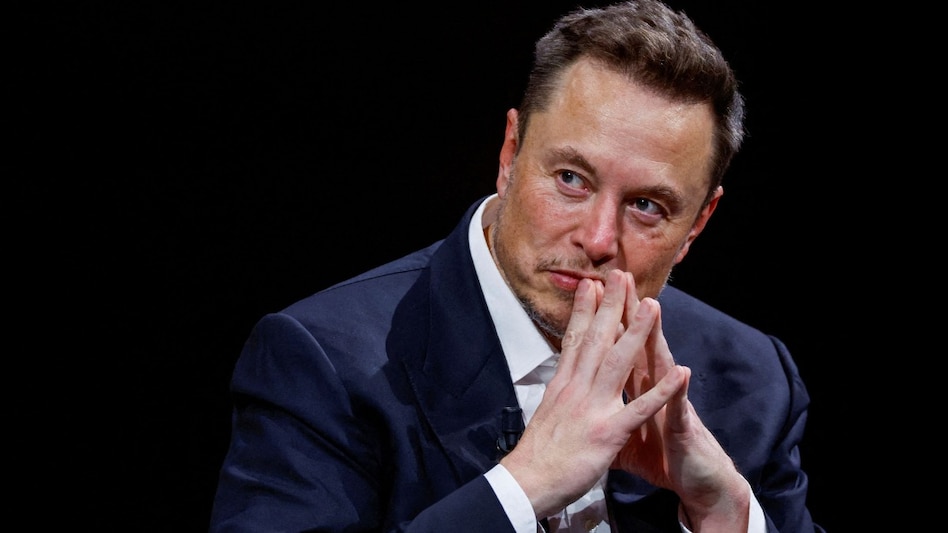
Starlink Mobile vs T-Mobile: Musk’s satellite strategy faces a new challenge
Elon Musk's vision to break into the mobile telecommunications market with Starlink is encountering skepticism from T-Mobile, one of the largest telecom providers in the United States. T-Mobile's CFO, Peter Osvaldik, has publicly downplayed the threat posed by Starlink Mobile, raising doubts about whether SpaceX's satellite-based approach can truly rival established cellular networks. Musk and SpaceX President Gwynne Shotwell have asserted that Starlink could mitigate mobile dead zones and enhance connectivity in areas lacking traditional cell towers. However, Osvaldik argues that satellite communication has inherent limitations, particularly in urban environments where buildings can obstruct signals. During the Citi 2026 Global TMT Conference, Osvaldik reiterated T-Mobile's stance, stating that they do not view Starlink Mobile as a significant competitor in the wireless arena. He criticized what he perceives as SpaceX's inconsistent strategy, suggesting that a traditional telecom company would not tolerate such frequent shifts in plans. SpaceX had unveiled its Starlink Mobile strategy during its earnings call earlier in August, emphasizing its potential to enhance connectivity in remote regions. With a fleet of around 650 satellites capable of direct-to-cell communication and a larger broadband constellation of over 10,000 satellites, SpaceX aims to carve out a niche in the market. Despite this, Osvaldik pointed out that Starlink's technology may struggle in densely populated areas. While the low Earth orbit satellites can connect with mobile phones, urban infrastructure poses a significant barrier to effective communication. SpaceX is exploring a secondary strategy involving femtocells, or small cell stations, which would utilize Starlink technology installed on buildings to provide direct connectivity to mobile devices. However, T-Mobile's CFO estimates that to provide coverage comparable to existing cellular networks, SpaceX would need an astounding one billion femtocells—an ambitious target that he believes is hard to envision. While Starlink may still serve as a viable option for users in remote locations, establishing a nationwide cellular network would require a far more extensive infrastructure investment, particularly if billions of small stations are necessary to meet demand.
Jio Unveils Exciting New Plans with Unlimited 5G Data for the New Year
Reliance Jio has rolled out its latest prepaid recharge offerings, dubbed 'Happy New Year 2.0', featuring unlimited 4G a...
Business Today | Nov 24, 2026, 10:20
Staggering Recovery Rates Highlight Digital Payment Fraud Challenges
The battle against digital payment fraud continues to be an uphill struggle for consumers, with official data revealing ...
Business Today | Nov 24, 2026, 09:30
Tidal Takes Bold Step Against AI Music Flood, Set to Remove Millions of Tracks
In a decisive move to combat the overwhelming influx of AI-generated music, Tidal announced on Tuesday its plans to ban ...
TechCrunch | Nov 24, 2026, 17:10
Amazon's $7.5 Billion Acquisition of Decart: A Strategic Move in the AI Chip Landscape
In a significant development for the tech industry, Amazon has announced its acquisition of Decart, a startup specializi...
TechCrunch | Nov 24, 2026, 15:55
Pinterest Empowers Parents with New Controls Over AI Content for Teens
This week, Pinterest unveiled an enhancement to its parental controls, introducing a feature that allows parents to regu...
TechCrunch | Nov 24, 2026, 16:25