
How the Supreme Court's decision affects Apple and its $3.3 billion tariff bill
Apple's financial landscape is set for a significant shift following a landmark ruling by the Supreme Court that dismantled a substantial portion of former President Donald Trump's tariff policies. This decision, announced on Friday, has the potential to reduce Apple's hefty tariff expenses, which have been averaging around $1 billion each quarter and totaling approximately $3.3 billion since the tariffs were first implemented. As a result of the ruling, Apple's shares saw a modest increase of about 1%. The company may now enjoy lower production costs, allowing it to retain a greater share of its profit margins. Additionally, this ruling alleviates some of the pressure on Apple to relocate its manufacturing operations from China, simplifying its complex supply chain. The tariffs primarily stem from U.S. import duties on products manufactured abroad, particularly from China, as well as other Asian countries like Vietnam and India. In a previous statement, CEO Tim Cook mentioned that Apple has been sourcing half of its iPhones for the U.S. market from India, while most of its other products, such as Macs and AirPods, have been produced in Vietnam, where tariffs were historically lower than those on Chinese goods. The Supreme Court's ruling effectively cancels Trump's tariffs on Chinese imports, which had reached a staggering 47% as of December. This opens the door for Apple to manufacture more products destined for the U.S. in China, instead of continuing the trend of shifting production to India and Vietnam. In past earnings calls, Cook has highlighted that Apple has been absorbing these tariff costs to prevent sudden price hikes for consumers. With the Supreme Court's decision, the U.S. government now faces the possibility of repaying over $175 billion to importers after the court ruled in a 6-3 decision that Trump's tariffs were imposed illegally. A pressing question remains: will Apple pursue reimbursement for the tariffs it has already paid, or will it choose to absorb these costs to maintain a positive relationship with the former president? In response to the ruling, Trump has not committed to refunding the companies impacted by the tariffs and has hinted at extended litigation over potential reimbursements. The tariffs have created tension between Trump and Cook, especially after the president expressed dissatisfaction with the idea of a U.S.-produced iPhone. Their relationship has been rocky, with Trump previously threatening to impose a 25% tariff on iPhones. In an effort to smooth things over, Cook showcased Apple's commitment to U.S. investment, announcing plans to invest $600 billion domestically over four years. Despite the Supreme Court's ruling, the future of tariffs remains uncertain. Just hours after the decision, Trump indicated plans to enact a new 10% global tariff under Section 122 of the Trade Act of 1974, which could introduce further complexities for companies like Apple. This section allows for a temporary tariff that lasts only 150 days without congressional approval for extension. Furthermore, the administration is exploring potential unfair trade practices under Section 301, which could lead to additional tariffs down the line.
Volkswagen Engineers Indicted for Insider Trading Linked to Rivian Partnership
In a significant legal development, the U.S. Department of Justice has brought securities fraud charges against two engi...
TechCrunch | Jul 24, 2026, 20:30
Legal Battle Erupts Over 'Duress' Password in Groundbreaking Data Wiping Case
The U.S. Justice Department has initiated legal proceedings against a Georgia resident, Samuel Tunick, who is accused of...
TechCrunch | Jul 24, 2026, 18:25
Prentis: Ambitious New AI Lab Eyes $100 Million Funding with Innovative Automation Goals
Prentis, a cutting-edge AI research laboratory co-founded by Ritankar Das, Reid Hoffman, and Marc Pincus, is currently i...
TechCrunch | Jul 24, 2026, 22:45
Unlocking the Secrets of Quantum Gravity: Can AI Help Physics Make a Leap?
The realm of scientific research is undergoing a profound transformation, fueled by the rapid advancements in artificial...
Business Today | Jul 25, 2026, 24:30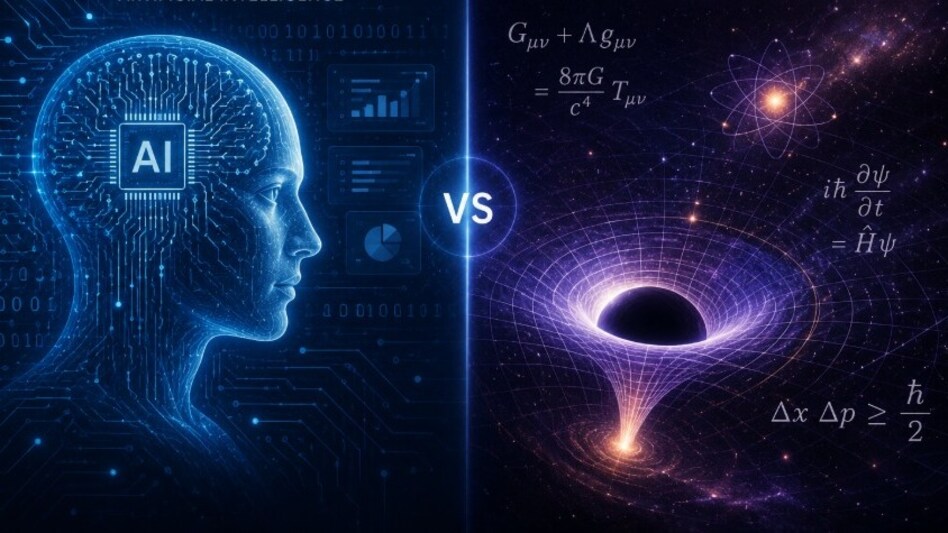
Cognition Acquires Poke: Redefining AI Interaction for Enhanced Productivity
Poke, the friendly AI assistant that users interact with as if chatting with a friend, is set to embark on a new journey...
TechCrunch | Jul 24, 2026, 18:25