Sundar Pichai Is Google’s AI ‘Wartime CEO’ After All
In the wake of OpenAI's ChatGPT launch in November 2022, many speculated about the reasons behind Google's initial stumble in the AI arena. Critics pointed to Alphabet Inc.'s cumbersome corporate culture, suggesting it had rendered the company too complacent for the fierce competition. Others believed that an overprotective approach to safeguarding its advertising revenue had hindered the company's innovation, leading to a 'code red' scenario that exposed Google to potential disruption. Questions surrounding Sundar Pichai's leadership emerged, with some doubting whether the soft-spoken CEO could embody the 'wartime CEO' persona that Google required. However, that skepticism has faded recently as Alphabet has emerged as a strong performer among the so-called Magnificent Seven stocks, even surpassing Nvidia in growth. This turnaround is largely attributed to Pichai's strategic vision, which transformed the arrival of ChatGPT into a pivotal moment for Google—a 'Pearl Harbor moment' that clarified the urgency for the company to fully engage in the AI race. Pichai's decisive restructuring of the company allowed him to leverage the expertise of DeepMind founder Demis Hassabis, turning what could have been seen as a threat into one of his greatest assets. Despite some initial missteps, including the hurried launch of Bard—now known as Gemini—Pichai's leadership has proven resilient. Early critiques from within Google highlighted the chatbot's shortcomings, with some employees labeling it 'worse than useless.' Despite these challenges, Pichai's approach has begun to yield results. Google Cloud has reported impressive growth, achieving a 30% year-on-year increase for the second consecutive quarter, bolstered by the integration of AI capabilities and proprietary hardware. Far from undermining Google's traditional business model, AI advancements have expanded it; the latest earnings report revealed a 15% increase in quarterly search advertising revenue, reaching $56.6 billion. The introduction of the Gemini AI app has also been a game-changer, attracting 650 million monthly active users and generating more than 5 billion images through its popular 'Nano Banana' feature. Additionally, Google's long-standing presence in education, owing to its widespread distribution of Chromebooks, positions it to engage new users with AI from an early age. Pichai's vision extends beyond current offerings. Google has a wealth of untapped potential in combining its various services—like Maps, Gmail, and YouTube—to create a personalized AI assistant capable of understanding users better than any competitor. Recently cleared by the courts, Google is now integrating AI features into its Chrome browser and Android platform, while potentially supplying AI capabilities to Apple's Siri in the future. As other AI companies explore new partnerships, Google's extensive capabilities, built over decades, provide it with a significant edge. If Pichai can successfully navigate the complex task of integrating these services, Google may solidify its position as the leading force in consumer AI, making it exceedingly difficult for competitors to catch up.
Z.ai Launches Affordable AI Coding Tool, Challenging Tech Giants
Z.ai, a rising Chinese startup, has introduced its latest innovation, ZCode, an AI coding tool that aims to disrupt the ...
Business Insider | Jul 02, 2026, 17:05Safety Whistleblower Allegations Rock Boeing's Wisk Aero
Wisk Aero, the electric air taxi enterprise under the Boeing umbrella, is facing serious allegations following a lawsuit...
TechCrunch | Jul 02, 2026, 17:40
Anand Mahindra Advocates for AI's Future Focus on Application Layer
As nations and corporations invest significantly in developing advanced artificial intelligence systems, Anand Mahindra ...
Business Today | Jul 02, 2026, 17:00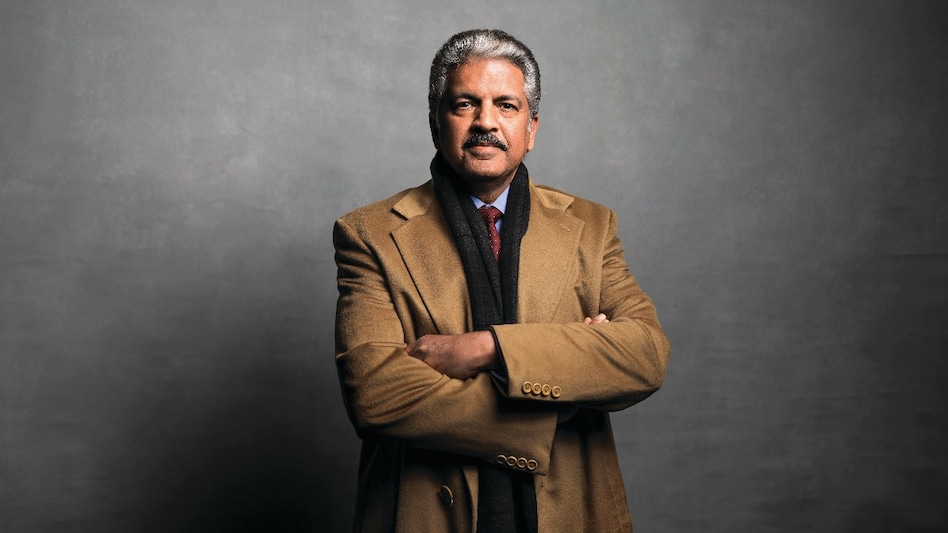
The Hidden Environmental Cost of Big Tech's Pursuit of AI
In recent sustainability reports released by Google and Amazon, alarming figures reveal the environmental toll of the te...
TechCrunch | Jul 02, 2026, 19:20
OpenAI Considers Government Stake Amid Rising AI Scrutiny
OpenAI, the creator of ChatGPT, is reportedly in discussions to offer the U.S. government a 5% equity stake in the compa...
Business Today | Jul 03, 2026, 07:20