Stephen Colbert explains one of his big hangups about AI-created art
Stephen Colbert has expressed his skepticism regarding the ability of artificial intelligence to create art that resonates on a human level. In a recent episode of the 'Possible' podcast, the host of 'The Late Show' shared his belief that while AI can replicate artistic styles, it will always be limited by the 'uncanny valley'—a phenomenon where creations appear almost, but not quite, human. Colbert emphasized that true art is inherently a human endeavor, rooted in the fusion of ideas and emotional experiences. He argued, "Art is by humans for humans about being human. It's not merely about ideas, as ideas are constructs, and humans are not constructs." He believes that art should evoke genuine emotional responses, something he feels AI struggles to achieve. Drawing a parallel between AI-driven experiences and processed food, Colbert suggested that while AI may produce technically proficient art, it often lacks essential elements that enrich human connection. He referred to these missing elements as 'micronutrients' of experience, which he believes are found in the imperfections and failures inherent to human interactions. Despite his reservations about AI in creative spaces, Colbert acknowledges the potential benefits of the technology in areas like healthcare. He noted that AI could provide valuable resources in underserved regions, suggesting that an AI-operated medical station might be preferable to having no medical assistance at all. However, he remains doubtful that AI can truly replicate the intimacy required in therapeutic settings. The conversation around AI's role in art and media has intensified, with Hollywood studios increasingly leveraging AI technology to enhance production and creative processes. For instance, Lionsgate announced a partnership with Runway to explore AI tools, while Amazon has introduced AI to generate TV recaps and invested in platforms that allow users to create their own shows. Netflix's co-CEO, Ted Sarandos, highlighted the efficiency of AI in visual effects, claiming that it enabled the completion of sequences in a fraction of the time it would take using traditional methods. However, the rise of AI in art has also sparked significant copyright concerns, leading to legal disputes involving major companies like Disney and NBCUniversal against AI firms. Despite the ongoing debate, OpenAI's CEO, Sam Altman, has defended AI-generated art as a positive force for creativity, arguing that it democratizes artistic expression by lowering barriers to entry. Nevertheless, ethical concerns regarding unauthorized use of AI remain prevalent, as exemplified by the lawsuit against Amazon MGM Studios related to its remake of 'Road House,' which allegedly involved the unauthorized use of AI to replicate actors' voices.
The Aluminum Foil Trend: A DIY Shield Against Wireless Identity Theft
Have you noticed an unusual trend where people are wrapping their wallets in aluminum foil? This peculiar practice has e...
Business Today | Jul 25, 2026, 02:45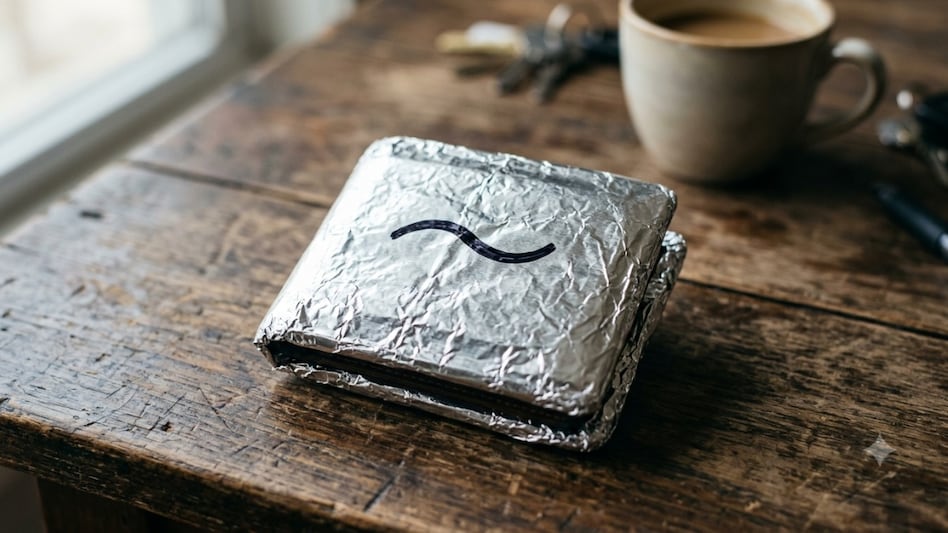
AI Transformations Lead to Major Job Cuts at Tech Giants
Monday.com, the innovative work management platform based in Tel Aviv, has recently announced significant layoffs, attri...
TechCrunch | Jul 26, 2026, 01:45
The Elusive Phineas Fisher: The Hacktivist Who Took Down Spyware Giants
In the realm of cybersecurity, few figures are as intriguing as Phineas Fisher, a hacker who has evaded capture for near...
TechCrunch | Jul 25, 2026, 21:00
Warner Bros. Takes Legal Action Against Amazon Over Executive Poaching Allegations
Warner Bros. Discovery has initiated legal proceedings against Amazon, accusing the tech giant of unlawful interference ...
TechCrunch | Jul 25, 2026, 21:25
Unleashing the Power of AI: The 5 Smartphones Redefining Mobile Photography
Artificial Intelligence (AI) is transforming our daily experiences, permeating various aspects of technology, including ...
Business Today | Jul 26, 2026, 07:05