How startups can lure good talent fairly without big tech bank accounts
Startups face a significant challenge in attracting top talent, especially as major tech firms like Meta and OpenAI offer eye-popping salaries in the booming AI sector. However, experts at TechCrunch Disrupt 2025 suggest that early-stage companies can still thrive by implementing a thoughtful and adaptable compensation strategy. Yin Wu, co-founder and CEO of equity management software firm Pulley, emphasized that startups shouldn't attempt to match the financial muscle of tech giants. Instead, they should focus on creating generous and equitable compensation packages. Wu advised, "You should be more generous than what you think you should be," regarding equity offerings. This approach becomes increasingly important if the startup achieves significant success, as founders may later regret not allocating enough equity to their early team members. Randi Jakubowitz, talent head at 645 Ventures, echoed this sentiment, suggesting that startups should establish clear performance goals for new hires to align compensation with accountability. She cautioned that failing to address underperformance promptly could lead to irrevocable equity losses if employees become fully vested without meeting expectations. The panelists agreed that startups do not need to finalize their compensation and equity strategies from the outset. Instead, they should ensure that their initial framework is fair, allowing for adjustments as the company grows. Wu noted that Pulley maintains a consistent range for each role, regardless of location, and aims for compensation packages that include equity offerings in the 90th percentile. Rebecca Lee Whiting, founder of Epigram Legal, highlighted the importance of these standards in preventing legal issues related to pay inequality, particularly regarding gender. She noted that maintaining fair compensation practices is not just an ethical obligation but a legal requirement in states like California. All three experts agreed that as long as founders approach their compensation strategies with fairness in mind, they can make necessary adjustments over time. Whiting advised that understanding what motivates prospective employees is crucial and that it’s acceptable for startups to refine their compensation structures after initial hires, especially as they evolve post-Series B funding.
Top 5 Tech Subscriptions to Slash Your Digital Expenses in 2026
As the costs of smartphones, streaming services, and cloud storage rise, many users are feeling the pinch of technology ...
Business Today | Jul 18, 2026, 05:10
Tech Investor Neil Rimer Advocates for Wealth Redistribution Amid AI Boom
During an engaging discussion at a tech festival in Athens, Neil Rimer, co-founder of Index Ventures, expressed a compel...
TechCrunch | Jul 18, 2026, 05:00
Anthropic Explores Major Computing Partnership with Meta
Anthropic is reportedly in early discussions with Meta to secure a lease for computing power, as confirmed by a source f...
CNBC | Jul 17, 2026, 16:55
Nvidia CEO's Iconic Leather Jacket Fetches Nearly $1 Million at Auction
Jensen Huang, the CEO of Nvidia, is known for his distinctive style, often sporting a leather jacket that has become his...
CNBC | Jul 17, 2026, 23:25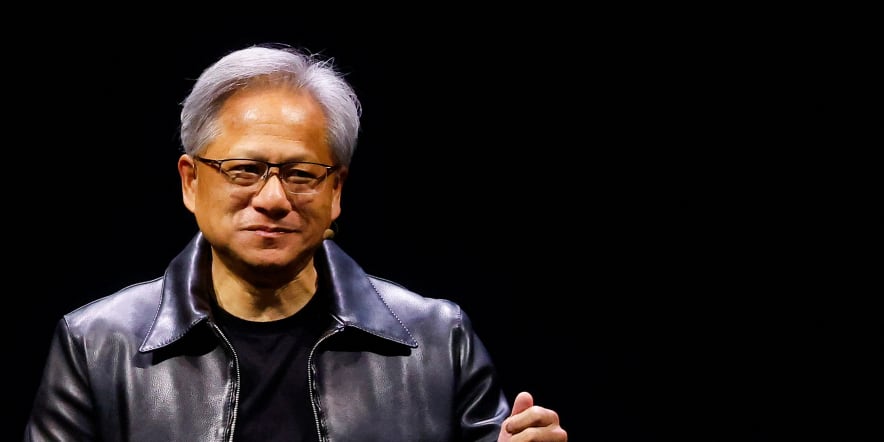
Anand Mahindra: AI Will Transform, Not Replace, India's IT Landscape
Anand Mahindra, Chairman of the Mahindra Group, has asserted that artificial intelligence (AI) will fundamentally transf...
Business Today | Jul 17, 2026, 16:20