
How startups could be affected by a prolonged government shutdown
The recent government shutdown in the U.S., which has now extended beyond its initial week, poses significant challenges for startups and the technology sector as a whole. Experts have highlighted that prolonged shutdowns can disrupt deal flow, delay visa processing for skilled workers, and create a host of other complications. This shutdown marks the first of its kind in seven years, and its unpredictable nature raises concerns among entrepreneurs and investors alike. Historical data shows that four of the eight government shutdowns since 1990 occurred during Donald Trump's presidency, with the last one lasting a record 35 days. Investors, founders, and legal experts have expressed worries about the ramifications of halted visa processing, particularly after a recent policy change that dramatically increased the H-1B visa application fee to $100,000, shocking many within the industry. A key concern for startups is the impact on immigration processes. Since the Department of Labor is part of the shutdown, approvals for H-1B visas and green cards are stalled. Immigration attorney Sophie Alcon noted that this freeze creates significant uncertainty for those dependent on these visas, including startup founders themselves. Michael Scarpati, CEO of fintech company RetireUS, echoed these sentiments, explaining that the shutdown risks leaving many skilled workers in limbo, which could disrupt the critical workforce that many startups rely on. Many tech professionals on work visas have families in the U.S., leading to anxiety about potential delays in processing and how these delays affect their residency status. Chris Chib, CEO of BlueFin Solves, emphasized the importance of supporting these engineers who contribute to innovation and complex problem-solving. Startups may also face delays in obtaining necessary permits and meeting regulatory requirements, which could jeopardize funding and lead to layoffs. Jenny Fielding from Everywhere Ventures expressed her concern over ongoing political instability, noting that while previous shutdowns had minimal economic impact, this one could result in job losses if extended. Fielding recounted how the timing of the shutdown coincided with her firm's fundraising efforts. Uncertainty from tariffs introduced earlier this year had already made investors cautious, and now the shutdown adds another layer of difficulty. She advised founders to be proactive and have contingency plans in place, especially as capital resources dwindle. Garima Kapoor, co-founder of the software startup MinIO, also cautioned that businesses in regulated sectors like fintech or healthcare could see transactions slow dramatically. She urged startups to prepare for potential long-term impacts of the shutdown, as even those not directly tied to the federal government could face decreased valuations and challenging market conditions. Overall, experts stress the importance of clear communication and strategic planning for founders during this tumultuous period. As Chris Chib put it, the resilience of these innovators is crucial for navigating the challenges ahead, and they must remain hopeful that this situation will eventually improve.
Moonshot AI's Yang Zhilin: The Millennial Visionary Shaking Up the AI Landscape
Yang Zhilin, the dynamic 34-year-old founder and CEO of Moonshot AI, is becoming a sensation on Weibo, China's bustling ...
Business Insider | Jul 22, 2026, 05:05Google Employees Rally for Enhanced Layoff Protections Amid AI Restructuring
In the face of widespread layoffs fueled by ongoing AI-driven transformations, anxiety is palpable among Google’s workfo...
Business Today | Jul 22, 2026, 07:05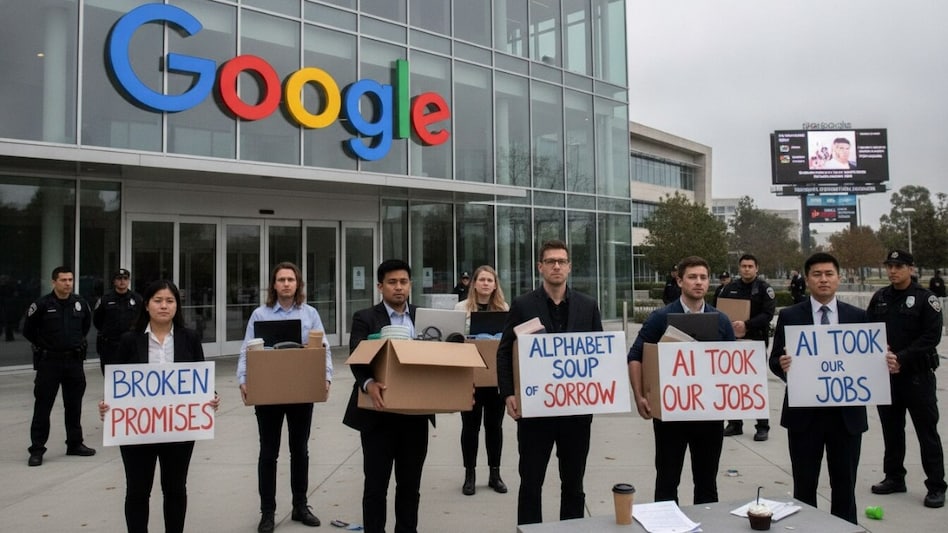
Nvidia Innovates AI Chip Sales with New Financing Model for Startups
Nvidia is making headlines with a fresh approach to selling its AI chips, particularly as it faces past criticisms relat...
Business Insider | Jul 22, 2026, 09:10Mercor CEO Urges Gen Z to Rethink Job-Hopping Habits
Brendan Foody, the 23-year-old CEO of AI training firm Mercor, has expressed concerns about the job-hopping tendencies o...
Business Insider | Jul 22, 2026, 09:30TSMC Faces Margin Pressures Amid U.S. Manufacturing Push
The push for American-made semiconductors is intensifying, with President Donald Trump’s administration exerting pressur...
CNBC | Jul 22, 2026, 05:15