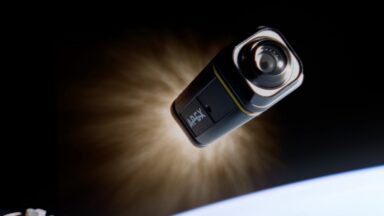
California startup to demonstrate space weapon on its own dime
A California-based startup is gearing up to showcase its capabilities in developing advanced space weaponry, part of a broader push by defense contractors to secure a share of the burgeoning market for missile defense systems. As the industry races to support the Pentagon's ambitious Golden Dome missile defense initiative, executives from various companies are eager to highlight their readiness to ramp up the production of satellites, sensors, and rockets. They echo the sentiments of Pentagon officials, asserting that the necessary technologies for an effective homeland missile defense system already exist. The primary hurdle lies in integrating these technologies into a cohesive and sophisticated command and control network. General Chance Saltzman, the top commander of the Space Force, has referred to the Golden Dome project as a “system of systems.” However, one critical component has drawn significant attention—the space-based interceptors intended to monitor missile launches from orbit. This concept harkens back to the Strategic Defense Initiative, often dubbed “Star Wars,” proposed by former President Ronald Reagan. Although the original program waned after the Cold War, the Golden Dome aims to revive the idea with a modern twist, featuring interceptors stationed in space to neutralize threats shortly after launch. While specific details regarding the number of interceptors needed remain undisclosed, estimates suggest that it could be in the thousands. Recently, the Defense Department issued a call for proposals to develop these space-based interceptors. The Space Force plans to collaborate with multiple contractors to create and showcase these technologies while also competing for potential rewards. In a unique procurement strategy, the Pentagon is encouraging companies to invest their own resources into building and launching these interceptors, with the prospect of securing a lucrative production deal later on. Among the contenders is Apex, a Los Angeles startup focused on rapidly producing satellites more efficiently than traditional aerospace firms. Having raised over $500 million from investors, Apex successfully launched its inaugural satellite in 2024, merely two years post-establishment. Additionally, the company secured a $46 million contract from the Space Force in February, committing to deliver an undisclosed number of satellites through 2032.
Google's Ambitious AI Chip 'Frozen v2' Set to Revolutionize Efficiency by 2028
Alphabet, the parent company of Google, is in the process of developing an innovative server chip aimed at enhancing the...
TechCrunch | Jul 20, 2026, 21:55
Resignation Shakes Trump’s AI Oversight as New Leader Steps Down
Chris Fall, who took the helm of the Center for AI Standards and Innovation (CAISI) just three months ago, has officiall...
TechCrunch | Jul 20, 2026, 22:55
Navigating Market Turbulence: Cramer Urges Caution in Tech Investments
In a recent discussion, CNBC's Jim Cramer expressed concerns about the current state of the artificial intelligence mark...
CNBC | Jul 20, 2026, 22:35
Colossal Biosciences Eyes Major Funding Boost Amidst De-Extinction Ambitions
Colossal Biosciences, the ambitious startup known for its efforts in de-extinction, is reportedly in discussions to secu...
TechCrunch | Jul 21, 2026, 24:10
AI Safety Leadership Shakeup: Chris Fall Exits After Brief Tenure
In a surprising turn of events, Chris Fall, the top AI safety official within the Trump administration, has stepped down...
Business Insider | Jul 20, 2026, 20:05