
Why SpaceX made a $17B bet on the direct-to-cell market
In a significant development in the ongoing spectrum competition, SpaceX has committed a staggering $17 billion to acquire substantial wireless airwaves from EchoStar, aiming to enhance its Starlink Direct-to-Cell services. This transaction marks SpaceX's aggressive intention to dominate the satellite-to-mobile phone sector. The deal, which comprises an equal split of $8.5 billion in cash and $8.5 billion in SpaceX stock, underscores the importance of spectrum—a limited resource crucial for wireless communication, encompassing everything from voice calls to GPS and satellite information. The U.S. government, through the Federal Communications Commission (FCC), regulates the division of spectrum into distinct bands. Given the finite number of usable frequencies, coordination among users is essential to prevent interference. Compounding the challenge, specific frequency ranges are particularly suited for mobile and satellite communications, leading to heightened competition for access. The FCC conducts auctions for long-term licenses, and major cellular bands have largely been acquired by national providers such as AT&T and Verizon, while established satellite operators like Iridium and Globalstar manage separate bands. In a pivotal move last year, the FCC introduced a new regulatory framework called Supplemental Coverage from Space, enabling satellites to extend the reach of terrestrial carrier networks legally. This framework allows satellite operators, in collaboration with existing carriers, to utilize the carrier’s spectrum to bridge wireless coverage gaps as an additional service. Following this, SpaceX rolled out its Direct-to-Cell service for T-Mobile customers as an exclusive add-on. With this agreement with EchoStar, SpaceX is no longer reliant on terrestrial partnerships for spectrum access; it has now become the license holder itself. While SpaceX traditionally focuses on launching rockets and satellites, it still needs collaboration with hardware manufacturers and carriers to connect with millions of end-users. CEO Elon Musk has even hinted at the possibility of creating a smartphone through his other venture, X, which recently merged with xAI. Musk has targeted Apple's partnerships with OpenAI, particularly related to their satellite services. In August, X and xAI initiated legal action against both companies, accusing them of anti-competitive practices. Apple's satellite features, such as Emergency SOS, rely on a partnership with Globalstar, and Apple has invested over $1.5 billion to enhance satellite services for iPhones. Analysts speculate that SpaceX’s latest acquisition may serve as a strategic maneuver to encourage Apple to collaborate with SpaceX rather than Globalstar. This isn't SpaceX's first display of strength in the spectrum competition; the company previously engaged in a protracted battle with Dish over the 12 GHz band intended for Starlink usage and raised concerns about Dish/EchoStar's underutilization of the AWS-4 band. Additionally, SpaceX and Kuiper have clashed in FCC discussions regarding interference regulations and spectrum sharing among competing satellite systems. Earlier this year, the FCC began formal proceedings to update satellite spectrum-sharing policies, prompted by a petition from SpaceX, with Kuiper and others backing the initiative.
The AI Revolution in Software Engineering: A Deep Dive into Change and Challenges
The landscape of software engineering is undergoing a seismic shift, driven by the rapid advancement of artificial intel...
Business Insider | Jul 22, 2026, 09:50Apple Set to Introduce Flexible Upgrade Program for Devices
Apple is on the verge of launching an innovative program called the 'Apple Upgrade,' developed in collaboration with Kla...
Business Today | Jul 22, 2026, 04:25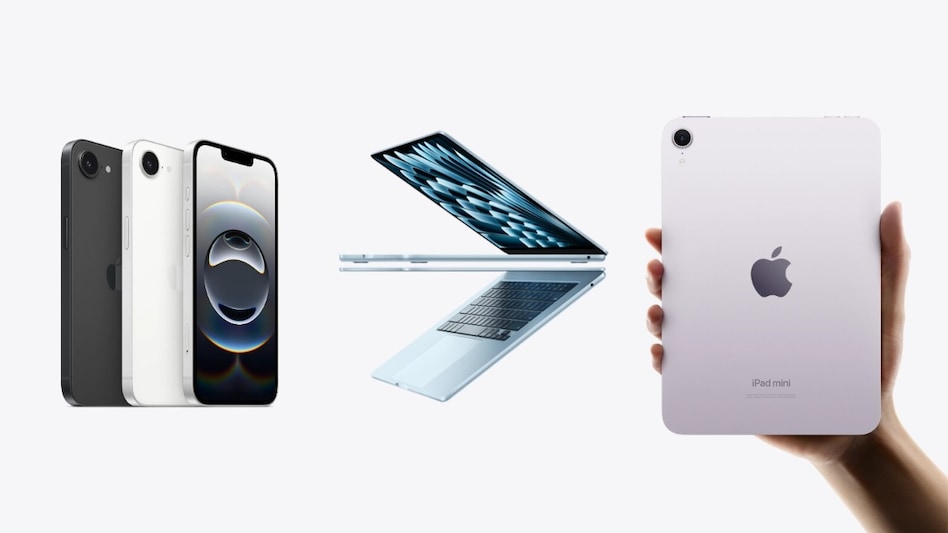
Nvidia Innovates AI Chip Sales with New Financing Model for Startups
Nvidia is making headlines with a fresh approach to selling its AI chips, particularly as it faces past criticisms relat...
Business Insider | Jul 22, 2026, 09:10Teen Arrested in ₹64 Crore AI-Driven Banking Scam: A Deep Dive into the Cyber Fraud Operation
In a significant breakthrough, Surat Police have apprehended an 18-year-old individual linked to a massive AI-fueled cyb...
Business Today | Jul 22, 2026, 08:25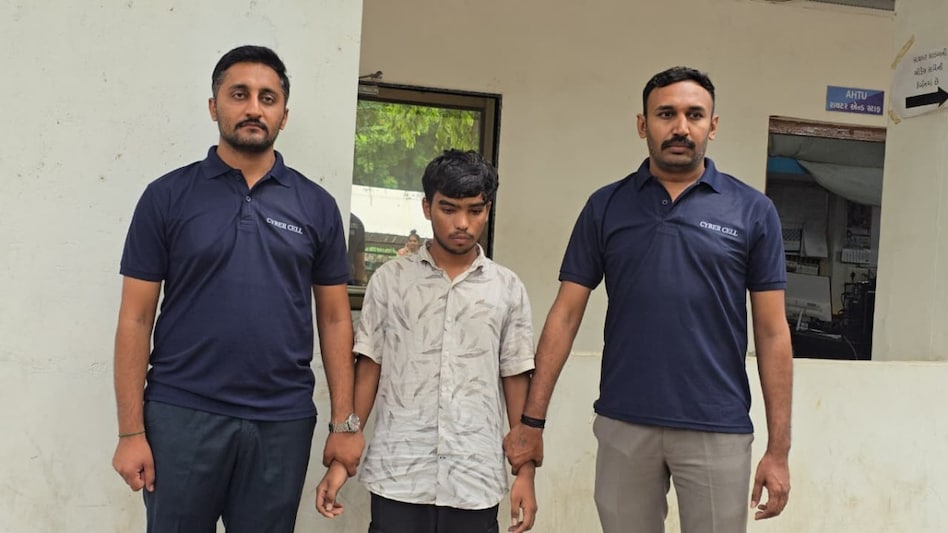
Dimension Capital Raises $800 Million Fund, Highlighting Growth in Science and Technology Investments
In a remarkable move amid a challenging fundraising environment for many emerging venture capital firms, Dimension Capit...
TechCrunch | Jul 22, 2026, 01:50