
Sortera is turning America’s scrap aluminum problem into cash
Recycling aluminum presents a unique opportunity due to its infinite reusability and lower energy costs compared to producing new aluminum. Despite this, only about one-third of aluminum used in the United States is recycled. A significant hurdle has been the efficient sorting of mixed aluminum scrap, a challenge that has perplexed the recycling sector for years. Michael Siemer, CEO of Sortera, believes his company has discovered the solution. Sortera has developed an advanced system capable of accurately separating various grades of aluminum with over 95% precision. This technological breakthrough could potentially tap into a vast, underutilized resource in the recycling landscape. The sorting process employs an AI model that analyzes different aluminum grades using data captured from lasers, X-ray fluorescence, and high-speed cameras. Each piece of aluminum scrap, roughly the size of a large potato chip, must be classified in a fraction of a second—specifically within ten milliseconds, which Siemer emphasizes is a significant timeframe for their operations. Once identified, precise air jets direct the individual chips into their designated bins. This speed and accuracy are crucial; traditional recycling methods require melting aluminum to determine its alloy type, which diminishes its value if not sorted properly. Siemer notes that many have aimed to tackle the challenge of unsorted aluminum, but success has been elusive until now. Achieving high sorting accuracy has also led Sortera to profitability. Siemer explains that margins increase exponentially above a 90% accuracy rate, with 95% yielding substantial profits. Since August, Sortera has operated profitably from just one facility in Indiana. To expand operations, the company has secured $20 million in equity and $25 million in debt to fund a new plant in Tennessee, which will mirror their Indiana location and is set to commence operations in early spring. The Indiana facility operates continuously, processing millions of pounds of aluminum monthly. The majority of scrap aluminum received comes from shredded automobiles, where the unique characteristics of different grades become evident during the shredding process, aiding the AI in classification. As Sortera grows, much of the recycled aluminum is expected to return to automotive assembly lines, as manufacturers increasingly turn to aluminum for its weight-reducing properties that enhance fuel efficiency. Siemer reveals that nearly every automotive manufacturer has visited their Indiana plant. While Sortera is exploring the processing of other metals like copper and titanium, its primary focus remains on aluminum for the foreseeable future. The company believes it could efficiently sort the 18 billion tons of aluminum produced annually in the U.S., ensuring that each pound is sold profitably within the market.
Unlocking the Secrets of Quantum Gravity: Can AI Help Physics Make a Leap?
The realm of scientific research is undergoing a profound transformation, fueled by the rapid advancements in artificial...
Business Today | Jul 25, 2026, 24:30
Vietnam's Controversial Social Media Proposal: A New Approach for Youth Engagement
Vietnam is contemplating a distinctive approach to youth social media regulations, diverging from the more common outrig...
TechCrunch | Jul 24, 2026, 21:25
Waymo to Launch Standalone App, Ending Exclusivity with Uber in Major Cities
For the past three years, Uber and Waymo, the autonomous vehicle division of Alphabet, have collaborated to provide driv...
CNBC | Jul 24, 2026, 21:55
The Aluminum Foil Trend: A DIY Shield Against Wireless Identity Theft
Have you noticed an unusual trend where people are wrapping their wallets in aluminum foil? This peculiar practice has e...
Business Today | Jul 25, 2026, 02:45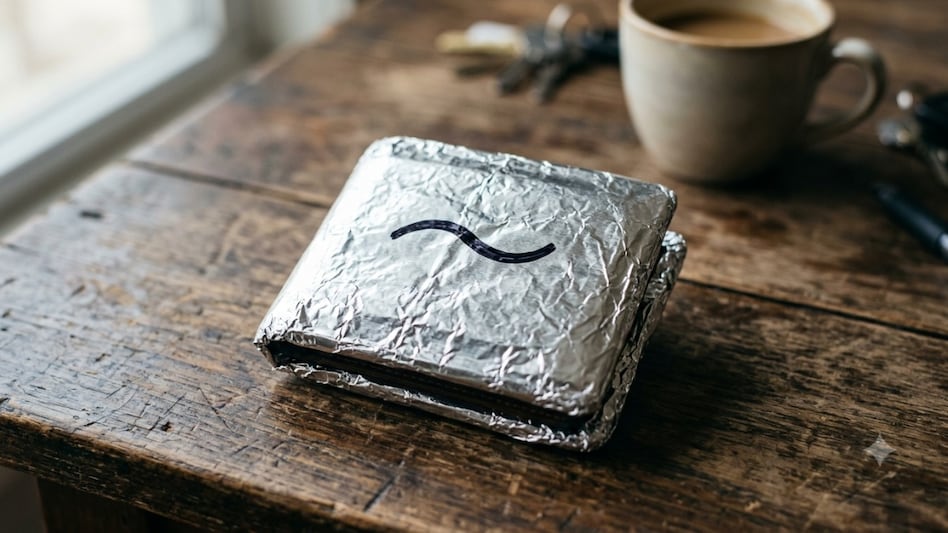
Volkswagen Engineers Indicted for Insider Trading Linked to Rivian Partnership
In a significant legal development, the U.S. Department of Justice has brought securities fraud charges against two engi...
TechCrunch | Jul 24, 2026, 20:30