There’s a global boom in solar—except in the United States
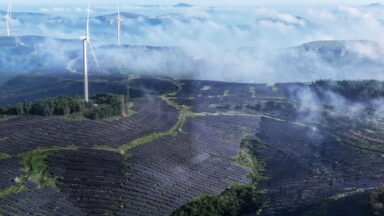
In the expansive Nevada desert, nestled between the Monte Cristo mountain range and Paymaster Canyon, a new wave of solar power development is taking shape. Modern investors are eager to transform a vast area, exceeding the size of Washington D.C., into a solar energy haven. This initiative aims to harness sunlight for electricity to energize air conditioning units in scorching Las Vegas and supply power to millions of homes and businesses across the region. However, a recent decision by federal land authorities has cast a shadow over this ambitious project. Earlier this month, approval for the Esmeralda 7 solar projects was withdrawn, sparking concerns among advocates that this move signals a broader rollback of renewable energy initiatives under the Trump administration. In a post on his Truth Social platform last August, Trump emphasized his stance against wind and solar developments, stating, "We will not approve wind or farmer destroying [sic] Solar." This new requirement for developers to submit individual applications will inevitably slow the pace of progress. In stark contrast, across the Pacific Ocean, China is experiencing a solar revolution of its own. The country has installed solar panels across an expanse comparable to Chicago on the Tibetan Plateau, where the high altitude allows for greater sunlight penetration. This initiative is part of China's ambitious plan to double its solar and wind generation capacity within the next decade. President Xi Jinping recently underscored the global shift towards greener energy at a UN summit in New York, stating, "Green and low carbon transition is the trend of our time." China's massive output of solar panels and batteries has significantly reduced the costs of renewable energy technology worldwide. According to Heymi Bahar, a senior analyst at the International Energy Agency, this situation has made it increasingly challenging for some regions to consider alternatives. The IEA's projections from 2010 anticipated a global solar capacity of 410 gigawatts (GW) by 2035. Today, that figure has surged to over four times the initial estimate, with approximately half of that capacity located in China. Countries in Africa and the Middle East, including oil-rich nations like Saudi Arabia, are also rapidly advancing their solar energy projects. Energy strategist Kingsmill Bond from the think tank Ember highlights solar power as an economically viable method for tapping into the sun's energy, stating, "It’s a very cheap way to harness the sun."
Luxury Meets AI: Inside Vertu's Premium Smartphone Experience
In the competitive landscape of smartphones, artificial intelligence has emerged as a key selling point. However, Vertu,...
TechCrunch | Jul 17, 2026, 23:25
Florida Man Arrested for Allegedly Using Malware-Infested Games to Steal Cryptocurrency
U.S. authorities have taken a significant step in combatting cybercrime with the arrest of a 21-year-old Florida residen...
TechCrunch | Jul 17, 2026, 16:45
Meta Explores AI Infrastructure Leasing Deal with Anthropic
Meta is currently in discussions with the AI startup Anthropic regarding the potential leasing of its extensive computin...
CNN | Jul 17, 2026, 21:15
Amazon Addresses AWS Billing Glitch Affecting Customers
On Friday, numerous users of Amazon's cloud services were taken aback by unexpected billing estimates indicating they ow...
TechCrunch | Jul 17, 2026, 15:50
Agility Robotics Expands Operations Near Tesla, Aiming for Humanoid Robot Leadership
Agility Robotics is set to launch a substantial 60,000-square-foot facility in Fremont, California, strategically locate...
TechCrunch | Jul 17, 2026, 20:35