How your solar rooftop became a national security issue
James Showalter, CEO of EG4 Electronics, paints a vivid picture of a potential security nightmare involving solar rooftops. Imagine an intruder breaking into your home network and tampering with your solar inverter, the device that transforms solar energy into usable power. While this scenario may seem far-fetched, it became a reality for many when the U.S. cybersecurity agency CISA issued a warning about vulnerabilities in EG4's solar inverters. CISA's advisory highlighted that these flaws could allow an attacker with network access to intercept sensitive data, install harmful firmware, or take complete control of the inverter system. For the approximately 55,000 customers affected, this revelation serves as a stark reminder that modern solar inverters have evolved beyond mere power converters; they are now integral components of home energy management, responsible for performance monitoring and communication with utility providers. The surge in residential solar installations is significant. According to the U.S. Energy Information Administration, such installations grew more than fivefold from 2014 to 2022, propelled by falling costs and greater environmental awareness. As more homes adopt solar technology, each installation adds another layer to the interconnected energy network, but also increases potential vulnerabilities. Showalter admits to his company's security shortcomings but insists that these issues are not unique to EG4; they reflect a broader industry problem. He presented a report detailing 88 vulnerabilities in solar energy systems since 2019, emphasizing the widespread nature of these security challenges. Customers have voiced their frustrations, with some taking to online forums to express their concerns about EG4's responsiveness and transparency. In light of CISA's findings, customers discovered alarming security flaws, including unencrypted data transmissions and inadequate authentication protocols. One dissatisfied customer expressed that the company failed to notify them of these issues or offer solutions, calling it a distressing oversight. Showalter described the situation as a "live and learn" moment, indicating that the company intended to resolve the concerns before informing customers. Compounding these worries are broader concerns regarding the security of renewable energy supply chains, particularly for equipment manufactured in China. Reports have emerged of undocumented communication devices found in inverters and batteries from Chinese suppliers, raising alarms about potential espionage risks. With major Chinese companies dominating the solar inverter market, the geopolitical implications are significant. In response to growing concerns, EG4 is shifting away from Chinese suppliers to those from other regions, including Germany. While the vulnerabilities in EG4's systems are troubling, they highlight systemic issues that extend beyond individual companies. The U.S. regulatory framework currently does not adequately govern the cybersecurity practices of residential solar systems, leaving many installations in a regulatory gray area. The lack of strict standards means that thousands of home solar setups depend on the discretion of manufacturers to ensure their security. As the energy grid becomes increasingly decentralized, the potential for vulnerabilities grows. Each residential inverter introduces another risk point, complicating the already intricate energy landscape. Showalter views CISA's intervention as a chance for EG4 to enhance its reputation in a competitive market. The company has been actively working to address the vulnerabilities identified by CISA, focusing on improving firmware protocols and enhancing customer support security. For many solar customers, this situation underscores the complexities of adopting what they believed to be eco-friendly technology. Instead, they find themselves navigating a complicated cybersecurity environment that few fully understand.
Google Unveils Trio of New Gemini AI Models, Setting the Stage for Future Innovations
On July 21, Google introduced three new lightweight models to its Gemini AI lineup: Gemini 3.6 Flash, 3.5 Flash-Lite, an...
Business Today | Jul 22, 2026, 05:20
Revolutionizing Training: Synthesia Launches AI-Powered Roleplay Sessions
Synthesia, a pioneering British startup, is taking a bold step beyond its traditional focus on creating interactive trai...
TechCrunch | Jul 22, 2026, 08:40
Nvidia's New Whitelist Strategy: Implications for AI Chip Access in India
AI chips have transitioned from niche computing components to critical assets that underpin technologies like generative...
Business Today | Jul 22, 2026, 10:15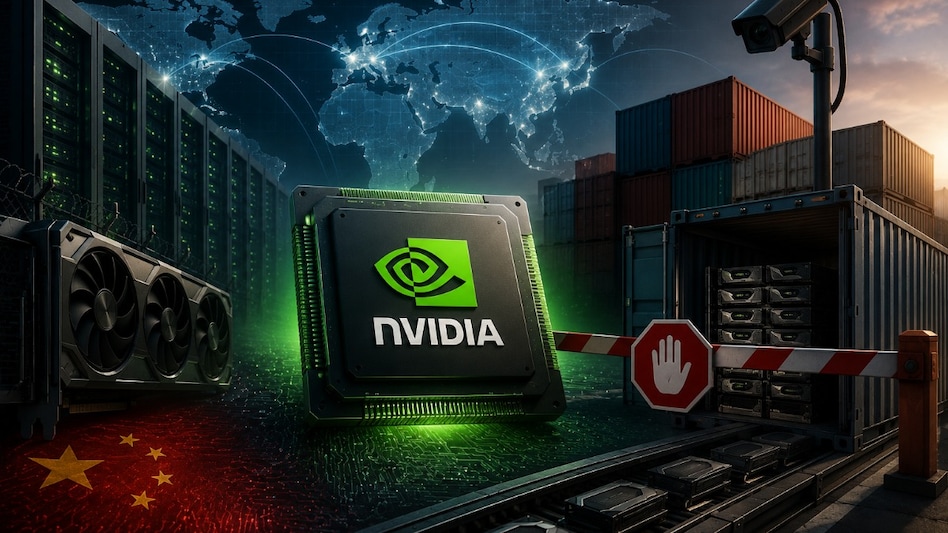
Mercor CEO Urges Gen Z to Rethink Job-Hopping Habits
Brendan Foody, the 23-year-old CEO of AI training firm Mercor, has expressed concerns about the job-hopping tendencies o...
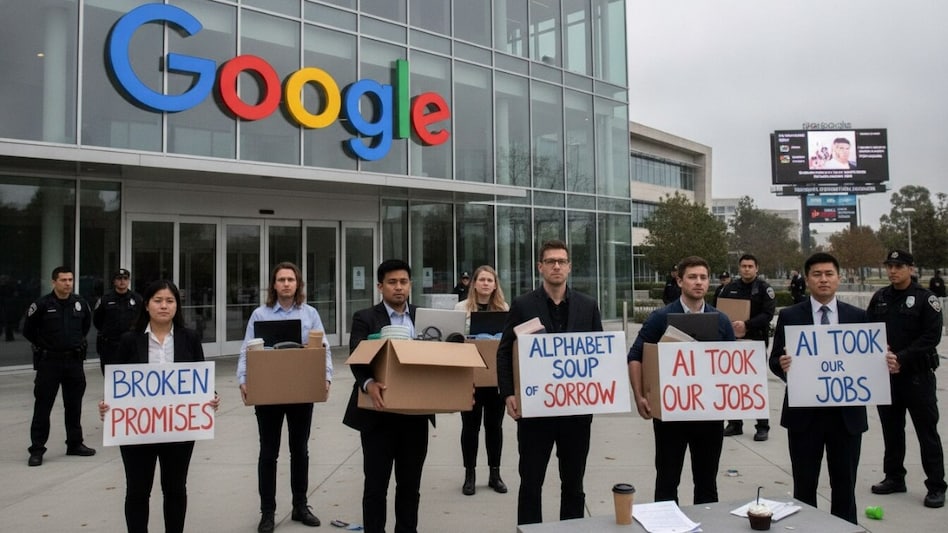
Business Insider | Jul 22, 2026, 09:30Google Employees Rally for Enhanced Layoff Protections Amid AI Restructuring
In the face of widespread layoffs fueled by ongoing AI-driven transformations, anxiety is palpable among Google’s workfo...
Business Today | Jul 22, 2026, 07:05