
AI memory prices may shoot up by 55% in 2026 — Here's why
As we approach the end of the year, a significant shortage of memory and RAM is anticipated for computers and smartphones, primarily driven by the booming demand for artificial intelligence technologies. Industry giants such as Nvidia, Advanced Micro Devices, and Google are competing fiercely for essential components, resulting in a supply crunch, according to a report by CNBC. Samsung Electronics, Micron, and SK Hynix, the key players in the RAM market, are witnessing an unprecedented increase in demand. Micron's business chief, Sumit Sadana, highlighted the stark imbalance between demand and supply, stating, "We have seen a very sharp, significant surge in demand for memory that has far outpaced our ability to supply it and, in our estimation, the supply capability of the whole memory industry." The financial performance of these companies reflects this surge. Micron's shares have skyrocketed by 247% over the past year, and their latest quarterly report revealed a tripling of net income. Similarly, Samsung projected operating profits to triple in the upcoming December quarter. Meanwhile, SK Hynix is considering a stock listing in the US and has assured its RAM capacity demand for 2026. This rising demand is set to impact memory prices significantly, with research firm TrendForce predicting a potential increase of 50% to 55% in DRAM memory prices for the current quarter compared to late 2025. Companies like Nvidia are utilizing high-bandwidth memory (HBM) in their GPUs, which requires considerably more memory compared to traditional devices. According to Sadana, the production of HBM results in a reduced availability of conventional memory, creating a tighter market for non-HBM memory. Tom Hsu, a TrendForce analyst, noted that HBM manufacturers are prioritizing AI companies due to their growing demand and the fact that cloud service providers are less sensitive to pricing fluctuations. This situation raises concerns for major tech firms like Apple and Dell, which are now under scrutiny regarding how they will tackle the memory shortage. Hsu indicated that memory now constitutes approximately 20% of hardware costs for laptops, a noticeable increase from 10-18% earlier this year. Despite some reassurances from Apple’s finance chief about a manageable increase in memory prices, Dell has acknowledged that their overall product costs are expected to rise due to the memory shortfall. Sadana emphasized that Micron can only meet two-thirds of the medium-term memory requirements this year, leaving them "sold out for 2026."
Australia Gears Up for Startup Showdown: Meet the Judges Who Will Shape the Future
The excitement is building as TechCrunch Startup Battlefield makes its way to Australia, in collaboration with Stripe, t...
TechCrunch | Jul 24, 2026, 24:30
Blinkit Rises to Challenge Amazon in E-Commerce Landscape
In an impressive leap forward, Blinkit has significantly increased its operational scale, with the cost to establish a s...
Business Today | Jul 24, 2026, 09:35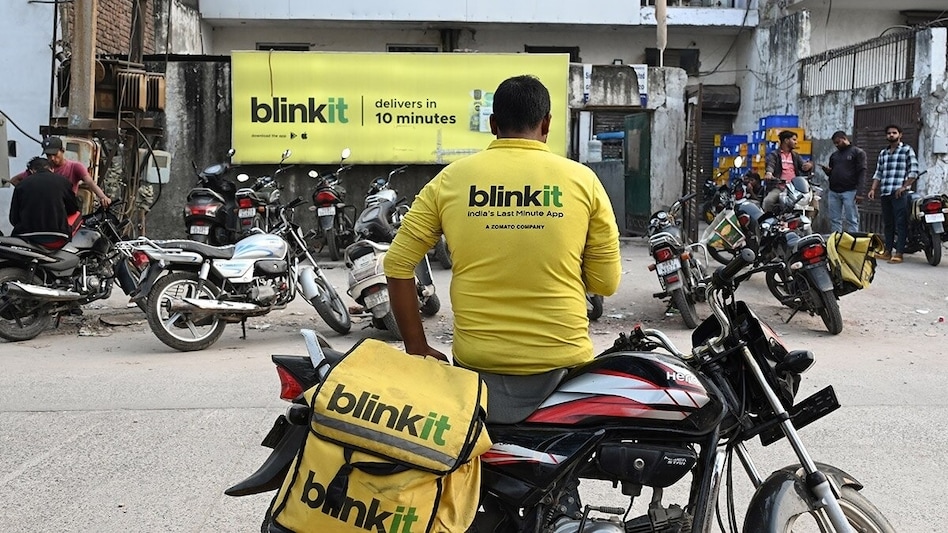
Mobileye's Visionary Leader Transitions as Company Shifts Focus to Robotics and Robotaxis
Amnon Shashua, the founder and CEO of Mobileye, has announced his intention to step down from his leadership role after ...
TechCrunch | Jul 23, 2026, 23:15
Elon Musk Reflects on the Unexpected Acceleration of AI Development
Elon Musk has expressed that his initial efforts to curb the concentration of artificial intelligence power may have ina...
Business Insider | Jul 24, 2026, 04:15Divorce Drama: Tech Mogul's Ex-Wife Faces Setback in AI Wealth Battle
The surge in wealth from the booming AI industry is reshaping fortunes, yet the former spouse of one of South Korea's le...
CNN | Jul 24, 2026, 05:45