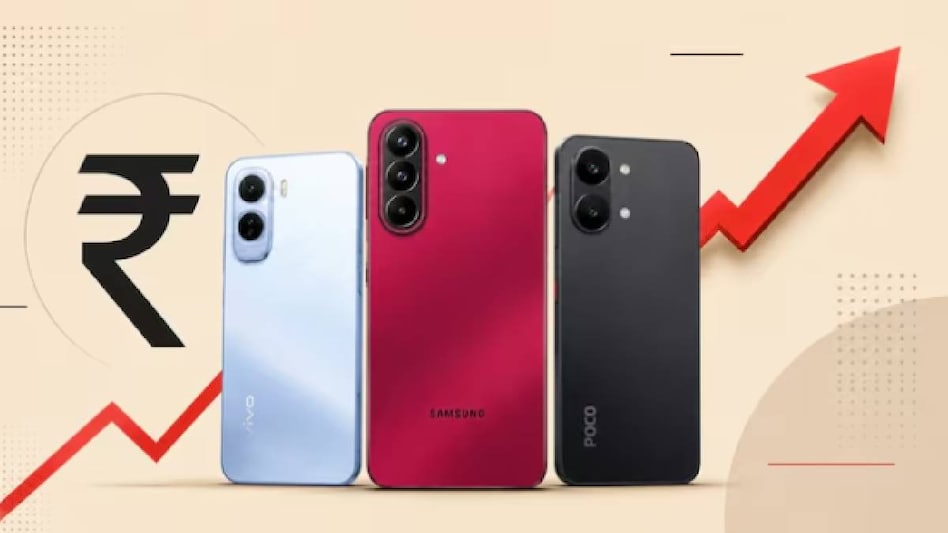
Global smartphone market hits 13-year Q2 low amid RAM and memory supply crunch
The global smartphone market has reached a concerning milestone, with shipments falling to their lowest level since 2013 during the second quarter. This significant decline is largely attributed to a shortage of memory chips, which has not only driven up prices but also dampened consumer demand. A report from Counterpoint Research highlights a 3.1% decrease in shipments compared to the previous year, marking the end of a nine-quarter growth streak. In contrast to the overall market trend, Apple managed to increase its shipments by 3%, capturing a record global market share of 20%. This success is attributed to the consistent demand for its premium iPhones, which have maintained stable pricing despite rising component costs. Meanwhile, Samsung reclaimed its position as the leading smartphone manufacturer with a 24% market share, bolstered by robust sales of the Galaxy S26 and improved product availability, particularly in markets like India and the Middle East. The ongoing memory chip shortage is exacerbating challenges within the industry. Counterpoint indicates that as memory manufacturers prioritize AI data center clients over consumer electronics, the costs for components have surged. This shift has particularly affected entry-level and mid-range smartphones, where brands are struggling to absorb increased costs, often passing them onto consumers. Projections suggest that the prices for mobile LPDDR4 and LPDDR5 memory will nearly double by the second quarter of 2026 compared to the fourth quarter of 2025. Budget brands such as Xiaomi, Oppo, and Vivo are facing significant shipment declines due to their focus on the budget and mid-range markets, which are now more vulnerable to the ongoing supply constraints. Counterpoint noted that LPDDR4 supply is anticipated to decrease by over 40% in 2026, forcing manufacturers to pivot towards AI-driven memory products, which may render entry-level smartphone production unfeasible. As wholesale smartphone prices have surged by 14% in the first quarter, this upward trend is expected to persist as pre-shock inventories deplete. The report warns that certain price tiers below $150 may effectively exit the market permanently. However, companies with integrated supply chains and a focus on premium offerings, like Apple and Samsung, are better positioned to navigate these disruptions. Analysts predict that Apple may take market share from competitors due to stable memory supplies and healthy profit margins, although a price increase is expected in the near future. Looking ahead, Counterpoint projects a 14% decline in global smartphone shipments for this year, with a potential recovery anticipated in 2028, driven by improved memory supply, pent-up demand, and advancements such as 6G technology and AI-integrated devices.
Jio Unveils Exciting New Plans with Unlimited 5G Data for the New Year
Reliance Jio has rolled out its latest prepaid recharge offerings, dubbed 'Happy New Year 2.0', featuring unlimited 4G a...
Business Today | Nov 24, 2026, 10:20
Nvidia's CEO Jensen Huang Returns Amid Scandal and Government Intervention
In a surprising turn of events, Nvidia's board has reinstated Jensen Huang as CEO and president just two weeks after his...
TechCrunch | Nov 24, 2026, 13:45
Figma Engineer Files Lawsuit Claiming Workplace Harassment and Retaliation
A former engineer at Figma has initiated legal action against the design software firm and its CEO, Dylan Field, citing ...
TechCrunch | Nov 23, 2026, 23:15
Emerging AI Chip Design Revolution: A Challenge to Nvidia's Reign
Nvidia, under the leadership of Jensen Huang, faces a significant challenge from the very AI technology it helped to pop...
Business Insider | Nov 24, 2026, 10:10Amazon's $7.5 Billion Acquisition of Decart: A Strategic Move in the AI Chip Landscape
In a significant development for the tech industry, Amazon has announced its acquisition of Decart, a startup specializi...
TechCrunch | Nov 24, 2026, 15:55