Smartphone prices may stay high through 2028 as memory crisis threatens cheap phones
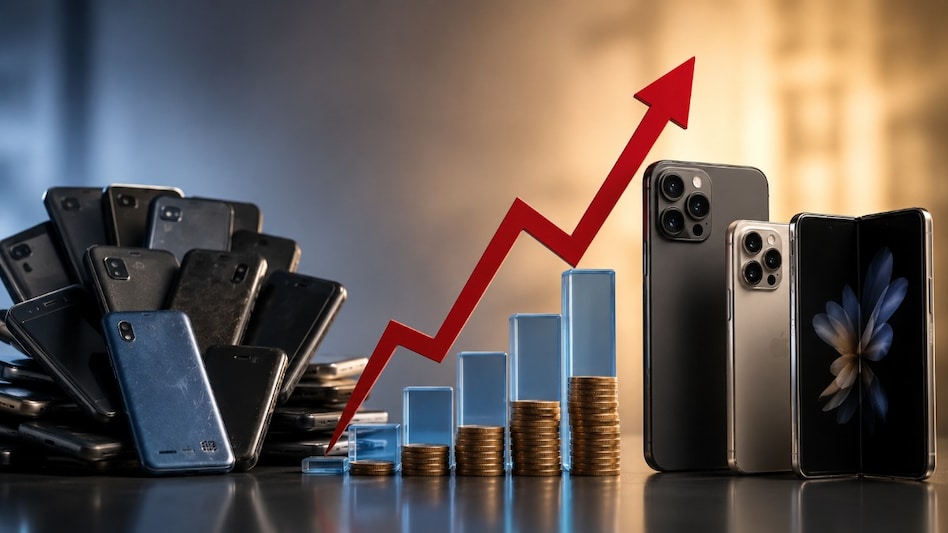
The global smartphone industry is facing significant challenges as manufacturers grapple with decreasing shipments and rising costs for components. While these shipment declines might not directly impact everyday users immediately, they are likely to influence the variety of brands available and the pricing of future upgrades. Recent forecasts suggest that affordable smartphones may come under increasing pressure, while premium devices are anticipated to remain stable. This shift could result in fewer options in the budget category and elevate prices for new launches. According to IDC, the forecast for global smartphone shipments in 2026 has been revised, now predicting a 16.7% year-on-year decrease, a stark contrast to the earlier estimate of 13.9%. This decline is projected to account for approximately 200 million fewer smartphones, particularly affecting the second half of the year as the memory shortage grows more critical. In terms of pricing, the outlook is concerning. Memory costs are expected to rise until at least 2028, with average selling prices predicted to see only a slight annual decline of about 1-2%. This means that smartphones released next year could cost more than their current counterparts. The low-end smartphone market is facing an identity crisis, especially for devices priced below $100. Last year, around 173 million smartphones in this category were shipped, but manufacturers are now retreating from low-cost models, focusing instead on higher-priced devices due to slim profit margins. This segment experienced nearly a 60% year-on-year decline in the second quarter of 2026, and further drops are anticipated. Emerging markets are projected to face declines exceeding 20% this year, compounding the challenges for affordable smartphones. Consumers may find themselves with fewer budget-friendly options and longer times between device upgrades. In contrast, premium smartphones are likely to weather these storms better, aided by the prevalence of long-term interest-free financing in developed markets like the US and UK. IDC highlights that the next 18 months will be crucial in determining which companies can withstand the pressures of rising costs. Companies such as Apple, Samsung, and Huawei are better positioned due to their scale and pricing power, while smaller brands focused on entry-level products may struggle to survive. Once memory supply stabilizes in 2028, IDC forecasts a market that will be smaller in volume but larger in value, with a concentration at the higher end. Interestingly, foldable smartphones present a ray of hope, with shipments expected to grow by 12.6%, reaching approximately 22.9 million units in 2026, and potentially hitting around 27 million by 2027, spurred by Apple's anticipated entry into this segment.
Uber and Nuro Kick Off Driverless Trials for Lucid Robotaxis Ahead of 2027 Launch
Uber and Nuro have officially launched their driverless testing phase for the Lucid Gravity SUVs on the streets of the S...
TechCrunch | Nov 24, 2026, 17:15
realme P4x 5G vs vivo Y31t 5G: Which Smartphone Offers the Best Bang for Your Buck?
When it comes to choosing between the realme P4x 5G and the vivo Y31t 5G, potential buyers are faced with distinct advan...
Business Today | Nov 24, 2026, 01:50
Threads Expands to iPad with New Cashtag Feature to Rival X
Meta's Threads app has officially launched a dedicated version for iPad, marking a significant milestone in its developm...
TechCrunch | Nov 24, 2026, 18:00
Electric Truck Innovator Harbinger Secures Major Funding from Erebor Bank
Harbinger, an emerging player in the electric truck industry, has secured a significant financial boost from Erebor Bank...
TechCrunch | Nov 24, 2026, 18:00
Nvidia's CEO Jensen Huang Returns Amid Scandal and Government Intervention
In a surprising turn of events, Nvidia's board has reinstated Jensen Huang as CEO and president just two weeks after his...
TechCrunch | Nov 24, 2026, 13:45