
Here’s why Slate changed the battery in its cheap EV truck
Slate, the innovative manufacturer behind a budget-friendly electric pickup truck, has revamped its battery approach to further streamline its product offerings. Announced on Wednesday, the truck will now start at a price of $24,950, excluding destination fees, taxes, and additional costs. This new strategy involves discontinuing the optional 240-mile battery pack while increasing the standard range from 150 miles to an impressive 205 miles. This shift in battery strategy showcases the dramatic evolution of the battery market in the United States over the past four years. Initially, Slate planned to utilize nickel-manganese-cobalt (NMC) cells, renowned for their energy density that allows for longer driving ranges. However, the high costs associated with nickel and cobalt have prompted a pivot towards lithium-iron-phosphate (LFP) cells, which, while less energy-dense, are approximately 40% cheaper due to the use of more affordable materials like iron. The transition to LFP cells is significant. Although the supply chain for LFP has been predominantly based in China, recent changes in U.S. policy have opened doors for these batteries. The Inflation Reduction Act previously limited tax credits for EVs using foreign-sourced components, yet recent legislative changes have lifted these restrictions, allowing Slate to collaborate with the Chinese battery manufacturer Gotion to source their LFP cells from a new factory in Illinois. Historically, LFP batteries faced skepticism due to their limited range, as automakers focused on high-range vehicles, often priced out of the budget market. However, as charging infrastructure has expanded, the concern of range anxiety is diminishing. While LFP cells may not match the energy density of NMC, advancements in technology have narrowed this gap, making them a viable option for budget-conscious consumers. Slate is also utilizing cell-to-pack technology in its battery construction, which streamlines the manufacturing process. This method allows cells to be integrated directly into the battery pack, minimizing the weight and complexity often associated with traditional modular setups. With LFP cells being more resilient to degradation, drivers can confidently utilize their full battery capacity daily. The decision to shift from NMC to LFP didn't come lightly. However, the growing momentum and market demand for affordable electric vehicles have made this transition an obvious path for Slate, positioning them to offer the most economical electric truck in the nation.
Warner Bros. Takes Legal Action Against Amazon Over Executive Poaching Allegations
Warner Bros. Discovery has initiated legal proceedings against Amazon, accusing the tech giant of unlawful interference ...
TechCrunch | Jul 25, 2026, 21:25
Unlocking the Secrets of Quantum Gravity: Can AI Help Physics Make a Leap?
The realm of scientific research is undergoing a profound transformation, fueled by the rapid advancements in artificial...
Business Today | Jul 25, 2026, 24:30
Vision Breakthrough: US Startup Launches Groundbreaking Retina Chip in Europe
Science Corp is poised to introduce a revolutionary retina chip in Europe, designed to restore partial vision for indivi...
Business Today | Jul 25, 2026, 01:00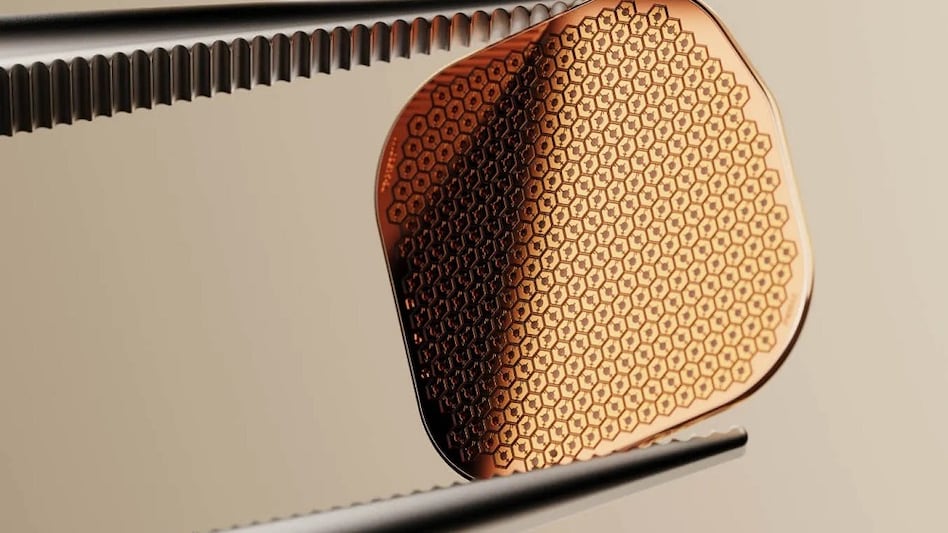
Crisis Averted: Power Line Failure Highlights Urgent Need for Data Center Resilience
A power line failure near Washington, DC, recently showcased a significant challenge faced by the electrical grid due to...
TechCrunch | Jul 25, 2026, 13:50
Market Turbulence: Four Key Factors Impacting Stocks This Week
This past week has been challenging for the stock market, driven by several significant forces that have created turbule...
CNBC | Jul 25, 2026, 20:05