
Slate Auto: Everything you need to know about the Bezos-backed EV startup
In April 2025, the automotive world was taken by surprise as Slate Auto emerged from secrecy, revealing its ambitious plans for an ultra-affordable electric pickup truck. Backed by notable figures including Jeff Bezos, the startup had been quietly operating in Troy, Michigan for three years, strategically positioned near major players like Ford and General Motors. TechCrunch was first to report on this groundbreaking startup, detailing its unique approach and the significant financial support it had garnered. Following the initial announcement, the weeks leading up to Slate’s public debut were filled with excitement as prototypes of its electric truck began appearing throughout California. Slate Auto stands out in a U.S. electric vehicle landscape often marred by bankruptcies and product failures. Despite the challenges that lie ahead, the company's executive team and innovative business model present a promising future as they gear up for production slated for late 2026. Here's a timeline highlighting key developments in Slate's journey. On April 8, TechCrunch unveiled that Slate Auto had been under wraps for three years, funded by Bezos and Mark Walter, owner of the LA Dodgers. Unlike many of its counterparts, Slate is focused on developing a highly customizable electric pickup truck with a starting price around $25,000. The design benefits from the expertise of former employees from Harley-Davidson and Chrysler, known for their aftermarket parts and accessories. Just two days later, a photo of a nondescript electric truck sparked speculation on Reddit, with many believing it to be Slate's prototype. TechCrunch confirmed that the image depicted a vehicle parked outside Slate’s design center in Long Beach, California. By April 21, Slate began showcasing concept versions of its electric vehicle on public streets, generating buzz ahead of its official launch event on April 24. Interest peaked as some models appeared to resemble SUVs or hatchbacks, hinting at the truck's versatile design capabilities. At the launch event, Slate unveiled its customizable electric pickup truck, announcing an incredibly low base price of under $20,000 with the federal EV tax credit. However, the initial model, designed for affordability, offered essential features like 150 miles of range but lacked amenities such as power windows and an infotainment screen. Just a day later, TechCrunch revealed that Slate had chosen a former printing plant in Warsaw, Indiana, as the location for its production facility. This expansive site, which had been vacant for two years, will play a crucial role in the company's manufacturing plans. By May 12, Slate announced it had already received over 100,000 refundable $50 reservations, indicating strong interest in its affordable electric truck concept. This enthusiasm was particularly impressive given that Slate was relatively unknown just a few months prior. However, the landscape shifted on July 3, when a tax-cut bill was passed by the Trump administration, which included a September deadline for the $7,500 federal EV tax credit. Consequently, Slate quickly removed references to the tax credit from its website to adjust to the new pricing reality. On July 8, it was reported that Slate had completed a funding round involving at least 16 investors, including Bezos. While many investors remain undisclosed, Slauson & Co. shared insights into its decision to support Slate during this critical funding phase.
Strengthening Ties: US Ambassador Advocates for Enhanced AI Collaboration with India
During the India Today Conclave 2026, themed "The Intelligence Exchange," US Ambassador Sergio Gor emphasized the necess...
Business Today | Mar 13, 2026, 06:55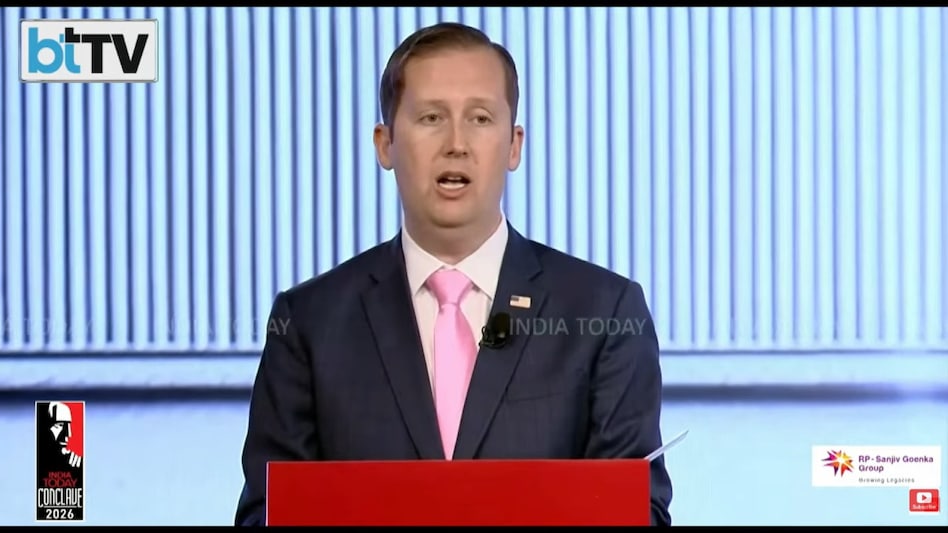
Adobe's Leadership Shake-Up: CEO Shantanu Narayen Steps Down Amidst AI Revolution
In a significant shift for the company, Adobe has announced that its long-serving CEO, Shantanu Narayen, will be steppin...
Business Today | Mar 13, 2026, 03:15
Stryker Faces Cyber Assault Amid Global Tensions: What We Know
In the wake of recent airstrikes by the US and Israel on Iran, cybersecurity experts issued warnings to organizations wo...
Ars Technica | Mar 12, 2026, 22:20
AI and Private Equity: A Recipe for Software Disruption?
The landscape of enterprise software is on the brink of a significant transformation, driven by an unexpected alliance b...
CNBC | Mar 12, 2026, 21:05
Why a Startup Founder Switched from ChatGPT to Claude: A Deep Dive
In the evolving landscape of AI, many startups are reevaluating their tools. Sidhant Bendre, co-founder of Oleve, an AI-...
Business Insider | Mar 13, 2026, 09:40