
Silicon Valley spooks the AI safety advocates
Recent comments from prominent Silicon Valley figures, including David Sacks, the White House's AI and Crypto Czar, and Jason Kwon, OpenAI's Chief Strategy Officer, have ignited debates surrounding AI safety advocacy. In their remarks, they suggested that some advocates for AI safety may have ulterior motives, implying they are influenced by wealthy backers rather than acting out of genuine concern. AI safety organizations that spoke with TechCrunch expressed that these allegations are part of a broader strategy by Silicon Valley to intimidate critics. This isn't the first instance of such behavior; in 2024, rumors circulated among venture capitalists that a proposed California AI safety bill, SB 1047, could result in jail time for startup founders. Although the Brookings Institution labeled this a “misrepresentation,” Governor Gavin Newsom ultimately vetoed the bill. Regardless of the intentions behind Sacks and OpenAI’s recent comments, they have effectively instilled fear among several AI safety advocates. Many nonprofit leaders requested anonymity when discussing the issue to avoid potential backlash. This situation highlights an escalating tension in Silicon Valley between the desire to develop AI responsibly and the push to market it as a consumer product. In a post on X, Sacks accused Anthropic, an AI lab that has raised concerns about the societal impacts of AI, of fearmongering to push for regulations that favor its interests over those of smaller companies. Anthropic was notably the only major AI organization to back California's SB 53, which mandates safety reporting for large AI firms, signed into law last month. Sacks criticized Anthropic's co-founder Jack Clark's recent essay addressing AI fears, labeling it as part of a broader regulatory manipulation strategy. This week, Kwon also made headlines by announcing OpenAI's decision to issue subpoenas to AI safety nonprofits, including Encode, which has publicly opposed OpenAI's restructuring. Kwon raised concerns about the funding and coordination of these organizations, especially after Encode supported Elon Musk's lawsuit against OpenAI. Despite the ongoing tensions, some voices within the AI community are advocating for a dialogue about safety measures. Brendan Steinhauser, CEO of the AI safety nonprofit Alliance for Secure AI, commented that OpenAI’s approach seems aimed at discouraging criticism rather than fostering a constructive conversation on safety practices. Meanwhile, Sriram Krishnan, a senior policy advisor for AI, urged safety advocates to engage more with individuals directly interacting with AI technologies in everyday life. As the AI safety movement gains traction ahead of 2026, the pushback from Silicon Valley may indicate that these advocacy groups are starting to make an impact, reshaping the landscape of AI development and regulation.
AMD Unveils Helios: A Bold Challenge to Nvidia's AI Dominance with Microsoft on Board
After a notable resurgence, Advanced Micro Devices (AMD) is set to launch Helios, its inaugural rack-scale system design...
CNBC | Jul 20, 2026, 13:35
Jeff Bezos Invests in CuspAI's Ambitious Quest for Next-Gen Materials with Nvidia Partnership
In a significant move in the tech sector, Jeff Bezos has thrown his support behind CuspAI, a British startup that has re...
CNBC | Jul 20, 2026, 10:10
Airbnb and Anthropic Forge Ahead with Expansions in NYC Amid Business Concerns
Airbnb and the AI startup Anthropic are setting their sights on significant growth in New York City, with plans for new ...
Business Today | Jul 20, 2026, 14:05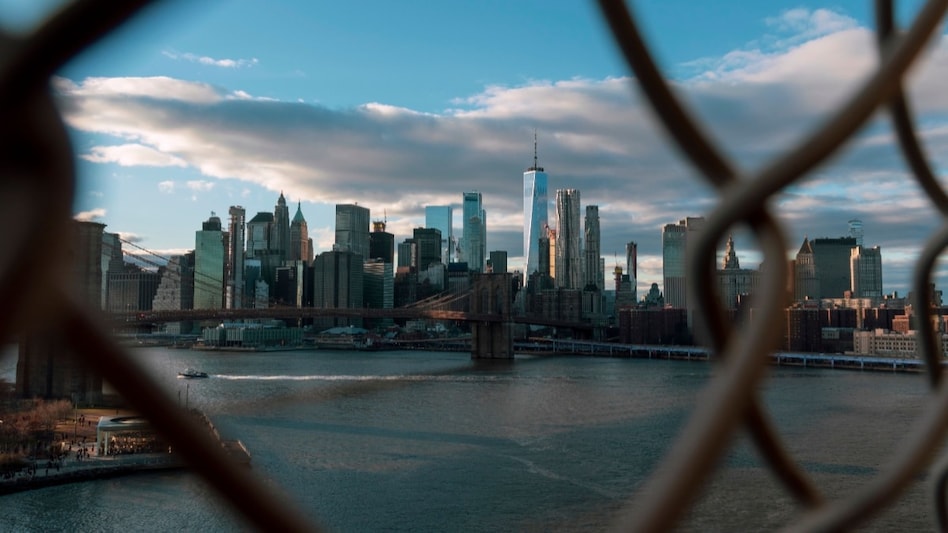
Alphabet's Stock Soars as New AI Chip Development Gains Momentum
Shares of Alphabet saw a notable increase of 3% on Monday, following a report from The Information that the tech giant i...
CNBC | Jul 20, 2026, 14:15
Cybersecurity Alert: Millions of WordPress Sites at Risk from Exploited Vulnerabilities
Recent cybersecurity reports indicate that hackers are actively targeting websites that utilize outdated versions of the...
TechCrunch | Jul 20, 2026, 15:55