$200 Million salary, Poaching wars: Inside Silicon Valley's AI talent arms race
The competition for supremacy in artificial intelligence is igniting an unprecedented hiring spree in Silicon Valley. In a remarkable development, Meta has reportedly extended an offer exceeding $200 million in total compensation to Ruoming Pang, a former high-ranking Apple executive known for spearheading AI model innovations. This staggering offer not only surpasses the annual earnings of many Fortune 500 CEOs but also illustrates the lengths to which major tech companies will go to attract the leading minds behind the forthcoming advancements in generative AI and artificial general intelligence (AGI). Pang is not the sole target in this fierce talent hunt. Meta's newly established Superintelligence Labs is proactively offering offers in the nine-figure range, with some even nearing $300 million, to entice AI specialists from industry giants like Apple, Google DeepMind, OpenAI, and Anthropic. OpenAI's CEO, Sam Altman, recently revealed that Meta was providing signing bonuses of around $100 million to lure talent from his organization. While some candidates chose to stay put, others have jumped ship, contributing to what many are dubbing an "AI draft season". In response to this aggressive talent acquisition, OpenAI has made its own strategic hires. The organization recently welcomed four senior engineers to its scaling team, which is crucial for managing OpenAI's backend infrastructure and is integral to its ambitious Stargate project. Notable among the new recruits is David Lau, who previously served as VP of software engineering at Tesla. He is joined by Uday Ruddarraju and Mike Dalton, both of whom previously worked at Elon Musk's xAI, where they contributed to the development of Colossus, a supercomputer powered by over 200,000 GPUs. Also on board is Angela Fan, a former researcher from Meta AI. Ruddarraju described OpenAI’s infrastructure goals as “where research meets reality,” expressing enthusiasm for the Stargate initiative. The sky-high salaries and competitive poaching have provoked a mix of admiration and concern within the industry. LinkedIn co-founder Reid Hoffman referred to these offers as “economically rational” for individuals poised to unlock trillion-dollar innovations. However, industry figures like Michael Dell have raised alarms about the potential cultural divides that could emerge from the growing disparity in compensation between new hires and existing employees. Meta is reportedly implementing intricate vesting schedules and internal communication strategies to mitigate these tensions, but reports suggest unrest is creeping into tech workplaces. As industry leaders like Meta and OpenAI continue to vie for top talent, the future breakthroughs in AI may hinge less on technological prowess and more on the ability to attract and retain the experts who drive innovation.
Anthropic's Claude Mythos Expands Global Reach: India Among 15 New Countries Granted Access
Anthropic has made an exciting announcement regarding the expansion of Project Glasswing, its cybersecurity initiative f...
Business Today | Jun 03, 2026, 06:05
Google's Ambitious Plan to Release Millions of Mosquitoes for Disease Control
Google, renowned for its search engine, Android platform, and artificial intelligence, is venturing into an unexpected t...
Business Today | Jun 03, 2026, 05:15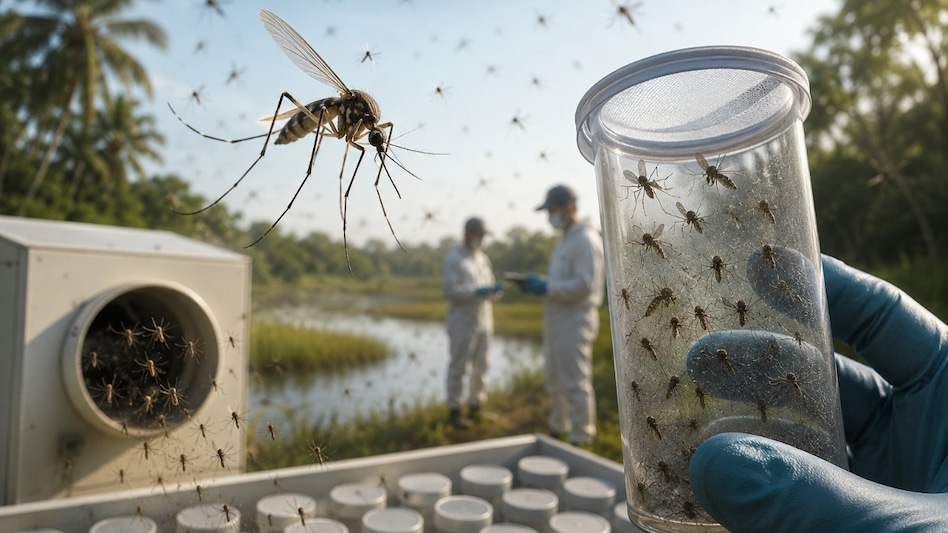
Perplexity's Vision for AI: Economic Value as the Key to Success
Aravind Srinivas, CEO of Perplexity, shared insights with CNBC regarding the crucial factor that will determine the lead...
CNBC | Jun 03, 2026, 06:25
Uber's Robotaxis: A Quirky Collection of Lost Items Reveals New Opportunities
Uber's annual Lost & Found Index has become a fascinating glimpse into the lives of its riders over the past decade. Eac...
TechCrunch | Jun 03, 2026, 24:00
Microsoft Unveils Innovative Tools and Hardware for Developers at Build 2023
The Build developer conference organized by Microsoft has commenced, showcasing a significant focus on artificial intell...
Ars Technica | Jun 02, 2026, 22:55