Indian IT's hiring model is changing...and AI is the reason
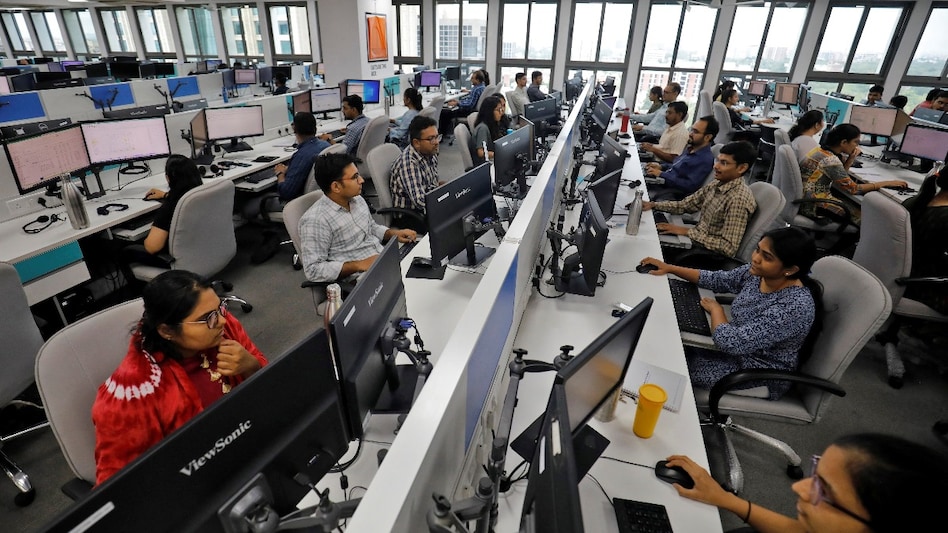
The traditional hiring model in India's IT sector, characterized by a straightforward equation of securing contracts to increase workforce numbers, is experiencing a significant transformation. Recent quarterly earnings reports from the nation's largest IT firms reveal a considerable surge in artificial intelligence (AI)-focused projects, a trend expected to continue through 2026. As these companies adapt, they are shifting strategies towards reskilling their current workforce, redeploying talent, and exercising greater caution in recruitment. This marks a pivotal shift from the historical link between new deals and workforce expansion. In mid-2025, Tata Consultancy Services (TCS) initiated a workforce restructuring process, resulting in the layoff of approximately 1,800 employees deemed unsuitable for internal redeployment. Sudeep Kunnumal, TCS’s Vice President and CHRO, highlighted the ongoing search for top talent while acknowledging that roles not conducive to redeployment would lead to workforce reductions. A recent report from HDFC Securities points out that this AI-driven evolution is already affecting hiring patterns. The report indicates that the muted hiring across the IT sector over the past eight to ten quarters reflects this transition. Additionally, AI is fostering new levels of specialization that are set to redefine the future of technology services. Similar trends can be observed within other major companies. Tech Mahindra, for instance, reported a decrease in total headcount, despite a stabilization in employee attrition and an increase in deal volumes. CEO Mohit Joshi emphasized the company's focus on redeploying existing staff instead of filling roles left vacant by attrition. Hiring priorities are shifting notably. Companies are now focusing on lateral recruitment in specialized, high-demand sectors rather than large-scale hiring. TCS is concentrating on experienced hires equipped with skills in cybersecurity, enterprise solutions, cloud computing, AI, and data analytics. Kunnumal noted a significant influx of AI-native graduates among their new hires. However, the demand for entry-level talent remains subdued, with staffing expert Kamal Karanth indicating a current active demand for such positions in India is below 50,000, less than a third of which is from the tech sector. The situation for freshers continues to be challenging as industries work to stabilize their talent strategies and manage costs. Despite these challenges, companies like Wipro and Infosys are cautiously resuming campus recruitment. Infosys announced that it had successfully onboarded 18,000 of the planned 20,000 freshers this fiscal year, signaling a commitment to future capacity building. The transformation in the IT sector is not just about headcount; it’s also redefining service delivery. Infosys CEO Salil Parekh noted that as client demand increases for legacy modernization, the way services are delivered is evolving. This evolution is poised to enhance operational margins as companies leverage technology to achieve more with fewer employees. Experts advise that while the shift is underway, its full impact on employment may take time to manifest. Karanth remarked that the broader adoption of AI across enterprise processes is essential for realizing the real effects on permanent employment. In the current landscape, the prevalent strategy among IT firms is to prioritize reskilling over mass hiring. TCS has trained over 217,000 of its 582,163 employees in advanced AI skills, while HCL Technologies has equipped more than 38,000 employees in generative AI. Data from Xpheno reveals that two-thirds of the active demand for talent still comes from tech and engineering roles, yet less than a quarter pertains to AI-specific positions. This indicates a focused effort on internal upskilling, as companies recognize that cultivating AI talent internally is more sustainable than seeking out scarce external resources.
Nvidia Strikes Major Deal with SK Hynix to Secure AI Memory Supply
Nvidia has successfully forged a significant partnership with South Korea's SK Hynix to secure memory supplies essential...
CNBC | Jul 25, 2026, 05:15
Crisis Averted: Power Line Failure Highlights Urgent Need for Data Center Resilience
A power line failure near Washington, DC, recently showcased a significant challenge faced by the electrical grid due to...
TechCrunch | Jul 25, 2026, 13:50
Kalshi Challenges Netflix Over Controversial Documentary Trailer
Kalshi, the prediction market platform, has taken significant legal steps against Netflix, sending a cease-and-desist le...
TechCrunch | Jul 25, 2026, 17:10
Reclaiming Control: Librarians Host Workshops to Help People Navigate AI Tools
In a lively library setting in South Philadelphia, Charlie Bailey, a local librarian, humorously noted, "Everybody’s on ...
TechCrunch | Jul 25, 2026, 16:20
The Elusive Phineas Fisher: The Hacktivist Who Took Down Spyware Giants
In the realm of cybersecurity, few figures are as intriguing as Phineas Fisher, a hacker who has evaded capture for near...
TechCrunch | Jul 25, 2026, 21:00