Sergey Brin, who came back to Google to work on Gemini, says staying retired would have been a 'big mistake'
Sergey Brin, co-founder of Google, recently shared insights into his unexpected return to the tech giant, emphasizing that stepping away from the company was a decision he quickly regretted. During a celebration marking the centenary of Stanford University's School of Engineering, Brin reflected on his brief stint of retirement, which began in December 2019. He initially envisioned a life filled with leisurely pursuits, such as enjoying coffee at local cafés while delving into physics. However, the onset of the pandemic disrupted those plans, leading him to joke, "That didn't work because there were no more cafés." Brin admitted that without the daily intellectual challenges he thrived on, he felt himself losing his edge. This realization prompted him to return to Google as soon as the company began reopening its offices. He immersed himself in the development of Gemini, Google's latest flagship AI model. "To have that technical creative outlet, I think that’s very rewarding," he stated. "If I’d stayed retired, I think that would have been a big mistake." The tech pioneer also candidly discussed Google's past approach to AI development. Despite having co-authored the groundbreaking 2017 "Transformer" paper, which laid the foundation for many contemporary AI models, he acknowledged that Google had fallen short in fully capitalizing on these advancements. He noted, "We underinvested in the technology and were too scared to bring it to people because chatbots say dumb things." He praised OpenAI for its proactive stance, saying, "They ran with it, which, good for them." Brin emphasized that Google still maintains a competitive advantage through its extensive investments in neural-network research, custom AI hardware, and large-scale data center infrastructure. "Very few have that scale," he remarked when discussing the company’s position in the AI landscape. When asked about the implications of AI on education, Brin advised students against abandoning technical fields, cautioning, "I wouldn’t switch to comparative literature because you think AI is good at coding. The AI is probably even better at comparative literature." He also reflected on the common pitfalls entrepreneurs face, sharing his own experience with Google Glass, which he launched prematurely. "I've definitely made that mistake," he confessed, acknowledging the rush to market before the product was fully ready. Currently, Brin is energized by the rapid pace of AI innovation, stating, "It’s absolutely amazing just the rate of innovation. If you skip the news for a month, you’re way behind."
The Elusive Phineas Fisher: The Hacktivist Who Took Down Spyware Giants
In the realm of cybersecurity, few figures are as intriguing as Phineas Fisher, a hacker who has evaded capture for near...
TechCrunch | Jul 25, 2026, 21:00
The Aluminum Foil Trend: A DIY Shield Against Wireless Identity Theft
Have you noticed an unusual trend where people are wrapping their wallets in aluminum foil? This peculiar practice has e...
Business Today | Jul 25, 2026, 02:45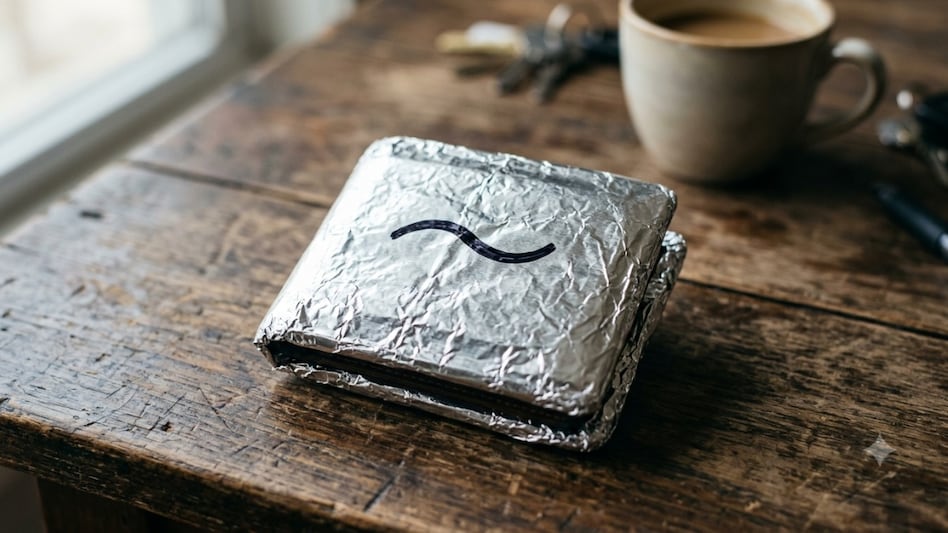
Finland Unveils World's Largest Sand Battery to Tackle Renewable Energy Challenges
In a groundbreaking move to address the critical issue of renewable energy intermittency, a small town in southern Finla...
CNBC | Jul 25, 2026, 05:35
Warner Bros. Takes Legal Action Against Amazon Over Executive Poaching Allegations
Warner Bros. Discovery has initiated legal proceedings against Amazon, accusing the tech giant of unlawful interference ...
TechCrunch | Jul 25, 2026, 21:25
Kalshi Challenges Netflix Over Controversial Documentary Trailer
Kalshi, the prediction market platform, has taken significant legal steps against Netflix, sending a cease-and-desist le...
TechCrunch | Jul 25, 2026, 17:10