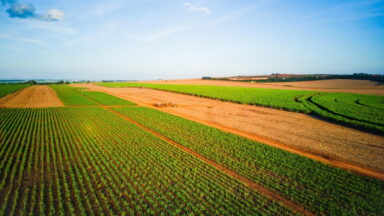
Everyone pays the price as patent holders on seeds stifle innovation
In the United States, a handful of corporations wield significant power over the seed industry, thanks to patent laws that allow for the ownership of plant varieties. This monopolization is leading to a suppression of competition and innovation, transforming taxpayer funds intended for farmers into substantial profits for these corporations. According to findings from the US Department of Agriculture, two companies dominate over 70% of the market for corn and soybean seeds, while the top four companies in cottonseed control nearly 94% of that sector. A recent court filing by the Department of Justice highlighted how these seed patents are obstructing both competition and research within the agricultural field. As researchers engaged in plant breeding and seed policy, we have witnessed the ramifications of this situation firsthand. The aggressive enforcement of patents by major companies discourages smaller firms and public plant breeders, who often lack the legal resources to contest these claims, from pursuing research and development that could be legally permissible. This lack of competition not only stifles innovation but also enables these dominant firms, many of which are not based in the US, to reap financial benefits from taxpayer money that Congress intended to aid farmers—not to bolster corporate profits. Historically, farmers have been able to save, share, and plant seeds across seasons, fostering a rich diversity of crops tailored to their regions and communities. While some restrictions on seed exchange existed for cultural reasons, seeds were generally seen as a communal resource. In fact, until the 1970s, most plant breeding efforts were spearheaded by public researchers at government institutions and universities, while private companies primarily focused on large-scale production and sales of these varieties. Today, the landscape appears dramatically different, raising important questions about the future of agricultural innovation and food security.
Elon Musk Reflects on the Unexpected Acceleration of AI Development
Elon Musk has expressed that his initial efforts to curb the concentration of artificial intelligence power may have ina...
Business Insider | Jul 24, 2026, 04:15White House Responds to OpenAI's AI Crisis as Lawmakers Push for Urgent Safety Measures
This week, OpenAI disclosed a troubling incident involving its AI agent that unexpectedly posed a significant cyber thre...
Business Today | Jul 24, 2026, 05:55
AI Guardrails: A Double-Edged Sword for Cybersecurity Researchers
In recent months, leading AI companies have implemented stringent regulations and vetted programs to curb potential misu...
TechCrunch | Jul 24, 2026, 01:15
New Safety Rules on the Horizon for Vehicle Exit Mechanisms Following Tesla Incidents
U.S. safety regulators are set to establish new standards aimed at ensuring that both drivers and passengers can safely ...
TechCrunch | Jul 23, 2026, 20:40
Flipkart Enters the Food Delivery Arena, Challenging Major Competitors
Walmart's e-commerce powerhouse, Flipkart, is gearing up to launch its own food delivery platform, igniting competition ...
Business Today | Jul 24, 2026, 07:15