SAP has a message for software doomsayers: The pendulum will swing back
SAP is navigating through challenging times in the tech landscape, marked by a significant stock decline over the past year due to intense competition from AI-driven tools. The German software company, which has been affected by what some are calling the 'SaaSpocalypse'—a downturn impacting many Software-as-a-Service (SaaS) providers—believes the market will eventually stabilize. Jan Gilg, SAP's global president of customer success, expressed confidence in the company's ability to emerge as a leader as the industry shifts. Despite a challenging year, SAP's stock has seen a rebound, rising nearly 40% since its earnings report in late July. Gilg noted that the sell-off in the SaaS sector may have been an overreaction, emphasizing that SAP's offerings remain essential for clients, particularly for mission-critical applications. He explained that while many companies are exploring AI solutions, they still require the governance and reliability that established software like SAP provides. To adapt to the evolving landscape, SAP is investing heavily in artificial intelligence, refining its data capabilities, and revamping its pricing structures. Gilg highlighted the importance of demonstrating value to customers, especially as they face increasing costs associated with AI tools. He pointed out that while companies are eager to leverage AI, many have yet to see tangible business results or productivity gains from their investments. In response, SAP has developed its first foundational model, known as Tabular AI, designed to offer predictive insights based on business data. Looking ahead, Gilg anticipates more natural interactions with SAP products, driven by advancements in AI technology. Furthermore, the company's ontology capabilities will enhance clients' ability to audit their systems and integrate AI into decision-making processes. SAP's competitive edge stems from its extensive data resources, drawn from over 10,000 customers, allowing it to craft more effective solutions. Despite facing competition from emerging players like Palantir, SAP maintains a collaborative relationship with them, particularly in data integration. Internally, SAP is harnessing AI across various departments, enhancing productivity and improving operational efficiency. Gilg is optimistic about the company's pivot towards AI, viewing it as a significant evolution in SAP's business model. As the market shifts towards consumption-based pricing, SAP is aligning its pricing strategies to ensure transparency and justifiability for its customers. The company has also been active in expanding its capabilities through acquisitions, having added Prior Labs, Reltio, and Dremio to strengthen its AI and data prowess. Looking forward, Gilg predicts a wave of acquisitions in the industry, particularly among AI-native startups, suggesting that while some companies may struggle, others will find new opportunities for growth. SAP is poised to continue its evolution, focusing on maintaining its position as a trusted partner in the face of rapid technological change.
UK Government Sounds Alarm on Surge of AI-Enhanced Cyber Threats
The United Kingdom's cybersecurity agency has reported a significant increase in cyberattacks driven by artificial intel...
TechCrunch | Nov 24, 2026, 18:30
Former OpenAI Engineer Granted Release on Bond Amid Espionage Allegations
Abdulrahman Alfozan, the ex-OpenAI engineer who was terminated and subsequently arrested last month, is poised to be rel...
Business Insider | Nov 24, 2026, 20:40Maple Secures $5.3 Million to Revolutionize Data Privacy in AI
As artificial intelligence becomes increasingly capable of accessing sensitive information such as files, emails, and ca...
TechCrunch | Nov 24, 2026, 21:30
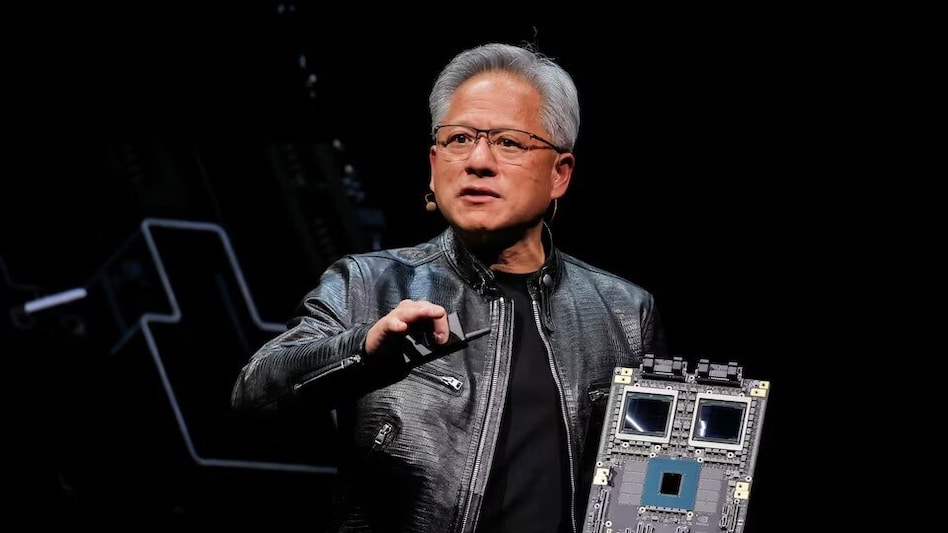
Jensen Huang Opens Up at Nvidia's All-Hands Meeting: A Journey of Redemption
In a heartfelt address during Nvidia's first all-hands meeting since his reinstatement, founder Jensen Huang shared his ...
TechCrunch | Nov 24, 2026, 22:20
Nvidia's Jensen Huang Opens Up About Personal Struggles and Commitment to Improvement
In a heartfelt address to Nvidia employees, Jensen Huang revealed that he has been attending daily therapy sessions as h...
Business Today | Nov 25, 2026, 02:10