
AI turned Samsung into a $1 trillion company. Its workers want a bigger slice of the pie
Samsung Electronics has emerged as a major player in the global artificial intelligence landscape, with skyrocketing demand for semiconductors pushing the company’s worth to $1 trillion this year. This impressive valuation has also elevated Seoul's stock market to the sixth largest worldwide. However, not all stakeholders are celebrating this success—Samsung's workforce is expressing significant discontent. In a historic move, tens of thousands of Samsung employees have threatened to strike, aiming to disrupt the production of crucial memory chips at a time when the AI sector is in dire need of these components. Just before the planned strike was set to commence on Thursday, the workers' unions announced a preliminary agreement with management. This tentative deal, pending a vote from union members, represents a pivotal win for employees demanding higher wages in light of the company's record-breaking earnings. Had the strike proceeded, it would have marked the largest in Samsung's history, potentially involving over 48,000 employees—nearly 40% of its South Korean workforce—over an 18-day period. The majority of these workers are engaged in memory chip production, essential for AI technologies developed by major firms like Nvidia and AMD. The looming threat of a halt in production raised alarms both within the South Korean government and the global tech community, given that Samsung's revenue constituted more than 12% of the nation’s GDP last year. The potential ramifications of a strike were underscored by South Korea's Prime Minister, Kim Min-seok, who noted that any disruption in semiconductor production would have widespread economic consequences. Samsung's workers are now seeking a larger share of the company's profits, having recently witnessed a remarkable surge in quarterly earnings—over eight times higher than the same period last year. The union has called for the removal of a bonus cap set at 50% of annual pay, a 15% allocation of annual operating profit to bonuses, and for these changes to extend beyond the current year. Although Samsung employees receive competitive salaries, they have become increasingly aware of a disparity in bonus structures compared to rival chipmaker SK Hynix, which has recently revised its bonus policies. In light of this, Samsung's unions have negotiated a deal that eliminates the existing cap on bonuses and allocates 10.5% of business performance profits for employee bonuses. Samsung acknowledged the agreement came after a prolonged period of negotiations, affirming its commitment to fostering a healthier labor-management relationship. The ongoing dispute has ignited a broader conversation regarding wealth distribution in South Korea, particularly in the context of the booming AI sector, which has led to stark contrasts between job security and corporate profits. Jo Geun-jun, leader of a labor advocacy group, highlighted the growing divide between those in stable employment and those facing job insecurity. As the semiconductor supply chain faces unprecedented pressures, global tech companies are vying for advanced AI processors necessary for their operations. Memory chips, once viewed as low-margin products, have become critical in AI applications, with shortages expected to last until 2028. This situation places Samsung in a vital role within the industry, as it competes with SK Hynix and US-based Micron Technology. While the tentative agreement has provided a temporary boost to Samsung's stock, the possibility of a strike still looms if union members reject the deal. Analysts warn that a disruption at a major memory supplier could exacerbate the ongoing shortages affecting the AI market. For now, production is expected to continue smoothly, especially after a court ruling mandated that essential safety operations for chip manufacturing maintain adequate staffing levels.
Vision Breakthrough: US Startup Launches Groundbreaking Retina Chip in Europe
Science Corp is poised to introduce a revolutionary retina chip in Europe, designed to restore partial vision for indivi...
Business Today | Jul 25, 2026, 01:00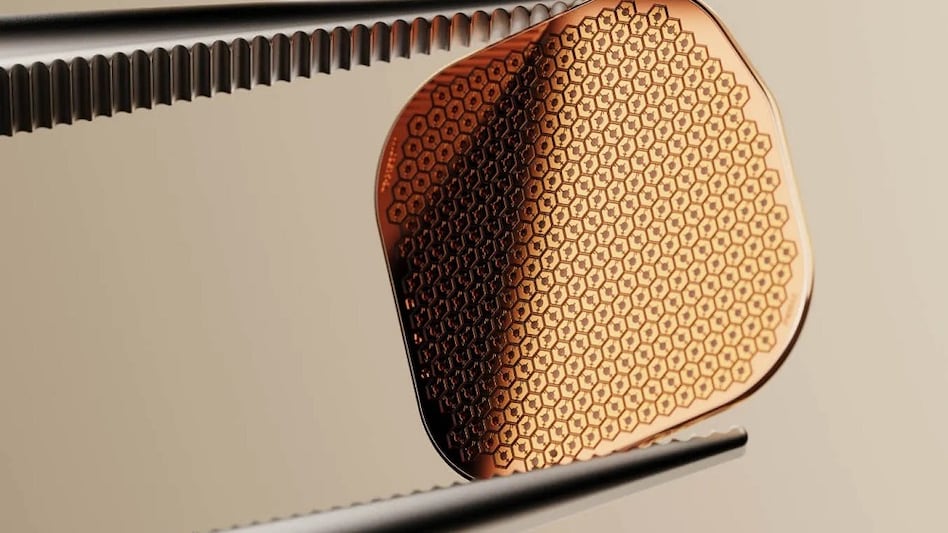
Waymo to Launch Standalone App, Ending Exclusivity with Uber in Major Cities
For the past three years, Uber and Waymo, the autonomous vehicle division of Alphabet, have collaborated to provide driv...
CNBC | Jul 24, 2026, 21:55
The Shift in Human Cognition: Embracing AI as a Collaborative Tool
As technology continues to evolve, a notable shift is occurring in the relationship between humans and artificial intell...
Business Insider | Jul 25, 2026, 09:50The Rise of AI Distillation: A Controversial Technique Sparks Debate in Tech and Government
In recent discussions, a once-obscure topic in artificial intelligence has surged to the forefront of debates among tech...
CNBC | Jul 25, 2026, 12:15
OpenAI's Micro Keypad: A Novelty for Coders or Just a Confounding Gadget?
Last week, OpenAI made its debut in the hardware landscape with the launch of Micro, a stylish keypad designed to integr...
TechCrunch | Jul 25, 2026, 24:40