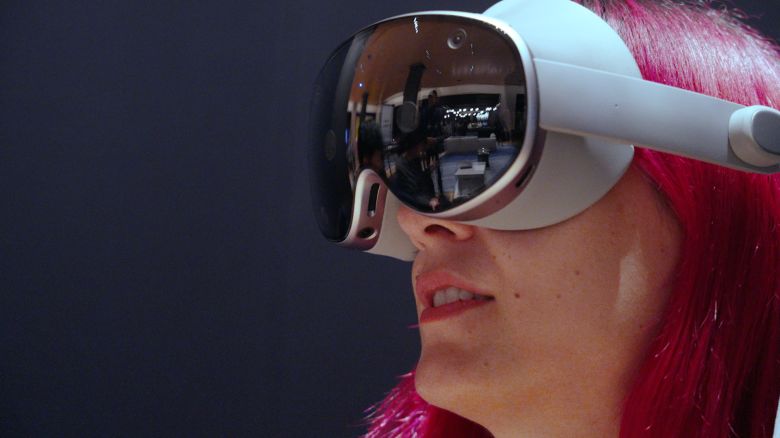
Samsung’s big answer to the Apple Vision Pro is here. I got to try it
Samsung has officially launched its latest mixed reality headset, the Galaxy XR, on October 21, priced at $1,800. This innovative device promises to elevate virtual exploration to unprecedented levels, allowing users to immerse themselves in digital environments while seamlessly interacting with a digital assistant. Imagine exploring a city thousands of miles away as if you're right in the middle of it. The Galaxy XR enhances this experience by integrating Google's Gemini assistant, which can respond to inquiries about landmarks and locations simply by looking at them. This feature positions Samsung's headset against competitors like Apple's Vision Pro, which has faced challenges in capturing developer interest and consumer engagement. The Galaxy XR aims to redefine how users perceive and interact with technology, offering a unique blend of productivity and entertainment. Users can enjoy a much larger virtual workspace compared to traditional screens, with the ability to view applications and media in a more immersive way. Google Photos, for instance, allows users to experience images and videos in three dimensions, enhancing the overall viewing experience. Interaction with the headset is intuitive, utilizing hand gestures and voice commands, while a dedicated button and touchpad give users additional control. What distinguishes the Galaxy XR is its seamless integration with Gemini. Users can ask questions about their photos or surroundings, and Gemini can even assist in booking travel arrangements based on their inquiries. During a demonstration, the headset felt comfortable for short periods, although it remains heavier than standard eyewear, raising questions about prolonged use. The combination of AI capabilities and mixed reality could transform how users accomplish tasks that typically require multiple steps across various applications. Despite the excitement surrounding the Galaxy XR, Samsung and Google face a significant challenge: convincing consumers to invest in yet another tech device. While the price point is lower than Apple's offering, it's still a considerable expense for many households. Samsung's mobile product management executive, Drew Blackard, expressed optimism that this price could attract new users to the realm of virtual reality, but acknowledged the need for prices to decrease over time for broader adoption. Looking ahead, Samsung and Google envision the Galaxy XR as a precursor to a new generation of AI-powered eyewear. Future iterations may include advanced features like tracking user expressions, which could enhance the interaction with Gemini, making it feel more natural and intuitive. This vision aligns with the broader goal of making technology more integrated into everyday life, much like conversations we have in the real world.
Australia Gears Up for Startup Showdown: Meet the Judges Who Will Shape the Future
The excitement is building as TechCrunch Startup Battlefield makes its way to Australia, in collaboration with Stripe, t...
TechCrunch | Jul 24, 2026, 24:30
Intel Surges with Record Revenue Growth Amid AI Boom
In a remarkable turn of events, Intel has reported its strongest revenue growth in nearly 15 years, surpassing expectati...
CNBC | Jul 23, 2026, 20:15
New Safety Rules on the Horizon for Vehicle Exit Mechanisms Following Tesla Incidents
U.S. safety regulators are set to establish new standards aimed at ensuring that both drivers and passengers can safely ...
TechCrunch | Jul 23, 2026, 20:40
Patreon Cuts Workforce by 20% Amid Market Adjustments
In a significant shift, Patreon has announced a reduction of its workforce by 20%, amounting to 93 employees, as reveale...
TechCrunch | Jul 23, 2026, 20:40
Unlocking Corporate Capital: Insights from Nvidia's Venture Partnerships Lead
Securing a partnership with a tech giant like Nvidia can be a game-changer for startups. In a recent episode of Build Mo...
TechCrunch | Jul 23, 2026, 19:35