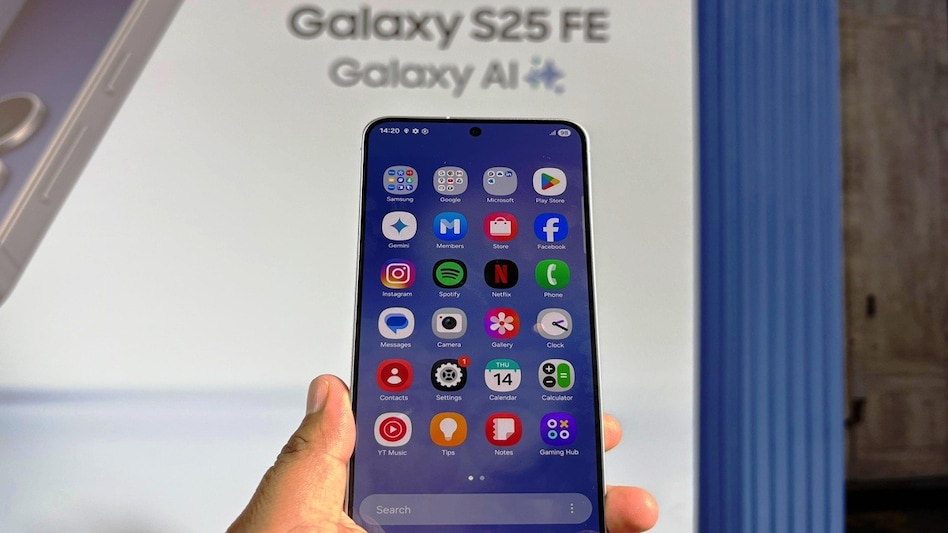
Samsung bets on 'Bharat' to drive festive season growth with AI and affordability
As the festive season draws near, Samsung India is shifting its focus from metropolitan hubs to the burgeoning markets of Tier 2 and Tier 3 cities. Aditya Babbar, Vice President of MX Business at Samsung India, shared insights with Business Today that these regions are not only expanding but are also embracing cutting-edge technology, particularly artificial intelligence, at an unprecedented rate. Babbar emphasized the diminishing divide between urban and rural markets, stating, "Often, discussions about India and Bharat seem to separate the two. However, I view them as unified." He noted that Tier 2 and 3 cities are rapidly adopting the latest technologies, with a noticeable trend towards premiumization occurring much faster in these areas. This shift is propelling India to the forefront of AI adoption. To harness this promising trend from smaller cities, Samsung has devised a comprehensive strategy that emphasizes a consistent retail experience, localized education, and innovative financial solutions. A key element of this strategy is to ensure that the premium purchasing experience of Samsung devices remains uniform across the country. Babbar highlighted the company's significant investment in its retail infrastructure, stating, "We now have 20,000 retail outlets ready to offer an AI experience, which is crucial for our growth. Customers in Tier 2, 4, or 5 cities like Moradabad and Jalgaon will receive the same level of service as those in major urban centers." In addition to enhancing physical stores, Samsung is tackling language barriers to simplify complex features such as Galaxy AI. Babbar pointed out the importance of in-store consultants who communicate in local languages, making technology more accessible. "Our educational approach should align with the language preferences of the customers, not just the language we choose to use," he explained. "Our consultants play a vital role in guiding customers about the features of our devices in their native language." The final and arguably most significant aspect of Samsung's strategy is to make premium devices more affordable for consumers who may not have access to traditional credit options. By collaborating with non-banking financial companies (NBFCs) and introducing innovative payment methods, Samsung is broadening access to its latest technologies. Babbar remarked, "The shift in buying behavior away from credit cards is extremely beneficial." He provided a specific example, stating, "We are among the few brands to have introduced UPI cashbacks with our A17 model. Cashback offers were traditionally linked to credit cards, but with India having one of the largest and fastest-growing UPI user bases, it’s only fair that UPI users receive the same benefits." By merging an exceptional retail presence with localized support and accessible payment alternatives, Samsung is strategically positioning itself to tap into the growing aspirations of consumers in India's heartland this festive season.
Meta Enhances Parental Alerts for Teen Conversations on Self-Harm with AI Chatbot
Meta has taken a significant step in safeguarding teens by announcing that it will alert parents if their children engag...
TechCrunch | Jul 16, 2026, 11:35
Unraveling Earth's Ancient Secrets: Google Maps Leads to Potential Meteor Impact Discovery
A striking circular formation discovered on Google Maps in a secluded area of Quebec, Canada, has captured the attention...
Business Today | Jul 16, 2026, 12:00
Parag Agrawal Reveals Satya Nadella's Impact on His Vision for Twitter
Former Twitter CEO Parag Agrawal has disclosed that his leadership approach was significantly influenced by Microsoft CE...
Business Today | Jul 16, 2026, 12:00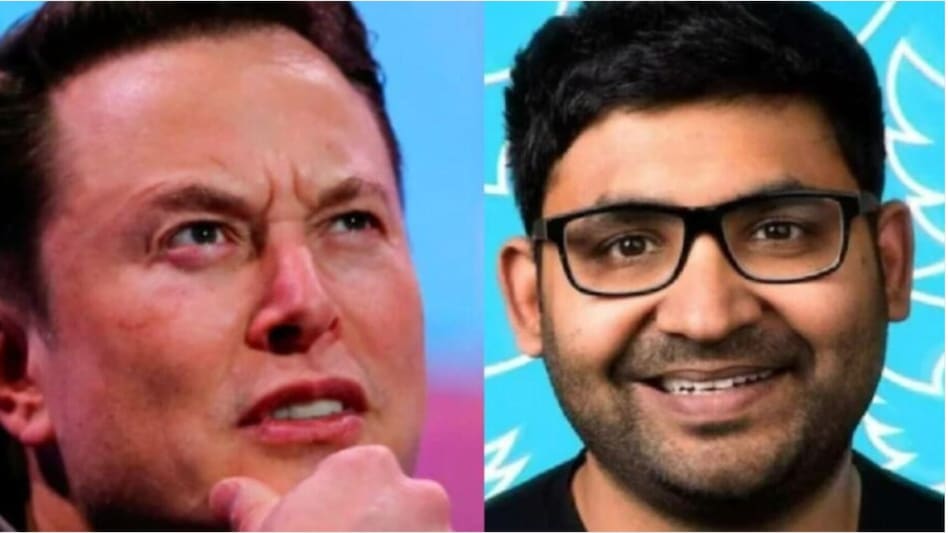
Unlock Your Jio SIM: Affordable Prepaid Plan for Minimal Users
If you're looking for an economical way to keep your Jio SIM active, Reliance Jio has a compelling prepaid option priced...
Business Today | Jul 16, 2026, 10:10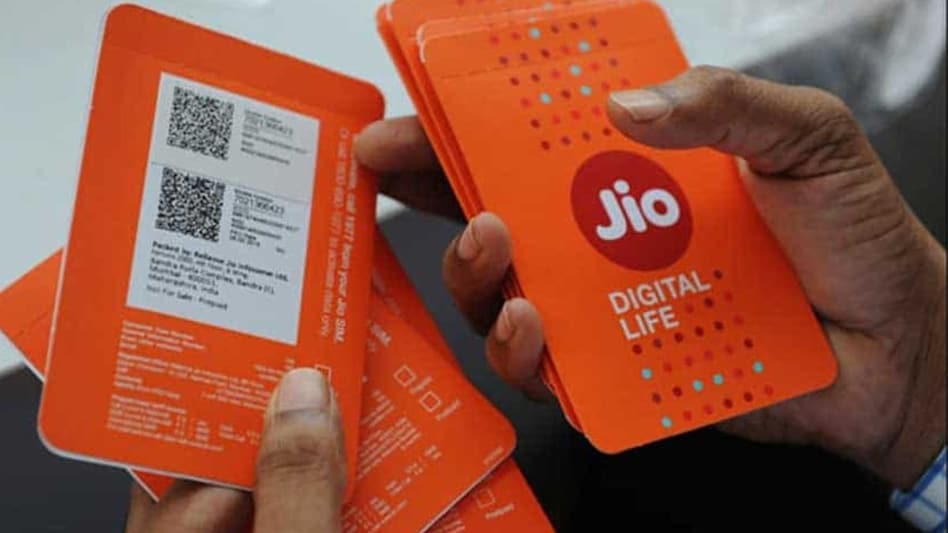
Harvey Expands Reach with Strategic Acquisition of Benchmark in Asset Management Software
In a move to solidify its presence on Wall Street, legal software powerhouse Harvey has made its third acquisition in ju...
Business Insider | Jul 16, 2026, 12:15