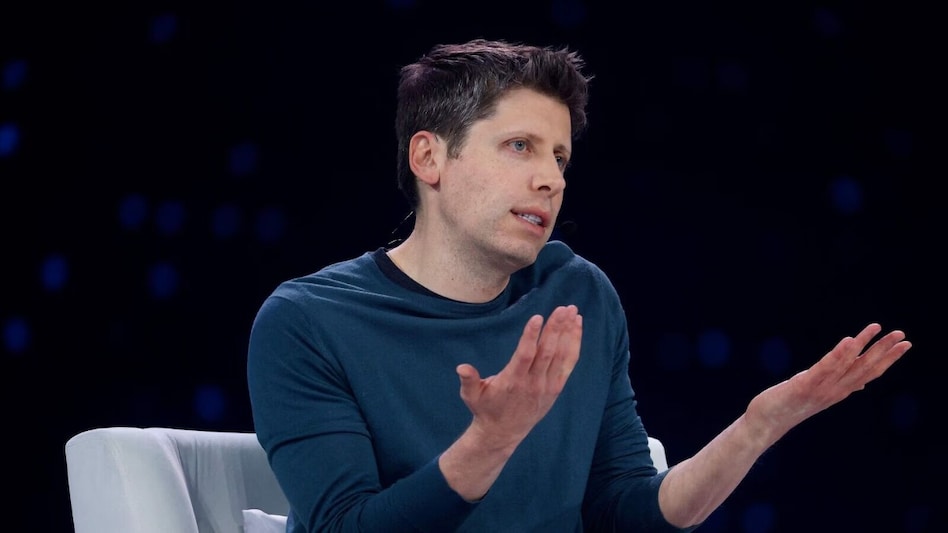
Sam Altman's outside bets raise fresh conflict questions as OpenAI nears IPO
As OpenAI approaches a staggering valuation of approximately $850 billion for its anticipated public offering, the spotlight is once again on CEO Sam Altman's external business interests and their potential conflicts with the company’s strategic decisions, according to a report by the Wall Street Journal. The scrutiny surrounding Altman isn’t new; it traces back to his brief removal in November 2023, when the board expressed concerns about his transparency regarding his investment portfolio. Directors were particularly worried about the minimal disclosure related to his various startups and whether these investments could pose conflicts with OpenAI’s operations. Some board members felt that without clearer insights into Altman’s personal financial engagements, it was difficult to evaluate how he might personally benefit from agreements made in the company’s name. Following this incident, OpenAI's board was restructured, introducing stricter conflict management policies and an audit committee, although the specifics of these measures were never disclosed to the public. As OpenAI continues to expand, concerns about Altman’s investment activities remain prevalent. He has amassed a significant portfolio during his tenure at Y Combinator, holding stakes in numerous startups, some of which have entered partnerships with OpenAI. This portfolio resembles that of a large venture capital firm. Interestingly, Altman does not own any direct equity in OpenAI and earned a modest salary of $66,000 in 2024, stating, "I'm doing this because I love it," during a Senate hearing in 2023. This setup complicates the tracking of his financial interests, particularly since many in similar positions in the tech industry typically have their wealth tied to the companies they manage. Altman’s external financial ties raise questions about whether decisions at OpenAI could inadvertently serve his personal financial interests. Recent discussions within OpenAI have further intensified these concerns. Altman had proposed that OpenAI participate in a significant funding round for Helion, a nuclear fusion startup where he has held shares since 2014. His proposal came as Helion struggled to meet previous commitments and faced financial difficulties. Altman suggested that OpenAI invest around $500 million in a funding round expected to total $1 billion, inflating Helion's valuation significantly and potentially boosting the value of Altman's stake. Despite being recused from the formal decision-making process regarding Helion, Altman's push for OpenAI's investment made some employees uncomfortable, especially as doubts about Helion's technological viability emerged. Ultimately, OpenAI chose not to invest in the funding round but did secure a separate agreement to purchase substantial power from Helion by 2035. Altman’s ambitions don’t stop at energy; he also explored a partnership with rocket manufacturer Stoke Space, suggesting that OpenAI could either acquire the company or take a controlling stake, which would have placed him in direct competition with industry giants like Elon Musk. This financial connection was previously undisclosed, raising further questions about conflicts of interest. Amid these challenges, OpenAI is grappling with fierce competition and internal pressures to recalibrate its focus. Recently, Fidji Simo, the company’s product executive, urged teams to concentrate on solutions tailored for enterprise users, especially in light of Anthropic’s rising success. Meanwhile, Altman remains dedicated to research and fundraising, with some stakeholders quietly questioning whether he is the right leader for OpenAI as it approaches its public listing. Despite these challenges, the support for Altman from both leadership and major investors remains strong, with board chair Bret Taylor affirming his confidence in Altman’s unique qualifications to guide the company’s future. However, some shareholders have begun to privately suggest that Taylor himself could be a suitable successor as the company navigates this critical transition.
Jim Cramer Stands Firm on Semiconductor Stocks Amid Market Turmoil
Despite recent turmoil in the semiconductor market, CNBC's Jim Cramer remains optimistic about the sector's future. On T...
CNBC | Oct 13, 2026, 22:25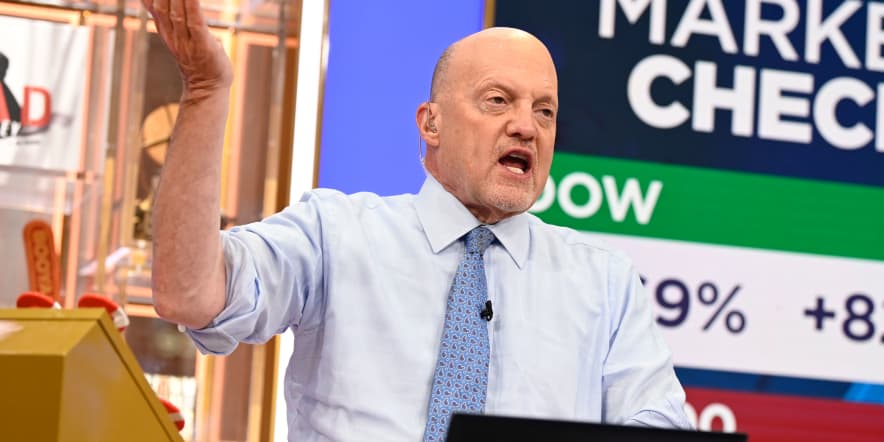
Court Grants Apple Swift Access to OpenAI Hiring Records Amid Trade Secrets Dispute
In a significant ruling, a judge has allowed Apple to quickly obtain OpenAI's hiring documentation as part of a trade se...
TechCrunch | Oct 13, 2026, 20:40
The Rise of AI Agents: Transforming the Indian IT Landscape
A new wave of automation is sweeping through the Indian IT sector, as advanced AI agents take on roles that were once th...
Business Today | Oct 14, 2026, 24:50
AI Investment on the Rise but Cost Challenges Loom for Businesses
Businesses are poised to increase their spending on artificial intelligence (AI), yet the escalating costs associated wi...
Business Today | Oct 13, 2026, 22:35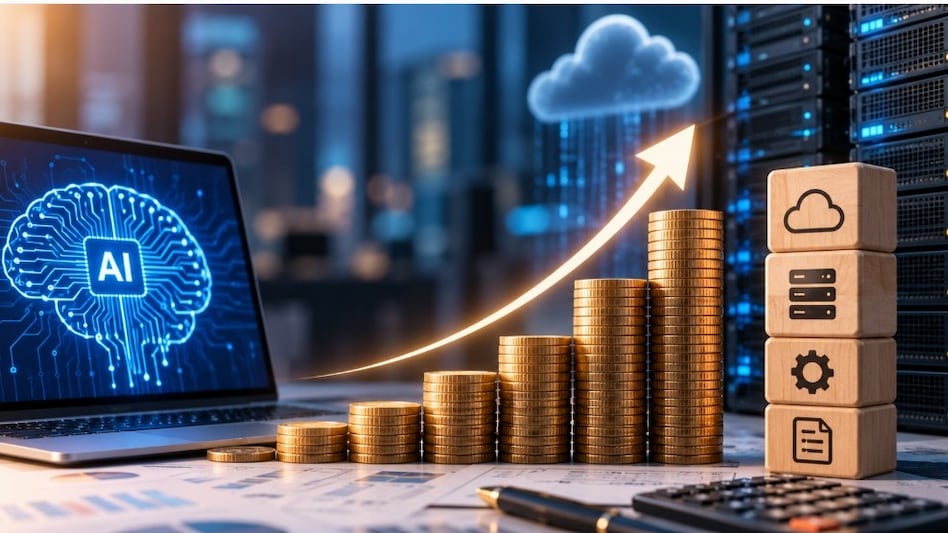
Hyderabad Police Warns of Dangerous WhatsApp Scam Targeting Bank Accounts
Hyderabad City Police Commissioner VC Sajjanar has issued a stark warning regarding a new WhatsApp scam that could resul...
Business Today | Oct 14, 2026, 24:45