Sam Altman has a proposition for startup founders: AI tokens for equity
In a groundbreaking move, Sam Altman, CEO of OpenAI, has introduced an innovative opportunity for startup founders participating in Y Combinator's current cohort. Instead of traditional funding routes, Altman proposes that these founders exchange equity for $2 million in OpenAI API tokens. This announcement has been described as a "mic drop moment" by YC general partner Tyler Bosmeny. Altman expressed his enthusiasm for the potential of tokenmaxxing startups, highlighting the internal dynamics and product developments that could emerge from this unique arrangement. This pilot program is set to be available for the spring and summer 2026 batches of the Y Combinator startup accelerator, according to sources familiar with the initiative. Startups that opt into this deal will enter into an uncapped Simple Agreement for Future Equity (SAFE) agreement. This means that the ownership stake OpenAI receives will be determined during a future financing round, rather than being established upfront. Notably, the SAFE agreement will not carry a Most Favored Nation (MFN) clause, implying that if a startup issues another SAFE with more favorable terms, OpenAI will not automatically benefit from those terms. This arrangement contrasts with Y Combinator's typical deal structure, which includes a $375,000 uncapped SAFE with an MFN provision. Founders in the accelerator often enjoy substantial token discounts, a perk that extends to YC partners as well. Despite the excitement surrounding this initiative, not everyone is convinced. Investor and co-host of "All-In," Jason Calacanis, cautioned founders to proceed with caution, suggesting that OpenAI might one day integrate a startup's concept into its own offerings. Responding to Calacanis, Roshan Kumaraswamy, founder of the YC-backed startup Apten, noted that many startups are already purchasing OpenAI tokens regardless. Altman's proposal signifies a shift in the landscape of startup funding, reflecting the transformative impact of AI on business economics. Tokens, which serve as a unit of measurement for computing resources, are becoming crucial for managing expenses related to AI operations, including running coding agents and processing chatbot interactions. The impetus for this shift is evident, with Y Combinator's Diana Hu recently advising founders to prioritize token expenditure over increasing headcount. Sam Altman, who has a rich history of supporting startups through Y Combinator, emphasized that this initiative will be executed through OpenAI rather than his personal capacity. This move could redefine how startups approach funding and resource allocation in an increasingly AI-driven world.
China's Kimi K3: A New Contender in the Global AI Race Sparks US Concerns
The tech world is buzzing once again as a new Chinese AI model, Kimi K3, developed by the startup Moonshot AI, challenge...
CNN | Jul 24, 2026, 02:05
Flipkart Enters the Food Delivery Arena, Challenging Major Competitors
Walmart's e-commerce powerhouse, Flipkart, is gearing up to launch its own food delivery platform, igniting competition ...
Business Today | Jul 24, 2026, 07:15
Revolutionizing Interaction: ChatGPT Desktop App Introduces Voice Control
OpenAI has unveiled an exciting update for its ChatGPT desktop application, introducing a voice control feature that ena...
TechCrunch | Jul 24, 2026, 14:00
Blinkit Rises to Challenge Amazon in E-Commerce Landscape
In an impressive leap forward, Blinkit has significantly increased its operational scale, with the cost to establish a s...
Business Today | Jul 24, 2026, 09:35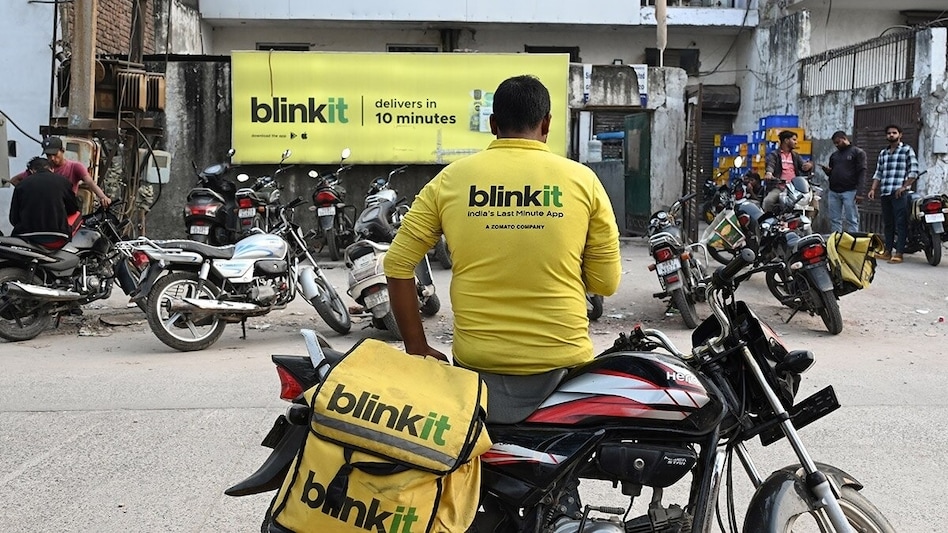
Global Leaders Unite to Promote Secure Open-Source AI at APEC Summit
In a significant development at the recent APEC summit in Chengdu, China, member nations, including the United States, e...
CNBC | Jul 24, 2026, 02:45