Sam Altman, over bread rolls, explores life after GPT-5
As I gaze at Alcatraz Island from a chic Mediterranean eatery in San Francisco, the atmosphere is infused with conversation among tech reporters. Suddenly, Sam Altman, the CEO of OpenAI, breezes in, holding his unprotected iPhone, which prompts a humorous remark about his choice of phone case. Altman's priorities are clear; he’s focused on the aesthetics of the device he’s developing with Apple's Jony Ive. "We’re going to create a device that is stunningly beautiful," he remarked, humorously adding a warning against covering it with a case. The dinner, attended by Altman and other OpenAI executives, was meant to discuss the future of the company in the wake of launching GPT-5. However, the evening raised more questions than it answered. For example, the presence of Nick Turley, the VP of ChatGPT, serving lamb skewers a week post-GPT-5’s launch hinted at an attempt to smooth over the model's lukewarm reception. Unlike its predecessor, GPT-4, which exceeded expectations, GPT-5 has been met with criticism for performing similarly to competing models from Google and Anthropic. Throughout the evening, it became apparent that OpenAI is shifting focus beyond mere AI model launches. Executives hinted that the significance of releasing new models has diminished compared to when GPT-4 debuted in 2023. OpenAI is now positioning itself as a disruptor in search, consumer hardware, and enterprise software. Altman shared insights on upcoming developments, including the appointment of Fidji Simo as the new CEO of applications. She is expected to oversee the launch of several consumer applications that OpenAI has yet to disclose, including a potential AI-powered browser to rival Chrome. Altman even mentioned the possibility of acquiring Chrome if it were to go on the market, suggesting a serious interest in expanding OpenAI’s portfolio. Moreover, Altman expressed interest in exploring AI-driven social media platforms, criticizing the current landscape as uninspiring and envisioning a more engaging AI-enhanced social experience. As the evening progressed, it was confirmed that OpenAI is looking to invest in Merge Labs, a brain-computer interface startup aimed at competing with Elon Musk's Neuralink, although the details of this partnership remain uncertain. With these ambitious plans, including investments in data centers and robotics, Altman appears to be steering OpenAI towards a future that resembles a larger entity akin to Alphabet, Google’s parent company. The expectation is that OpenAI may soon go public to support its extensive financial needs, as Altman seeks to redefine the company’s identity beyond just being known for its AI models.
Elon Musk's Ambitious Leap: Can Tesla's Optimus Robot Revolutionize Work and Life?
Elon Musk has transformed Tesla into a leading automotive giant, but now he is staking the company's future on a groundb...
Business Insider | Jul 24, 2026, 09:10Ashneer Grover Unveils Innovative Loan Guarantee Platform for Employees
Ashneer Grover, the former MD and co-founder of BharatPe, has made waves with the announcement of his new fintech initia...
Business Today | Jul 24, 2026, 05:55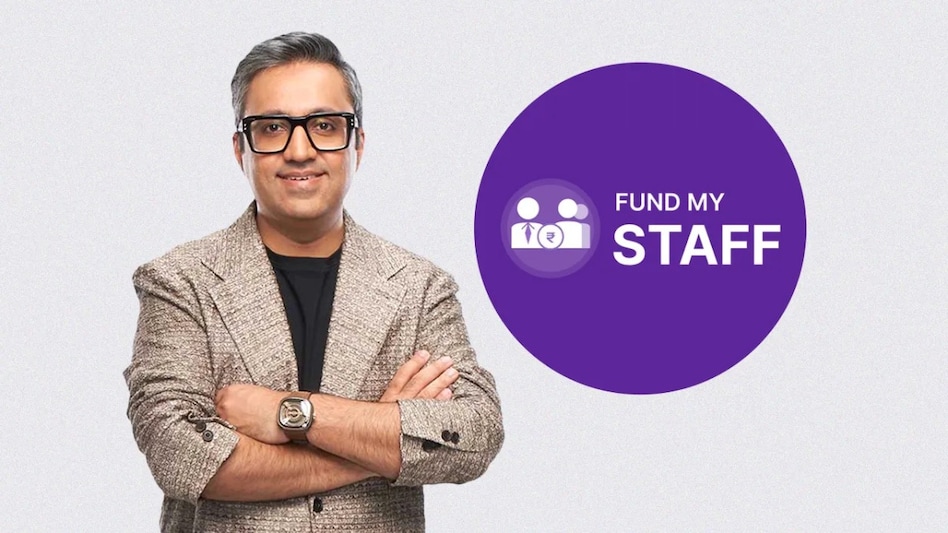
AI Guardrails: A Double-Edged Sword for Cybersecurity Researchers
In recent months, leading AI companies have implemented stringent regulations and vetted programs to curb potential misu...
TechCrunch | Jul 24, 2026, 01:15
China's Kimi K3: A New Contender in the Global AI Race Sparks US Concerns
The tech world is buzzing once again as a new Chinese AI model, Kimi K3, developed by the startup Moonshot AI, challenge...
CNN | Jul 24, 2026, 02:05
Why the iPhone 17 is the Smart Choice Ahead of the iPhone 18 Launch
As Apple gears up for the release of its latest iPhone models, including the iPhone 18 Pro and the first foldable varian...
Business Today | Jul 24, 2026, 09:35