'It takes a lot of energy to train a human too': OpenAI's Sam Altman counters AI power criticism
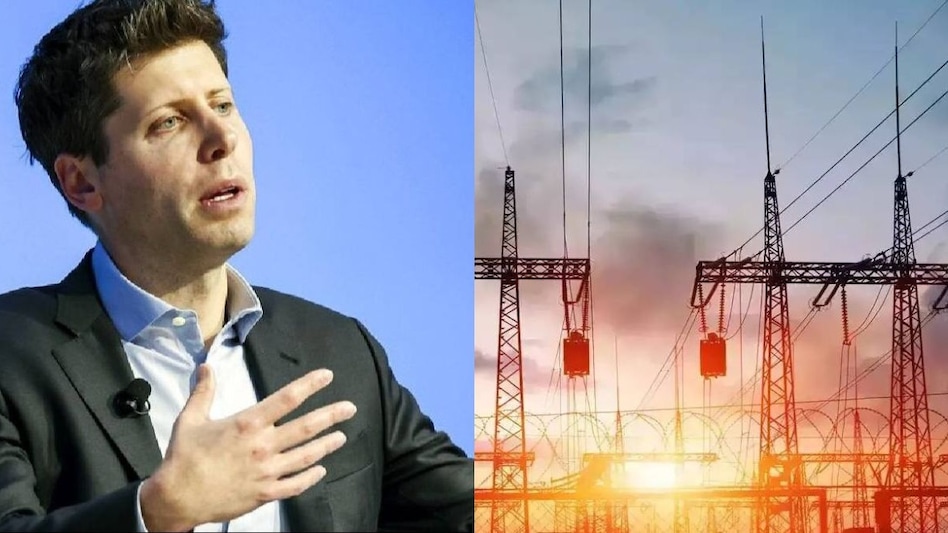
In a recent discussion, OpenAI's CEO Sam Altman addressed the rising concerns regarding the environmental footprint of artificial intelligence. He specifically refuted claims about the water and energy consumption associated with ChatGPT, particularly the assertion that each query uses 17 gallons of water. "That figure is entirely fabricated; it may have been accurate at one point when we relied on evaporative cooling in our data centers, but that is no longer the case," he explained in an interview with The Indian Express. Altman acknowledged the legitimacy of concerns surrounding energy consumption but emphasized that the figures often cited are exaggerated. "While we do need to discuss the overall energy use, it shouldn’t be assessed on a per-query basis. The reality is that the demand for AI is rising globally, and we must pivot towards sustainable energy sources like nuclear, wind, and solar as soon as possible," he asserted. The scrutiny of AI's environmental impact has intensified, especially following a United Nations report that predicted the global electricity demand could surge by over 10,000 terawatt-hours by 2035—equivalent to the total consumption of all advanced economies today. The International Energy Agency also reported a significant rise in data center energy demand, projecting that it could account for over 20% of electricity demand growth in advanced economies by 2030. In the U.S., AI-driven data processing is anticipated to surpass the energy consumption of industries such as aluminum, steel, cement, and chemicals by the end of the decade. Altman also challenged a claim made by Bill Gates, which suggested that a single ChatGPT query consumes the same amount of energy as charging an iPhone battery. "That is grossly overestimated; the actual energy use is significantly lower," he stated. Furthermore, Altman pointed out that the comparisons between AI's energy use and that of humans are often misleading. "People frequently discuss the energy required to train an AI model compared to the energy needed for a human to execute a single query," he said. "However, training a human also demands considerable energy over a lifetime—approximately 20 years filled with the nutrition necessary for development. Moreover, the evolution of countless generations has contributed to our capabilities today." He concluded that a more appropriate comparison would be between the energy required for a trained AI model to respond to a query versus that required for a trained human to perform the same task. "In that context, AI is likely already on par in terms of energy efficiency," he added.
AI Titans Face Irony of Their Own Making in Content Scraping Debate
In a striking twist of irony, major AI companies, including Anthropic, OpenAI, and Google, are now confronting a predica...
Business Insider | Jul 12, 2026, 14:15TCS Overhauls Leadership Structure to Embrace AI and Market Growth
Tata Consultancy Services (TCS) has announced a significant leadership restructuring aimed at enhancing its operations a...
Business Today | Jul 13, 2026, 05:15
OpenAI Faces Leadership Exodus in Safety Sector Amidst Strategic Overhaul
OpenAI is witnessing a significant shift in its safety leadership, as Johannes Heidecke, the head of its Safety Systems ...
Business Insider | Jul 12, 2026, 20:35Gadget Prices Surge Amid Memory Chip Shortage: What Consumers Should Know
If you're considering purchasing a new laptop, gaming console, or tablet, brace yourself for higher prices. The surge in...
CNN | Jul 13, 2026, 09:10
A Heated Exchange: Musk and Altman Clash Over OpenAI and Apple Lawsuit
In a recent exchange on the social media platform X, Elon Musk and Sam Altman engaged in a sharp verbal showdown, intens...
CNBC | Jul 12, 2026, 15:45